Eco Friendly Packaging Design: A Complete Modern Guide
Eco friendly packaging design has become a priority for brands that want to reduce waste, improve sustainability, and meet customer expectations. Today’s buyers care about how products impact the planet. This means your design choices can influence sales, brand image, and long-term customer loyalty. Understanding eco friendly packaging design helps you create solutions that are practical, affordable, and environmentally responsible.
In this guide, you’ll learn what makes packaging eco friendly, why sustainability matters, how to choose materials, and how to design packaging that protects your product and the environment. You’ll also see how smart choices reduce waste and build trust with your customers.
Understanding the Importance of Eco Friendly Packaging Design
Eco friendly packaging design focuses on reducing waste, lowering carbon emissions, and conserving natural resources. Brands that adopt sustainable packaging show responsibility and provide customers with packaging that is better for the environment. These designs help reduce pollution and improve recycling processes. They also support a healthier planet and better business practices.
Key Elements of Eco Friendly Packaging Design
Choosing Recyclable and Biodegradable Materials
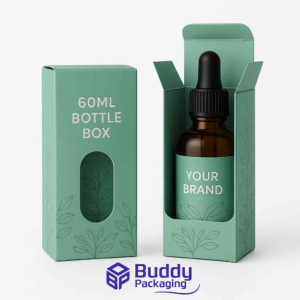
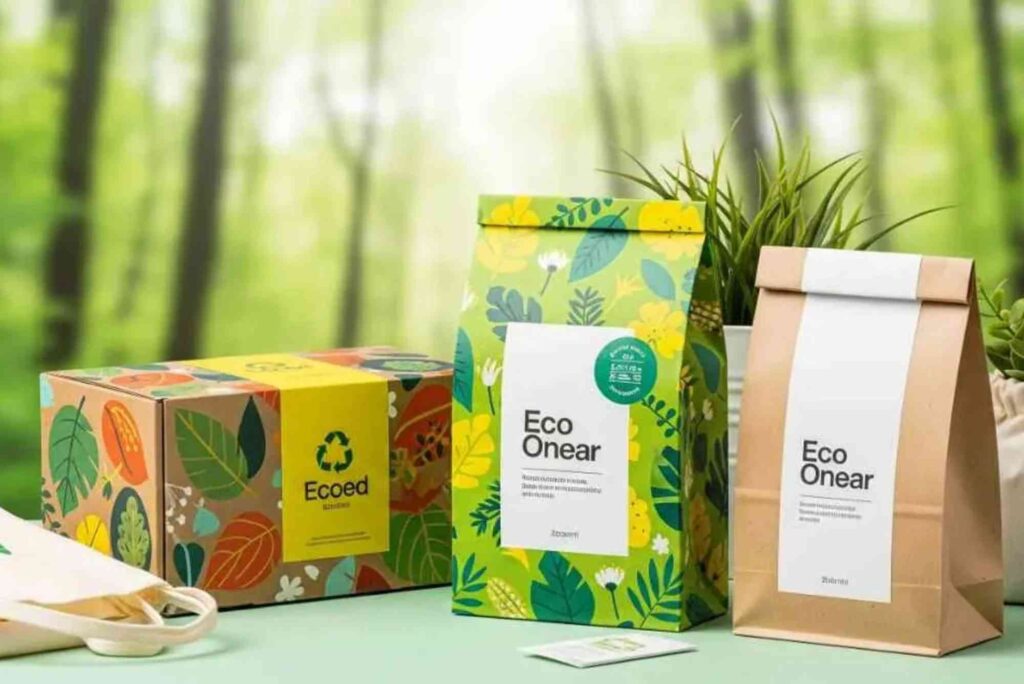
Eco friendly packaging design often starts with picking materials that return safely to the environment. Recyclable cardboard, kraft paper, and biodegradable films are strong options. These materials help brands cut down on long-lasting waste. Customers also feel good using packaging that breaks down naturally.
Designing for Minimal Waste
Smart design reduces the amount of material you use. Lighter materials and compact shapes use less energy during production and shipping. They also take up less space in landfills. Reducing waste in your design is both sustainable and cost-effective.
Ensuring Safe Product Protection
Eco friendly packaging design is not only about sustainability. It must also protect products during delivery. Strong biodegradable materials, clever folding systems, and reinforced edges ensure products stay safe without harming the environment.
Using Natural or Non-Toxic Printing
Inks and dyes can harm the environment. Designers use natural water-based inks to avoid pollution. These inks work well on paper packaging and reduce toxic waste during production.
Trends Shaping Eco Friendly Packaging Design
Compostable and Plant-Based Materials
Plant-based packaging is popular due to its fast decomposition and renewable sources. Cornstarch packing peanuts, mushroom packaging, and sugarcane fibers are gaining attention. These materials offer strength and sustainability.
Minimalist Branding and Clean Layouts
Brands adopt minimalist designs to reduce ink use and waste. Simple designs improve product clarity and support environmental goals. Clean visuals make packaging feel modern and responsible.
Smart Reusable Packaging
Reusable packaging adds long-term value. Some brands design boxes and bags customers can use again at home. Reusable ideas enhance brand image and reduce the need for new materials.
Flat-Pack Designs for Lower Carbon Emissions
Flat-pack packaging improves shipping efficiency. It reduces transport costs and lowers carbon emissions. This trend benefits both the planet and business operations.
Materials Commonly Used in Eco Friendly Packaging Design
Kraft and Recycled Paper
Kraft paper is strong and recyclable. Many eco friendly packaging design solutions rely on kraft because it’s easy to customise and environmentally safe.
Corrugated Cardboard
It offers durability and protection. Corrugated cardboard is recyclable and commonly used for shipping. Many brands prefer it for its strength and eco value.
Bioplastics
Made from natural materials, bioplastics break down faster than traditional plastics. They reduce pollution and support circular packaging systems.
Plant Fibers
Materials like bamboo, sugarcane, and wheat straw create strong molded packaging. These fibers are renewable and biodegradable, making them ideal for sustainable designs.
How Eco Friendly Packaging Design Helps Brands
Builds Trust and Customer Loyalty
People want brands that care about the planet. Eco friendly packaging design improves trust and shows real commitment to sustainability.
Supports Long-Term Cost Savings
Recyclable materials and efficient designs reduce long-term production and waste costs. Brands also save money on shipping when using lightweight packaging.
Strengthens Brand Identity
Eco friendly packaging communicates strong values. A sustainability-driven brand stands out and appeals to conscious buyers.
Helps Meet Environmental Regulations
Many countries enforce packaging waste rules. Eco friendly packaging design helps brands comply with laws and avoid penalties.
Practical Strategies to Improve Eco Friendly Packaging Design
Reduce Material Layers
Use fewer layers to cut down on waste. This helps reduce production time and cost.
Use Simple Shapes
Simple shapes help save material and improve packing efficiency. They also reduce the chance of damage.
Choose Printer-Friendly Materials
Some materials handle natural inks better. This reduces toxic waste from printing processes.
Encourage Customers to Reuse Packaging
Brands can print reuse instructions on packaging to encourage responsible behavior.
Real-World Examples of Eco Friendly Packaging Design
Many companies use creative sustainable designs. Some use recycled cardboard boxes and water-based ink. Others use plant-based wraps for food items. Some even create packaging that dissolves in water. These ideas show how innovation and eco friendly packaging design can combine naturally.
When to Use Custom Packaging in Eco Friendly Design
Brands often need tailored packaging for better sustainability. Custom Packaging helps businesses design solutions that fit products exactly, reducing wasted space. Custom options also allow better material choice and improved customer experience.
Learning More About Packaging Design
If you want inspiration or expert advice, professional designers share helpful insights online. You can study practical packaging design tips here.
Visiting physical packaging studios can help you understand sustainability better. You can also check the Buddy Packaging Location here.
FAQs
What makes packaging eco-friendly?
Eco friendly packaging uses recyclable, biodegradable, compostable, or reusable materials. It reduces pollution and conserves natural resources.
Why is eco friendly packaging design important?
It protects the environment and improves brand reputation. Customers prefer sustainable products and reward eco-conscious companies.
What is the most eco-friendly packaging material?
Recycled paper, kraft, cardboard, plant fibers, and compostable bioplastics are common eco friendly choices. They break down faster and create less waste.
How can small businesses use eco friendly packaging?
They can switch to recycled materials, reduce packaging size, print with natural inks, and use simple designs to cut waste.
Does eco friendly packaging cost more?
Some materials cost slightly more, but long-term savings from efficient design and reduced waste often balance the cost.
Eco friendly packaging design is a smart investment for modern brands. It improves sustainability, strengthens customer trust, and supports long-term business growth. With the right materials and design strategies, any brand can reduce waste and build a responsible identity. Sustainable design is not only good for the planet; it’s good for business too.