Introduction
Drinks branding and packaging design is more than just a way to wrap a bottle or can. It is one of the most powerful marketing tools in the beverage industry. Every sip starts with a visual impression, and for many consumers, the packaging is the first connection they make with a brand. The right design can set a product apart in crowded markets, influence buying decisions, and create lasting brand loyalty. Whether you are launching a new energy drink, a craft beer, or a line of health juices, understanding the principles of drinks branding and packaging design is essential to success.
Why Drinks Branding and Packaging Design Matters
Packaging in the drinks industry has always carried a dual role. On one hand, it protects the product from damage and contamination. On the other, it acts as the face of the brand on store shelves. Modern consumers are exposed to thousands of marketing messages every day, so they often make split-second choices based on packaging appeal. A drink with strong branding and thoughtful packaging design communicates quality, authenticity, and relevance before a consumer ever tastes it.
Emotional Connection through Branding
Good drinks branding and packaging design triggers an emotional response. Think about iconic soda bottles or unique craft beer labels. Consumers often associate these packages with memories, status, or lifestyle. When design evokes positive emotions, it strengthens the brand-consumer bond and makes repeat purchases more likely.
Differentiation in a Competitive Market
Beverage aisles are crowded with hundreds of options. Without strong branding and distinctive packaging design, a product can disappear in the noise. A clear visual identity helps a drink stand out, whether it is through bold typography, eco-friendly materials, or storytelling graphics that highlight its origin and purpose.
Key Elements of Drinks Branding and Packaging Design
Branding and packaging should work hand-in-hand. The design is not just an art form; it is a strategic process that combines creativity with psychology and market research. Several elements define the success of drinks branding and packaging design.
Typography and Logos
The logo is the cornerstone of beverage branding. Strong, legible typography ensures recognition and recall. For example, minimalist logos work well for premium water brands, while playful fonts might be better suited to fruity sodas. Typography communicates personality and instantly conveys the brand’s tone.
Colour Psychology
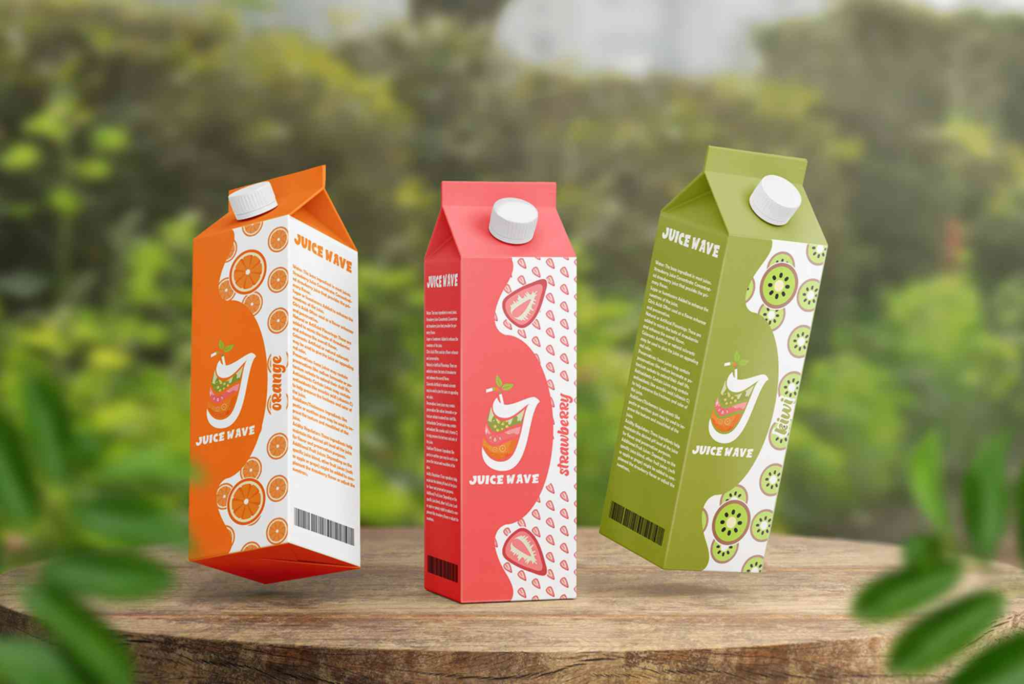
Colours influence consumer behavior more than many realize. Red and orange often suggest energy and excitement, which is why energy drink brands lean toward these shades. Green and blue are associated with freshness and health, making them ideal for organic juices or mineral water. Understanding colour psychology is critical when crafting drinks branding and packaging design.
Shape and Structure
The physical design of a bottle or can often speaks louder than the label. Unique shapes create iconic products. Consumers instantly recognize certain bottles just by silhouette. Functionality also matters; ergonomic designs improve usability, and sustainable materials appeal to eco-conscious buyers.
Storytelling with Visuals
Great drinks branding and packaging design tells a story. Illustrations of natural landscapes on juice packaging or vintage-style graphics on beer cans communicate values beyond the drink itself. Storytelling builds trust and connects the consumer with the brand’s journey.
Trends in Drinks Branding and Packaging Design
The beverage industry evolves constantly, and packaging trends change to reflect consumer expectations, sustainability concerns, and technological advancements.
Minimalist Aesthetics
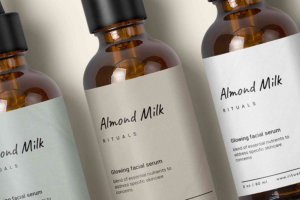
Clean, simple designs are dominating modern packaging. Consumers are drawn to honesty and transparency, so minimal labels with fewer words and bold clarity have strong appeal. This style aligns particularly well with premium and health-focused drinks.
Sustainability and Eco-Friendly Packaging
Eco-conscious packaging is no longer optional; it is expected. Many beverage companies are switching to biodegradable materials, recycled plastics, or lightweight cans to reduce environmental impact. Drinks branding that highlights sustainability not only meets consumer expectations but also builds trust.
Smart Packaging
Technology is entering packaging design with QR codes, NFC tags, and augmented reality. These innovations offer interactive experiences, such as scanning a can to learn more about sourcing, sustainability, or pairing suggestions. Smart packaging strengthens consumer engagement beyond the purchase.
Custom Packaging for Limited Editions
Limited edition releases are a growing trend, especially in craft beverages. Seasonal designs or collaborations with artists create excitement and encourage collectors. Brands use Custom Packaging to deliver unique experiences that spark curiosity and loyalty.
Packaging Design Inspiration
When brands need fresh ideas, they often look to global success stories for packaging design inspiration. Some of the most effective packaging strategies come from observing how different cultures celebrate design. Japanese minimalism, Scandinavian simplicity, and bold American craft beer labels all offer creative lessons. Inspiration can also come from nature, architecture, and fashion, leading to beverage packaging that feels timeless yet contemporary.
Challenges in Drinks Branding and Packaging Design
Designing for the drinks industry comes with unique challenges. Packaging must balance beauty with functionality. A visually stunning bottle that is too fragile or hard to open will disappoint consumers. Legal requirements, such as labeling nutritional information, can also restrict design creativity. Additionally, global brands must navigate cultural differences, ensuring packaging resonates in multiple regions without losing identity.
Best Practices for Successful Drinks Branding and Packaging Design
Brands that succeed in the beverage market often follow best practices that balance creativity with strategy. Consistency across touchpoints is critical. The design should carry through from bottles and cans to advertising, social media, and even delivery boxes. Testing designs before launching is equally important. Focus groups and digital mock-ups reveal how consumers perceive packaging in real shopping environments. Finally, aligning packaging with brand values ensures long-term loyalty. For example, a brand promoting wellness must avoid overly flashy designs that conflict with its health-focused message.
FAQs
What makes good drink packaging design?
Good drink packaging is attractive, functional, and aligned with brand values. It communicates quality and creates instant recognition.
How important is sustainability in beverage packaging?
Sustainability is critical. Many consumers choose drinks based on eco-friendly packaging. It builds trust and aligns with global environmental goals.
How do colours affect beverage branding?
Colours trigger emotions. Warm tones attract energy-driven audiences, while cooler shades suggest purity and health. Strategic use of colour drives purchase decisions.
What is the role of storytelling in drink packaging?
Storytelling adds depth. It shows authenticity and helps consumers connect with the brand’s heritage, process, or vision.
Can custom packaging increase sales?
Yes, custom packaging helps brands stand out, creates memorable experiences, and often leads to higher perceived value.
Turning Packaging into Brand Power
Drinks branding and packaging design is more than aesthetics. It is the first handshake between a beverage and its consumer. By blending creativity, psychology, and strategy, brands can capture attention, build emotional connections, and inspire loyalty. With trends like sustainability, smart packaging, and storytelling shaping the industry, companies that invest in thoughtful design gain a competitive edge. If you are ready to elevate your beverage business, start by refining your packaging. It may be the single most powerful tool you have to win over consumers and make your brand unforgettable.