Introduction
Digital printing designs on fabrics have transformed the textile and fashion industries over the past decade. Designers, manufacturers, and small clothing brands now rely on digital technology to create vibrant patterns, detailed artwork, and customized textiles with remarkable accuracy. Unlike traditional printing methods, digital printing allows fabric designs to be produced directly from a computer file, enabling limitless creativity and faster production cycles.
In modern textile production, digital printing designs on fabrics provide unmatched colours precision, intricate detailing, and sustainable manufacturing practices. From fashion garments to home décor textiles, this innovative process allows designers to turn digital artwork into stunning printed fabrics within hours rather than weeks.
As the demand for personalised and high-quality textiles continues to rise, digital printing technology is becoming essential for brands that want to stay competitive. Understanding how this process works, its advantages, and its role in the future of textiles can help designers and businesses unlock new creative opportunities.
Understanding Digital Printing Designs on Fabrics
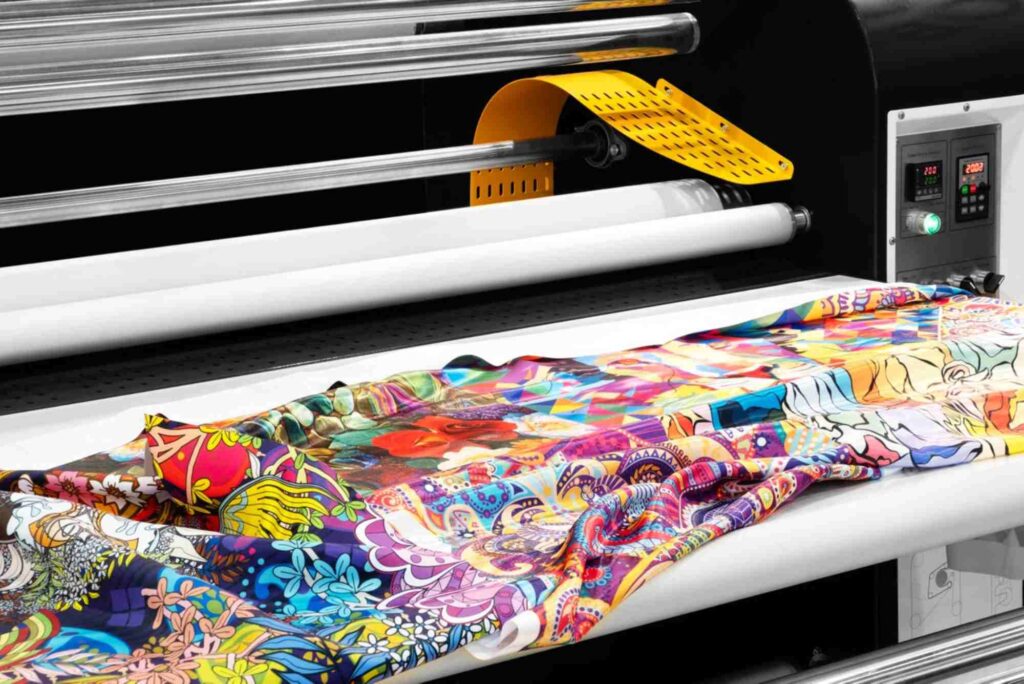
Digital printing designs on fabrics refer to the process of transferring digital images directly onto textile materials using specialised inkjet printers. Instead of using screens or plates, the design file is sent directly to the printer, which applies colours pigments onto the fabric surface with precise control.
This process works similarly to printing a photo on paper, but it uses textile-specific inks and pre-treated fabrics. As a result, designers can print highly detailed images, gradient colours, and complex patterns that would be difficult to achieve through traditional textile printing methods.
One of the most appealing aspects of digital printing designs on fabrics is its flexibility. Designers can easily modify colours, scale patterns, or experiment with multiple variations without creating new screens or plates. This makes the process ideal for modern fashion brands that frequently update their collections.
Moreover, digital printing technology supports a wide range of fabrics including cotton, silk, polyester, linen, and blended textiles. Each material interacts differently with the ink, allowing designers to achieve unique textures and finishes.
The Evolution of Fabric Printing Technology
Fabric printing has existed for centuries, but early methods were time-consuming and labour intensive. Techniques such as block printing and screen printing required physical templates and manual processes. While these methods created beautiful designs, they often limited the complexity and colours range of patterns.
The arrival of digital printing designs on fabrics marked a major turning point in textile production. Computer-controlled printers replaced manual processes, allowing designers to reproduce highly detailed artwork on fabric surfaces. This innovation dramatically reduced production time and expanded design possibilities.
Digital technology also eliminated many of the technical barriers that once restricted textile creativity. Designers no longer need to simplify patterns for screen printing or reduce colours layers. Instead, digital printing allows unlimited colours combinations and photographic detail.
Today, digital textile printing continues to evolve with faster machines, improved inks, and sustainable production methods. These advancements make digital printing designs on fabrics more accessible for businesses of all sizes.
Why Designers Prefer Digital Printing Designs on Fabrics
Modern designers favour digital printing designs on fabrics because the technology offers exceptional creative freedom. Traditional textile printing often restricts colours usage and pattern complexity, whereas digital printing removes many of these limitations.
Digital printers can reproduce intricate illustrations, delicate textures, and realistic images with impressive clarity. Designers can experiment with unique artistic styles, including watercolours effects, abstract patterns, and photographic prints. This flexibility allows fashion brands to develop distinctive collections that stand out in competitive markets.
Another key advantage is rapid prototyping. Designers can quickly print small samples before final production, ensuring the colours and patterns appear exactly as intended. This reduces costly mistakes and improves design accuracy.
Digital printing also supports personalised textile production. Businesses can easily create customized fabrics for individual customers, making the technology ideal for niche fashion labels and independent designers.
Sustainability Benefits of Digital Textile Printing
Sustainability has become a central concern in the fashion industry, and digital printing designs on fabrics offer several environmental advantages compared with traditional printing methods.
Traditional screen printing often requires large quantities of water and chemical dyes. It also produces significant waste due to leftover inks and unused screens. In contrast, digital printing uses precise ink application, reducing material waste and water consumption.
Many modern digital textile printers also use eco-friendly inks that are less harmful to the environment. This makes digital printing designs on fabrics a more sustainable option for brands aiming to reduce their environmental footprint.
Furthermore, digital printing allows on-demand production. Instead of manufacturing large volumes of fabric in advance, businesses can print only what they need. This approach reduces overproduction, one of the biggest environmental challenges in the fashion industry.
According to the textile research published by the <a href=”https://www.textileworld.com” target=”_blank”>Textile World</a>, digital textile printing continues to gain popularity due to its efficiency and sustainability benefits.
Applications of Digital Printing Designs on Fabrics
Digital printing designs on fabrics are used across multiple industries beyond fashion. In the clothing sector, designers use the technology to produce unique garments, limited collections, and custom patterns.
Home décor is another area where digital textile printing thrives. Interior designers frequently use digitally printed fabrics for curtains, upholstery, bedding, and decorative cushions. These products often require detailed patterns that are easier to achieve through digital printing.
The technology is also popular in promotional products and branding materials. Businesses can print logos, artwork, and marketing designs directly onto fabric banners, tote bags, and event textiles.
Companies working with Custom Packaging solutions often combine digital fabric printing with packaging design to create consistent brand visuals. This integration helps brands maintain a strong identity across textiles, packaging, and promotional materials.
Creative professionals also explore packaging design inspiration platforms to discover artistic trends that influence modern textile prints.
How Digital Printing Supports Small Fashion Brands
Small fashion brands face numerous challenges when entering the competitive clothing market. Traditional fabric printing methods often require large minimum orders, which can be financially risky for new designers.
Digital printing designs on fabrics solve this problem by enabling small-batch production. Designers can produce limited quantities without investing in expensive printing screens or large fabric runs.
This flexibility allows emerging brands to test new designs and respond quickly to market trends. If a particular pattern becomes popular, they can easily scale production. If not, they can move on to new concepts without major losses.
Digital printing also supports independent designers who sell custom clothing online. Many small brands now offer personalised garments where customers can choose colours, patterns, or artwork.
Businesses located near Buddy Packaging Location and other creative hubs often collaborate with local designers who rely on digital textile printing for custom product development.
Challenges of Digital Printing on Fabrics
Although digital printing designs on fabrics provide many advantages, the technology also presents certain challenges. One of the most common issues involves colours consistency across different fabric types. Since fabrics absorb ink differently, achieving identical colours on cotton, silk, and polyester may require careful calibration.
Another challenge relates to production speed for very large orders. Traditional rotary printing may still be more efficient for mass production of simple patterns. However, digital printing continues to improve with faster machines and larger printing capabilities.
The initial investment in digital textile printers can also be high. Despite this cost, many manufacturers consider it worthwhile due to the long-term benefits of flexibility, reduced waste, and design freedom.
Future Trends in Digital Printing Designs on Fabrics
The future of digital printing designs on fabrics looks extremely promising. As technology evolves, printers are becoming faster, more precise, and more environmentally friendly.
Artificial intelligence is beginning to influence textile design by generating complex patterns and colours combinations. Designers can use AI-assisted software to create unique fabric designs that would be difficult to develop manually.
Another emerging trend involves smart textiles. Researchers are experimenting with digitally printed conductive inks that allow fabrics to interact with electronic devices. This innovation could transform wearable technology in the coming years.
Sustainable inks, biodegradable fabrics, and energy-efficient printing machines are also shaping the future of digital textile production. These developments will help the fashion industry move toward more responsible manufacturing practices.
Frequently Asked Questions
What is digital printing on fabric?
Digital printing on fabric is a method where digital artwork is printed directly onto textile materials using specialised inkjet printers and textile inks.
What fabrics can be used for digital textile printing?
Digital printing designs on fabrics can be applied to cotton, silk, polyester, linen, and various blended textiles depending on the printer and ink type.
Is digital fabric printing environmentally friendly?
Yes, digital textile printing generally uses less water, fewer chemicals, and produces less waste than traditional printing methods.
How long does digital fabric printing last?
When properly processed and washed according to care instructions, digitally printed fabrics can maintain colours quality for many years.
Is digital printing suitable for small fashion brands?
Yes, digital printing designs on fabrics are ideal for small brands because they allow low-volume production and rapid design changes.
Digital printing designs on fabrics have revolutionised the textile industry by combining creativity, efficiency, and sustainability. Designers can now produce detailed artwork, vibrant patterns, and personalised textiles with unprecedented precision. This technology removes many of the limitations associated with traditional printing methods while enabling faster production cycles.