
Digital Printing Design Course: Complete UK Guide for 2026
The demand for creative professionals in print media continues to grow across the UK. Businesses need high-quality visuals for branding, marketing, and product presentation. A digital printing design course equips learners with the skills required to create professional designs ready for commercial printing. Whether you want to work in packaging, advertising, or freelance design, this qualification can open many doors.
In today’s competitive market, digital printing is no longer limited to basic posters and leaflets. It now includes advanced packaging concepts, textile printing, label production, and large-format displays. Therefore, choosing the right digital printing design course can shape your entire creative career.
What Is a Digital Printing Design Course?
A digital printing design course is a specialised training programme that teaches students how to create artwork specifically for digital print production. Unlike general graphic design programmes, this course focuses on print-ready design, colour accuracy, file preparation, and printing technologies.
Students learn how digital printers operate, how different substrates affect design output, and how to prepare files for commercial production. In addition, the course usually includes practical projects to simulate real-world printing jobs.
Because digital printing differs from traditional offset printing, understanding resolution, bleed, colour profiles, and finishing techniques is essential. A well-structured digital printing design course ensures students gain hands-on experience rather than just theoretical knowledge.
Why Choose a Digital Printing Design Course in the UK?
The UK has a thriving creative industry. From London agencies to regional print studios, there is consistent demand for skilled designers who understand digital print processes. A digital printing design course in the UK offers access to industry-standard software, equipment, and real-world case studies.
Moreover, the UK packaging and print market continues to evolve. Businesses increasingly require sustainable packaging, personalised labels, and short-run digital prints. This shift creates new career opportunities for trained professionals.
Another advantage is networking. Many UK-based courses collaborate with print companies, allowing students to build connections early in their careers. This practical exposure significantly improves employability.
Core Skills Taught in a Digital Printing Design Course
A professional digital printing design course covers several technical and creative skills.
Graphic Design Software Mastery
Students learn industry tools such as Adobe Illustrator, Photoshop, and InDesign. These tools are essential for layout creation, vector artwork, and print file preparation. Practical assignments ensure learners understand how to export files correctly for digital printers.
Colour Management and Print Accuracy
One of the most critical elements of digital printing is colour accuracy. Students learn the difference between RGB and CMYK. They also understand ICC profiles and calibration techniques. This knowledge prevents costly printing errors.
File Preparation and Pre-Press Techniques
A digital printing design course teaches proper bleed settings, crop marks, and resolution standards. Pre-press preparation ensures that designs print exactly as intended. Students also learn about file formats suitable for different printing machines.
Packaging and Label Design
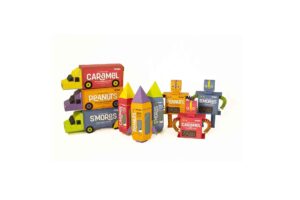
Packaging plays a major role in branding. Many courses now include modules on Custom Packaging and label design for retail products. Understanding dielines and packaging templates is crucial for commercial projects. For real-world examples of Custom Packaging, you can explore .
Large Format and Textile Printing
Large banners, exhibition stands, and fabric prints require different design approaches. Students learn scaling techniques and material considerations. This expands career opportunities beyond standard paper printing.
Who Should Enrol in a Digital Printing Design Course?
A digital printing design course is suitable for beginners and experienced designers alike. School leavers interested in creative careers can start with foundation courses. Meanwhile, graphic designers seeking to specialise in print production can enrol in advanced programmes.
Entrepreneurs also benefit from understanding digital printing. If you run a small brand or online store, knowing how to prepare print-ready packaging and marketing materials can reduce production costs.
Additionally, marketing professionals who frequently work with print suppliers find this course valuable. It improves communication with printers and reduces mistakes in production.
Course Duration and Study Options
Digital printing design course programmes vary in length. Short certification courses may last three to six months. Diploma programmes can run for one year. Some institutions also offer part-time evening classes for working professionals.
Online learning options have expanded in recent years. However, practical access to printing equipment is still highly beneficial. Therefore, blended learning models combining online theory with on-site workshops are often ideal.
When selecting a digital printing design course, review the curriculum carefully. Ensure it includes real-world projects and industry-relevant assignments.
Career Opportunities After Completing a Digital Printing Design Course
Completing a digital printing design course opens multiple career paths. Graduates often work as print designers in commercial print studios. Others join packaging firms, advertising agencies, or in-house marketing teams. Many professionals specialise in packaging design. Brands require creative and technically accurate packaging artwork. For packaging design inspiration, students can study global examples at .
Freelancing is another strong option. Small businesses frequently outsource label design, sticker production, and promotional materials. With digital printing becoming more accessible, freelance designers can build profitable careers. Some graduates even start their own print businesses. By combining design expertise with printing knowledge, they can manage complete production workflows.
Industry Relevance and Market Demand
Digital printing has grown significantly due to faster turnaround times and lower setup costs. Unlike traditional methods, digital printing allows short-run customisation. This makes it ideal for personalised marketing materials and limited-edition packaging.
In the UK, sectors such as retail, food and beverage, cosmetics, and events depend heavily on digital print solutions. Therefore, a digital printing design course prepares students for real market demands. Moreover, sustainability is shaping the future of printing. Many courses now include eco-friendly materials and sustainable design practices. Understanding recyclable substrates and minimal ink usage is becoming essential.
What to Look for When Choosing a Digital Printing Design Course
Choosing the right digital printing design course requires careful research. First, check whether the curriculum aligns with industry standards. Ensure it covers colour management, packaging design, and print production workflows.
Second, review the instructor’s background. Tutors with professional print industry experience provide practical insights. This supports Google’s E-E-A-T principles by emphasising expertise and real-world knowledge.
Third, explore student portfolios and alumni success stories. Strong graduate outcomes indicate course quality. Finally, consider location and accessibility. If you are near Buddy Packaging Location, you can explore to understand local industry presence and potential networking opportunities.
How a Digital Printing Design Course Improves Employability
Employers prefer candidates who understand technical printing processes. A digital printing design course demonstrates practical capability rather than just creative talent.
Students graduate with portfolios containing real-world print projects. These portfolios showcase technical accuracy and creativity. Employers value candidates who can design files that require minimal corrections before printing. Furthermore, understanding packaging production workflows reduces costly errors. Companies save time and money when designers submit correct files.
Cost and Return on Investment
Course fees vary depending on institution and duration. Short courses are more affordable, while diploma programmes may require larger investment.
However, the return on investment is often significant. Skilled print designers command competitive salaries in the UK. Freelancers can also scale income based on project volume. Investing in a digital printing design course enhances long-term earning potential. It also provides flexibility to work across different industries.
Start Your Digital Printing Design Course Today
The creative industry in the UK continues to evolve rapidly. Businesses demand visually compelling and technically accurate print designs. A digital printing design course provides the precise skills required to succeed in this competitive field.
From mastering colour management to creating Custom Packaging artwork, students gain practical expertise. Moreover, understanding real-world print workflows improves career prospects significantly.
Discover high-quality textile branding solutions with custom design fabric printing tailored to your business or personal needs. From promotional banners to personalised packaging wraps, professional fabric printing ensures vibrant colours, durable materials, and a premium finish. Whether you’re launching a brand or enhancing product presentation, explore reliable services that deliver precision and creativity across the UK.
Frequently Asked Questions
What qualifications do I need for a digital printing design course?
Most beginner-level courses require basic GCSE qualifications. Advanced diplomas may require prior graphic design knowledge. However, many institutions accept passionate learners with creative portfolios.
How long does a digital printing design course take?
Short certificate courses may take three to six months. Comprehensive diploma programmes can last up to one year. Part-time options extend duration but offer flexibility.
Is digital printing design a good career in the UK?
Yes, digital printing remains in high demand. Retail, packaging, and marketing industries rely heavily on print design. Skilled professionals enjoy stable job prospects.
Can I study digital printing design online?
Yes, many providers offer online modules. However, practical workshops enhance understanding of print equipment and materials.
What software is used in a digital printing design course?
Most courses focus on Adobe Illustrator, Photoshop, and InDesign. Some programmes also include CorelDRAW and RIP software training.