Introduction
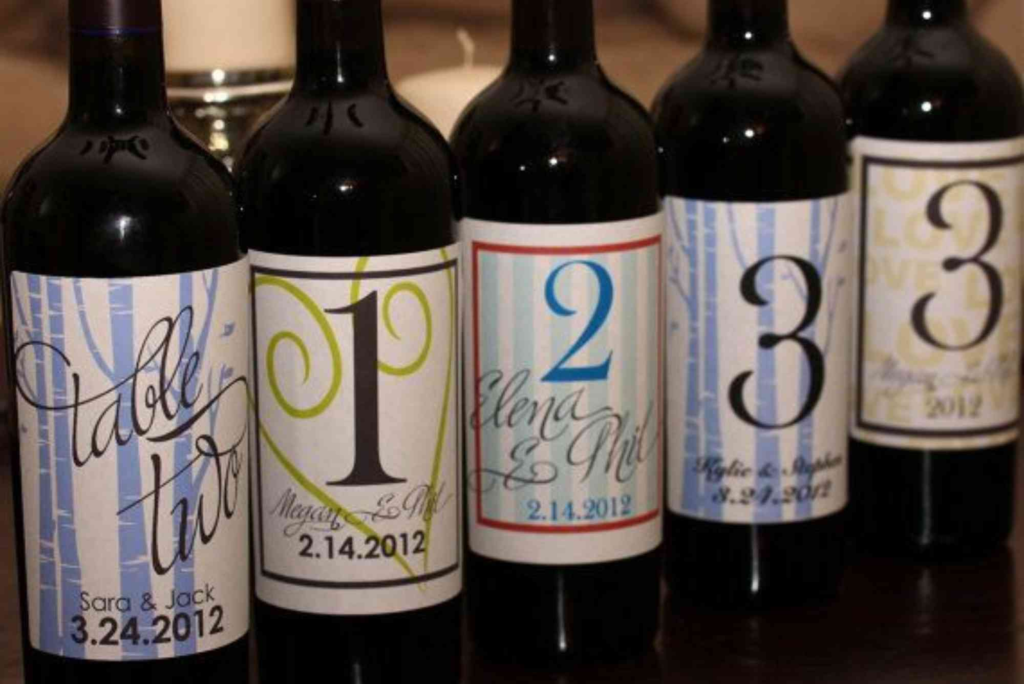
When you design custom wine labels, you are doing more than decorating a bottle. A label tells your brand story, conveys quality, and influences buying decisions. Research shows that wine shoppers often choose based on the label design before they even taste the product. This makes thoughtful design a crucial investment for wineries, boutique vineyards, and even special events like weddings. Whether you are creating labels for retail shelves or for a private celebration, the right design elevates your wine and leaves a lasting impression.
Why Designing Custom Wine Labels Matters
Custom wine labels play a dual role: they attract buyers and build trust. In competitive markets, a striking label can set you apart. Wine enthusiasts often associate sophisticated or creative labels with superior quality. Labels also provide key information—such as grape variety, region, and vintage—while reflecting your brand personality.
When you design custom wine labels with intention, you align aesthetics with marketing. A bold design can appeal to adventurous drinkers, while an elegant, minimalist style may attract traditionalists. This blend of art and strategy makes wine label design as critical as the wine itself.
Key Elements of Effective Custom Wine Label Design
Branding Consistency
Your label should match your overall brand identity. A modern winery might choose sleek fonts and minimalist graphics, while a family-owned vineyard could highlight heritage with hand-drawn illustrations. Consistency across your packaging reinforces recognition and loyalty.
Typography and Readability
Fonts do more than convey words—they express mood. Serif fonts suggest tradition and authority, while sans-serif fonts communicate modernity. Always ensure that essential details, like grape variety and alcohol content, remain easy to read.
Color Psychology
Color can influence emotions and buying decisions. Deep reds or golds suggest luxury, while soft pastels can evoke freshness. Align your palette with your target audience and brand story.
Imagery and Illustrations
Strong visuals capture attention from a distance. Many wineries use imagery tied to their vineyard location, such as mountains, rivers, or wildlife. A unique illustration can also become a signature feature customers instantly recognize.
Printing and Finishing Techniques That Make Labels Shine
Design is just the first step. Printing and finishing transform an idea into a tactile experience. Embossing adds texture, while foil stamping communicates premium quality. Matte finishes can give labels a sophisticated feel, while glossy coatings make colors pop.
If you want deeper insights into production trends and technology, exploring print & finishing insights will keep you updated with industry expertise. The right finishing choice ensures your label reflects the quality of the wine inside.
Legal and Informational Requirements
Wine labels must balance creativity with compliance. Depending on your region, regulatory bodies may require specific details such as alcohol percentage, origin, and health warnings. In the U.S., the Alcohol and Tobacco Tax and Trade Bureau (TTB) sets these standards, while the EU enforces its own strict rules. A professional designer ensures that your label looks beautiful while meeting all legal requirements.
How to Start Designing Custom Wine Labels
The process begins with research and inspiration. Visit local wine shops, browse design galleries, and study trends in packaging. Create a mood board to define your vision. Once you know your brand personality, work with a professional designer or design software to bring it to life.
For wineries operating in competitive urban hubs, such as the vibrant community around Orange Theory in Mountain View, creative branding can help local wines resonate with modern audiences. Highlighting local landmarks, culture, or personal heritage on the label makes the wine more relatable and memorable.
Common Mistakes to Avoid
Many first-time designers overcrowd their labels with text and graphics. Simplicity is often more powerful. Another mistake is ignoring printing limitations, which can distort colors or textures. Always consult with a trusted printing partner before finalizing your design. Working with providers such as Custom Labels services ensures your designs transition smoothly from digital concept to physical product.
The Role of Storytelling in Wine Labels
Great labels don’t just show—they tell. A short story about your vineyard’s history, Buddy Packaging Location your family tradition, or even the inspiration behind the wine can transform a purchase into an emotional experience. Consumers love to feel connected to what they drink, and storytelling bridges that gap.
FAQs on Designing Custom Wine Labels
What should be included on a custom wine label?
A wine label should include brand name, varietal, vintage, alcohol content, origin, and required health warnings. Adding unique visuals or stories enhances appeal.
How much does it cost to design custom wine labels?
Costs vary widely. DIY designs may cost little, while professional design services with premium finishes can range from a few hundred to thousands of dollars.
Can I print wine labels at home?
Yes, you can use label sheets and home printers for small batches. However, for professional results, commercial printing is highly recommended.
What size should a wine label be?
Standard wine labels measure around 3.5 x 4 inches, but size can vary based on bottle shape. Always test your design with a physical mock-up.
Do wine labels need government approval?
In many countries, yes. In the U.S., the TTB requires label approval before wine can be sold. Check your local regulations before printing.
Your Wine Deserves a Label as Unique as Its Taste
To design custom wine labels is to tell your story through art, typography, and finishing touches. A great label doesn’t just decorate a bottle—it creates a connection with buyers, builds trust, and differentiates your brand. Whether you’re preparing for mass retail or a special event, investing in thoughtful design pays dividends in recognition and sales.