Design And Print Logo: The Complete Expert Guide
Creating a memorable visual identity begins with the ability to design and print logo elements that truly represent your brand. Whether you’re launching a new business or refreshing an existing one, a strong logo serves as the first impression for customers. In this detailed guide, you’ll learn how to approach logo design, mastering the entire process from initial concept to final print-ready file.
A thoughtfully designed and printed logo helps your brand appear professional, trustworthy, and memorable. From choosing the right type of logo to understanding colour theory and print techniques.
Introduction to Logo Design and Printing
Your logo is more than just an icon or typeface; it’s a symbol that communicates your brand’s personality, values, and promise. The journey to create an effective logo begins with design thinking and ends with accurate printing. Throughout this guide, we’ll explore how to design and print logo assets that are aesthetically pleasing, functional, and suitable for all forms of media.
Good logo design balances creativity with clarity. Great logo printing respects technical constraints while preserving visual impact. Together, these components form a unified brand identity that resonates with audiences.
Understanding the Fundamentals of Logo Design
What Makes a Strong Logo?
A successful logo should be:
- Simple enough to be instantly recognisable
- Versatile for different platforms and sizes
- Relevant to your brand message and industry
- Timeless with longevity potential
When you begin to design and print logo work, focus first on the concept rather than decoration. The strongest logos aren’t overly complex; they use shape, proportion, and colour to communicate meaning.
Types of Logos You Should Know
When designing your logo, consider the different categories:
Wordmarks rely entirely on stylised text, like Google or Coca-Cola.
Lettermarks use initials instead of full names, ideal when your business name is long.
Pictorial marks are symbolic icons, such as Apple’s apple logo.
Abstract marks are unique shapes that represent a brand identity.
Combination marks pair text with symbol for flexibility across platforms.
Each type has its strengths. For example, lettermarks are efficient for multi-word names, while combination marks offer recognisable imagery plus clear text. Identify which best fits your brand’s character before you begin drafting ideas.
Key Steps to Design Your Logo
Research and Inspiration
Before sketching or opening design software, spend time understanding your audience, competitors, and industry trends. What colours, fonts, and styles best relate to the sector? Seek inspiration from design galleries, creative communities, and existing brand examples.
With research in hand, begin to sketch rough ideas. Often, the strongest logo concepts start on paper before transitioning to digital tools.
Choose the Right Tools
Many designers use vector-based software, like Adobe Illustrator, because it allows scalable designs without loss of quality. Vectors ensure that your logo can be resized for large signage or small business cards without distortion — a key requirement when you eventually design and print logo materials.
Colour Theory and Typography Choices
Colour can influence emotions and perceptions. For example, blue often communicates trust and reliability, while red evokes energy and urgency. Select a colour palette that aligns with your brand persona.
Typography also matters. Sans-serif fonts are clean and modern, while serif fonts convey tradition and formality. Ensure your typeface remains legible at various sizes.
Create and Refine Digital Drafts
Transfer your best sketches to your design tool. Use grids, alignment tools, and vector shapes to build precise and clean artwork. Don’t be afraid to create multiple variations.
Refine your logo by stepping away and coming back with fresh eyes. Solicit feedback from trusted peers or potential customers to get diverse perspectives.
Preparing Your Logo for Printing
Designing a logo is only half the process. To design and print logo elements effectively, you must prepare the artwork correctly.
Export in the Right Formats
For printing, logos should be exported in high-resolution formats:
- Vector formats: EPS, SVG, PDF — ideal for print
- High-resolution raster formats: PNG, TIFF for specific use cases
Keep multiple versions of your logo: full-colour, black, white, and simplified when needed.
Colour Modes: CMYK vs RGB
Digital screens display colour in RGB, while print uses CMYK. Before exporting your logo for printing, convert your design to CMYK to ensure colours reproduce accurately on paper or materials.
Bleed and Safe Zones
When preparing print files, include bleed areas for designs that extend to the edge of the paper. Also maintain safe zones, which prevent important logo elements from being too close to the edge.
Printing Your Logo: Best Practices
After design, the next critical phase is actually producing your logo on tangible items like business cards, signage, or packaging.
Choose the Right Printing Method
Different printing methods serve different needs:
- Digital printing: Best for short runs and quick turnarounds
- Offset printing: Ideal for high quality and larger volumes
- Screen printing: Works well for textiles and flexible materials
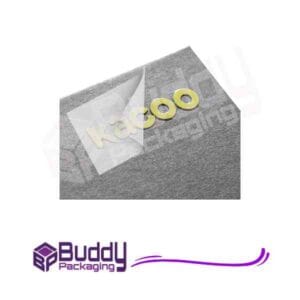
- Embossing or foil stamping: Adds premium texture and shine
Each option impacts cost, quality, and suitability. Make choices based on your budget and desired finish.
Selecting Materials and Finishes
Paper type and finish affect how your printed logo appears. Glossy finishes enhance colour saturation, while matte provides a sophisticated look without glare. Textured stocks can add tactile appeal but must complement your logo’s style.
When preparing packaging or branded materials, consider how your logo integrates with overall design elements. Explore options with professionals who specialise in brand deliverables like Custom Packaging to ensure visual consistency and production quality.
Proofing Before the Final Print
Always order a print proof before committing to a full production run. Proofs help you catch colour inconsistencies, sizing issues, or unexpected layout problems. Reviewing samples in hand prevents costly mistakes.
Logo Applications Across Brand Touchpoints
A well-designed logo should be adaptable across many touchpoints:
Digital Platforms
Your logo should display cleanly on websites, social profiles, email signatures, and digital ads. Responsive design ensures legibility on mobile screens and desktop layouts alike.
Print Collateral
Business cards, brochures, letterheads, and promotional materials benefit from clean logo implementation. Consistent placement and sizing maintain brand unity.
Merchandise and Signage
From branded T-shirts to outdoor signs, ensure the logo works at large and small scales. Discuss with printers or sign fabricators how best to design and print logo assets for these mediums.
For ongoing industry knowledge, stay updated with print & finishing insights, which offer useful trends and innovations that inform both digital and print techniques.
Common Logo Design Mistakes to Avoid
Avoid these pitfalls when you design and print logo:
- Relying on complex graphics that lose clarity at smaller sizes
- Using too many colours or fonts
- Ignoring print requirements like CMYK conversion
- Not testing logos on real products
Focus on simplicity and flexibility — the most enduring logos are versatile and recognisable in any context.
Measuring the Success of Your Logo
After launch, track how your logo performs in the real world. Ask for feedback from customers, look at user engagement on digital platforms, and evaluate whether the logo design reflects your evolving brand narrative. Continuous refinement is okay; many famous brands have updated their logos subtly over time to stay relevant.
Learning how to design and print logo effectively empowers your brand to communicate with clarity and purpose. From initial research and sketching through to production and application, each step influences how your audience perceives you.
A professional logo helps set you apart from competitors, builds trust, and creates recognition across all forms of media. Approach the logo design process thoughtfully and partner with experts when needed — particularly for printing and material selection.
Ready to elevate your brand presence with professional visuals? Explore services like Custom Packaging that bring your logo to life with quality and consistency, and pinpoint your business on the map with Buddy Packaging Location to connect with local print experts.
Discover how candle jar label design can transform your product’s appeal and boost brand identity. The right design not only attracts attention but also communicates your brand’s story and quality. Learn creative tips and professional insights to make your candles stand out — visit Buddy Packaging’s candle jar label design guide today.
FAQ Section
What is the best way to design a logo?
Begin with research and sketches, then use vector software like Adobe Illustrator to build scalable designs. Focus on simplicity and relevance.
How do you prepare a logo for print?
Convert your design to CMYK, export in vector formats, set proper bleed and safe zones, and order proofs before full printing.
What file formats are ideal for printed logos?
Use EPS, SVG, or PDF for vectors and high-resolution PNG or TIFF when required for specific print needs.
Can I print a logo designed for digital use?
Yes — but convert the file to print-ready formats and correct colour modes to ensure accurate reproduction.
How much does it cost to design and print a logo?
Costs vary depending on designer fees, complexity, and printing volume. Higher quality materials and advanced finishing techniques increase production costs.