Introduction
Creating a custom subwoofer box design is one of the most rewarding upgrades for any car audio enthusiast. Whether you’re building your own box from scratch or planning a professional installation, the design of your subwoofer enclosure directly affects how your system sounds and performs. A well-designed custom subwoofer box ensures deeper bass, cleaner sound, and better overall resonance. It’s not just about housing your subwoofer—it’s about shaping the sound you experience.
Understanding Custom Subwoofer Box Design
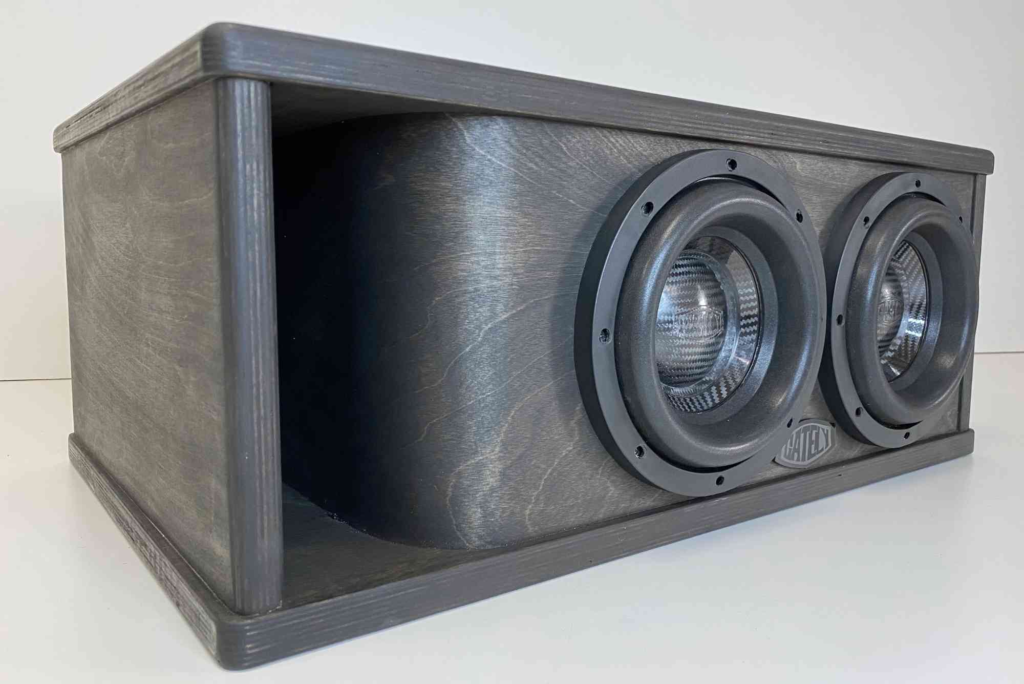
A custom subwoofer box design is a tailored enclosure created to fit your subwoofer’s specifications and your vehicle’s acoustics. Every subwoofer requires a specific airspace volume to perform efficiently. When designed correctly, the box enhances bass response and ensures minimal distortion. Choosing a standard, one-size-fits-all box often results in poor sound quality, rattling, or low output. Custom designs solve these problems by matching your subwoofer’s technical requirements—such as size, power handling, and resonance frequency—with your car’s available space and aesthetic preferences.
Why Custom Subwoofer Box Design Matters
A subwoofer without a proper enclosure can’t produce accurate bass. The enclosure acts as a control mechanism, managing the air pressure and sound waves that come from the rear of the subwoofer cone. A custom design allows you to fine-tune the response curve, reduce unwanted noise, and ensure durability over time. Additionally, custom subwoofer box design enables you to integrate the box into your car’s interior seamlessly, ensuring both functionality and visual appeal.
Types of Custom Subwoofer Box Designs
The first step in designing your enclosure is understanding the types of subwoofer boxes available. Each type serves a specific purpose and delivers unique acoustic results.
Sealed Enclosures
Sealed boxes, also known as acoustic suspension enclosures, provide tight and accurate bass. They’re great for listeners who prefer clarity and precision over loudness. The air inside the box acts as a spring, giving better control over the subwoofer’s movement. If you enjoy crisp bass in all genres of music, a sealed custom design is ideal.
Ported Enclosures
Ported, or bass reflex, enclosures include a vent or port that boosts efficiency and loudness. These are perfect for people who want powerful, deep bass that can fill large spaces. However, ported boxes are more complex to design as they require precise tuning of the port length and diameter to match the subwoofer’s frequency response.
Bandpass Enclosures
A bandpass enclosure is a hybrid design, combining both sealed and ported chambers. It’s tuned to a specific frequency range, producing extremely high output within that range. However, bandpass boxes are not as versatile—they’re usually designed for specific musical preferences, like heavy bass genres.
Key Factors in Designing a Custom Subwoofer Box
A successful custom subwoofer box design involves understanding several technical and aesthetic factors. Each element plays a role in how the box performs and looks.
Subwoofer Specifications
Every subwoofer has recommended specifications from the manufacturer, including ideal box volume, port dimensions, and tuning frequency. Ignoring these can cause poor sound or even damage the speaker. Always base your design around your specific subwoofer’s parameters.
Material Selection
Most custom subwoofer boxes are made from MDF (medium-density fibreboard) due to its rigidity and acoustic properties. Thicker boards reduce vibration and improve sound quality. Some enthusiasts also use fibreglass or plywood for weight reduction and creative shapes.
Airspace Volume
The internal volume of the box determines how the subwoofer behaves. A smaller box produces tighter bass but may lack depth, while a larger box can create deeper bass but may sound less controlled. The goal is to balance precision and power according to your musical taste.
Shape and Placement
The shape of your enclosure affects how sound waves travel. Curved designs can reduce standing waves and improve airflow, while rectangular boxes are easier to build. Placement also matters—a subwoofer box located near the rear seat or trunk corner can boost bass output through cabin reinforcement.
Damping and Insulation
Adding internal damping materials like polyfill, carpet lining, or sound-deadening mats reduces unwanted resonance and vibrations. This helps you achieve cleaner and smoother bass output.
Building vs Buying a Custom Subwoofer Box
Deciding whether to build or buy your subwoofer box depends on your skill level, tools, and budget.
Building Your Own
Building your own box gives you total control over dimensions, design, and finish. It’s cost-effective if you already have woodworking tools. You can create a shape that fits perfectly into your car and personalise it with finishes like paint, carpet, or vinyl. However, this requires precise measurements and understanding of acoustic principles.
Buying from Professionals
If you prefer precision without the effort, professional builders can design and craft an enclosure that perfectly matches your needs. Many companies now offer Custom Boxes for audio systems, ensuring both functionality and aesthetics. Working with professionals also allows you to choose materials, colours, and textures that blend seamlessly with your car interior.
Tuning Your Custom Subwoofer Box
Even a perfectly built box needs tuning. Tuning adjusts how your subwoofer and box interact with the amplifier and your car’s acoustics.
Understanding Frequency Tuning
Ported and bandpass boxes must be tuned to the correct frequency range. Too high a tuning frequency can cause poor low-end response, while too low can make your bass sound boomy. Using a tone generator or sound analyser helps you identify and correct these issues.
Adjusting Amplifier Settings
Set your amplifier’s low-pass filter, gain, and bass boost appropriately. Avoid excessive bass boost, as it can distort sound and damage the subwoofer. Proper gain adjustment ensures clean, balanced bass.
Design Aesthetics: Making Your Box Look as Good as It Sounds
A custom subwoofer box is not just a functional element—it’s a visual statement. You can choose from various finishes, colours, and textures to complement your car’s interior. Options include carpet wrapping, fibreglass moulding, or leather upholstery. Using creative lighting or acrylic inserts can also make your enclosure stand out, especially in show cars or competitions.
Common Mistakes in Custom Subwoofer Box Design
Designing a subwoofer box can be tricky. Some common mistakes include:
- Using incorrect box volume for your subwoofer
- Ignoring manufacturer specifications
- Choosing poor-quality materials
- Forgetting about internal bracing or damping
- Improper sealing of joints leading to air leaks
Avoiding these mistakes ensures longer lifespan, better sound, and greater satisfaction.
The Role of Technology in Custom Subwoofer Box Design
Modern design tools and software make subwoofer box design easier and more precise. Programs like WinISD or BassBox Pro let you simulate box performance before building it. You can visualise frequency response, port tuning, and power handling. These tools reduce guesswork and help you achieve professional-grade results.
For those interested in further learning, exploring print & finishing insights can provide valuable knowledge about materials, finishing touches, and professional craftsmanship—skills that can enhance your box’s overall design and appeal.
Installation Tips for Optimal Performance
Proper installation ensures your subwoofer box performs at its best. Secure the box firmly to prevent movement during driving. Use high-quality speaker wires and ensure all connections are tight. If possible, run a frequency sweep after installation to check for rattles or phase issues. Adjust your head unit settings to match your subwoofer’s tuning.
Maintaining Your Custom Subwoofer Box
Like any audio component, your enclosure needs occasional maintenance. Check for loose screws, worn seals, or air leaks. Clean the exterior regularly and avoid moisture exposure, especially if you’ve used MDF. Keeping your system in top shape ensures long-lasting performance.
Environmental Considerations
Using eco-friendly materials or recycled wood composites can make your build more sustainable. Some modern MDF alternatives are moisture-resistant and environmentally safe, ensuring durability and responsibility towards the planet.
Buddy Packaging Location
If you’re searching for design materials, inspiration, or packaging services, visit Buddy Packaging Location to explore quality solutions for custom fabrication, protective materials, and creative finishes tailored to your subwoofer project.
rafting the Perfect Sound
Designing a custom subwoofer box is both an art and a science. By understanding enclosure types, tuning techniques, and material choices, you can create a system that delivers powerful, accurate bass while fitting seamlessly into your car. Whether you build it yourself or seek professional help, your investment in a thoughtful design pays off every time you turn up the volume.
Ready to enhance your audio experience? Start designing your own custom subwoofer box today or collaborate with experts who can bring your vision to life. Explore professional solutions at Custom Boxes and begin your journey towards sound perfection.
FAQs
What is the best material for a subwoofer box?
MDF is the most popular choice due to its density, durability, and acoustic performance. It minimises vibrations and delivers cleaner bass.
How do I calculate the correct box volume for my subwoofer?
Use the manufacturer’s specifications or online calculators. Input your subwoofer’s dimensions, and they’ll provide the optimal internal airspace.
Should I choose a sealed or ported box?
It depends on your sound preference. Sealed boxes give precise bass, while ported ones provide louder, deeper bass.
Can I design a subwoofer box for multiple subs?
Yes, but ensure that each subwoofer has the correct airspace. Shared chambers require precise tuning to prevent interference.
Is fibreglass better than MDF?
Fibreglass allows creative shapes and lighter builds but requires more skill to work with. MDF remains the best option for beginners.