Custom Design Fabric Printing: The Complete UK Guide
Custom design fabric printing has become one of the most exciting ways to bring creativity to life. Whether you’re a fashion designer, home décor enthusiast, artist or small business owner, the ability to translate your ideas onto fabric offers limitless potential. With advancements in printing technology and increased accessibility, bespoke fabric designs are now within reach for anyone with a vision. In this comprehensive guide, we will explore everything you need to know—from processes and techniques to choosing the right materials and best practices for success.
Fabric printing isn’t just about slapping ink on cloth; it’s about precision, quality and creative expression. In this article, we walk you through the world of custom design fabric printing in a clear, engaging and expert way. You’ll discover how different printing methods work, how to choose the best fabrics, and how to avoid common pitfalls. By the end, you’ll have the confidence to take your designs from concept to stunning textiles.
What Is Custom Design Fabric Printing?
Custom design fabric printing refers to the process of applying your unique artwork or pattern directly onto fabrics. This can be achieved through several printing technologies such as digital printing, screen printing and heat transfer. Unlike off-the-shelf fabrics, custom printing lets you control every aspect of the design—from colour, scale and repeat patterns to the type of fabric used.
This personalised approach has transformed industries. From high-fashion couture to personalised home accessories, custom fabric printing is now essential for those who value individuality and creative expression. It empowers designers to differentiate their products in a crowded market.
Why Choose Custom Design Fabric Printing?
Custom design fabric printing offers many advantages over traditional fabric sourcing or stock patterns.
Unique Branding and Identity
Your designs can become a signature element of your brand. Unique prints enhance brand recognition and set your products apart.
Flexibility and Creative Freedom
You decide the colours, patterns and layout. This level of freedom ensures you achieve the exact aesthetic you want.
Scalability for Small or Large Projects
Whether you’re producing a single piece or a large collection, these printing methods adapt to your needs.
High-Quality Results
With modern technology, prints are vibrant and durable, maintaining quality even after repeated washes.
Custom design fabric printing enables bespoke solutions for businesses and individuals alike. Designers can test new ideas quickly, and small brands can present professional, high-end products with minimal upfront investment.
Popular Fabric Printing Techniques Explained
Different printing methods serve different needs. Let’s explore the most common techniques and when to use them.
Digital Fabric Printing
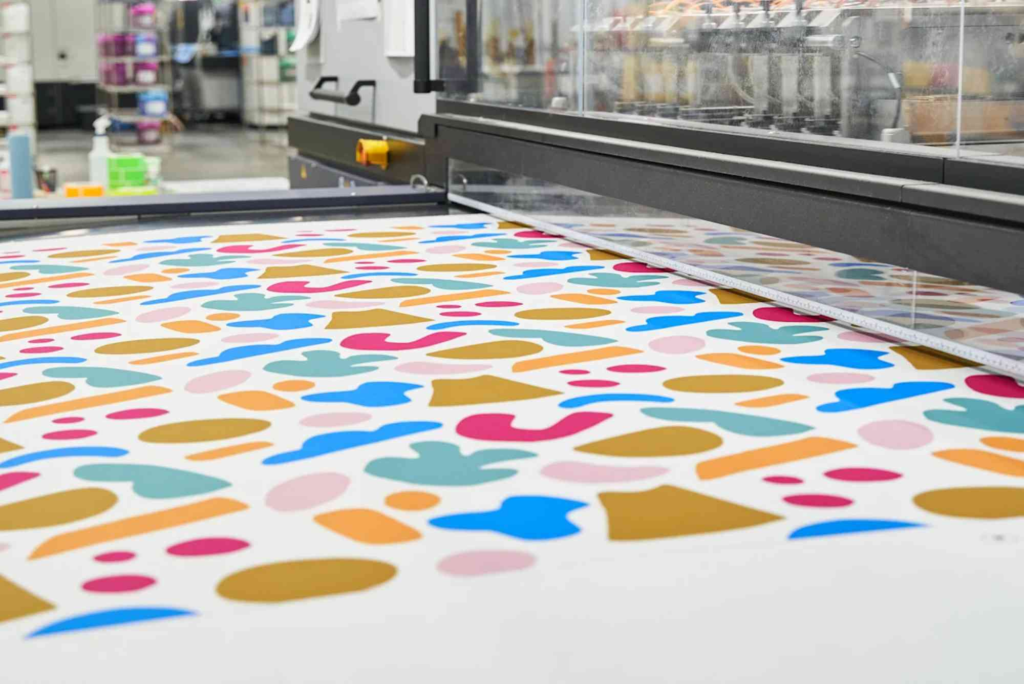
Digital printing is the most versatile method for full-colour designs. It works like an inkjet printer, directly applying ink onto the fabric.
Advantages:
It allows for detailed, photorealistic prints and infinite colour combinations. Digital printing is ideal for short runs and complex designs.
Best For:
• Full-colour patterns
• Small to medium production runs
• Intricate artwork with fine details
Screen Printing
Screen printing uses stencils (screens) for each colour layer. Ink is pushed through the screens onto the fabric.
Advantages:
It’s cost-effective for large runs and offers vibrant colours with long-lasting quality. The prints tend to be more durable under heavy use.
Best For:
• Bold, solid-colour designs
• Large production volumes
• Repetitive patterns
Heat Transfer Printing
This method uses heat to transfer a printed design from a special paper onto the fabric.
Advantages:
It’s efficient for small batches and allows for complex designs with good colour accuracy.
Best For:
• Personalised designs
• Small-scale projects
• Samples and prototypes
Dye Sublimation
Dye sublimation is a technique where dyes turn into gas and bond with polyester fibres. It results in a seamless print that won’t crack or peel.
Advantages:
The print becomes part of the fabric, making it very durable and soft to the touch.
Best For:
• Polyester fabrics
• Sportswear
• All-over prints
Each printing method has its strengths. Choosing the right one depends on your design, fabric choice and project goals.
Selecting the Right Fabric for Printing
Not all fabrics respond the same way to printing. Understanding fabric types helps you achieve professional results.
Cotton Fabrics
Cotton is one of the most commonly printed fabrics due to its natural fibres and strong colour absorption.
Benefits:
• Breathable and soft
• Works well with digital and screen printing
Polyester Fabrics
Polyester suits dye sublimation perfectly and can produce vibrant, lasting prints.
Benefits:
• High durability
• Great for activewear and performance textiles
Blends and Specialty Fabrics
Blended fabrics like cotton-poly provide a balance of softness and strength. Silk, linen and wool each have unique characteristics that influence the final look.
Choosing the right fabric isn’t just about feel and look. It affects how well the ink adheres, how colours appear and how the item performs in everyday use.
Design Considerations for Fabric Printing
Before printing, refine your design to ensure the best possible outcome.
Colour Management Matters
Colours may look different on screen versus fabric. Always use calibrated monitors and test prints to preview the final result. Certain printing methods handle gradients and shades better than others.
Optimise Your Artwork
Clear, high-resolution artwork (at least 300 dpi) ensures crisp printing. Vector files are ideal because they scale without losing quality. Avoid pixelated images; they can blur in the final print.
Pattern Repeat and Scale
Decide how your design will repeat across the fabric. Some patterns are more effective when mirrored or tiled, while others work best as a single focal image.
Test Prints Before Full Production
Small test prints help you assess colour accuracy and fabric behaviour. Adjust as needed before committing to a full run.
Practical Applications of Custom Design Fabric Printing
Custom fabric printing has a wide range of uses across different sectors.
Fashion and Apparel
Designers can create exclusive prints for dresses, shirts, scarves and more. Personalised prints offer unique identity for consumers who value individuality.
Home Décor
From curtains and cushions to upholstery and bedding, custom fabrics elevate interior spaces. With the right prints, you can transform any room’s ambience.
Promotional and Event Merchandise
Businesses and event organisers use fabric printing for branded merchandise like tote bags, banners and apparel. It’s a creative way to promote your message or event.
Creative Arts and Craft Projects
Artists and hobbyists print fabrics for quilts, wall hangings, bags and accessories. Custom printing opens up new creative possibilities.
For businesses looking to elevate their brand experience, investing in high-quality printing can make a substantial difference. Combining your own vision with professional printing techniques results in products that resonate with your audience.
Common Challenges and How to Overcome Them
While custom design fabric printing is rewarding, certain issues can arise.
Colour Mismatch
Digital screens can display colours differently than fabric. Always run a colour test and use standard colour profiles (like Pantone) to reduce surprises.
Ink Bleeding
Poor fabric quality or incompatible inks can cause colour bleeding. Pick fabrics suited to your chosen printing method and consult your provider for best practices.
Fading Over Time
Excessive washing or harsh detergents can fade prints. Use appropriate care instructions and high-quality inks to prolong life.
Irregular Prints
Poor alignment during the printing process can distort patterns. Choose experienced printing services and review sample proofs before full batches.
By anticipating these challenges and planning accordingly, you can ensure your custom prints meet expectations.
Tips for Working with Printing Service Providers
Selecting the right printing partner is crucial for a successful project.
Review Their Portfolio
Look at samples of previous work to gauge quality and capability. This gives you insight into their strengths.
Ask About Turnaround Times
Different techniques may require various production times. Confirm schedules to meet your delivery deadlines.
Communicate Clearly
Provide detailed design files, preferred printing methods and fabric choices. Clear communication reduces errors and improves satisfaction.
If you’re also thinking about how your printed fabrics will be presented or packaged, consider how excellent Custom Packaging can enhance your product’s appeal and perceived value. For creative professionals, pairing your fabric prints with thoughtful presentation makes all the difference. For broader inspiration, explore some actionable packaging design tips to elevate your overall brand experience.
Cost Considerations in Custom Fabric Printing
Prices vary depending on printing method, fabric type, design complexity and order size. Digital printing often costs more for short runs but offers superior detail. Screen printing can be more economical for larger batches. Always request quotes with a clear breakdown to compare offerings.
Keep in mind that investing in higher quality materials and printing will pay off in durability and customer satisfaction. Quality prints become a hallmark of your brand’s reputation.
Sustainability in Fabric Printing
Eco-conscious printing is gaining importance. Look for partners that use water-based inks, low-impact dyes and sustainable fabrics. Many modern printers offer options that minimise environmental impact without sacrificing quality. Sustainable practices benefit not only the planet but also consumers who value ethical production.
How to Care for Custom Printed Fabrics
Caring for printed fabrics ensures longevity and vibrancy:
• Wash gently with mild detergents
• Use cold water settings
• Avoid tumble drying when possible
• Iron inside-out on low heat
Following these simple steps helps preserve your prints’ colour and detail.
Bring Your Creative Vision to Life
Custom design fabric printing is a powerful way to showcase your creativity and differentiate your products. Whether you’re crafting fashion, home décor or promotional items, understanding the techniques, materials and design considerations gives you an edge. From planning to execution, attention to detail leads to remarkable outcomes.
Ready to transform your ideas into stunning textiles? Start exploring your options today and take the first step toward creating something truly unique. For those also preparing their finished products for the market, visit Buddy Packaging Location to find support with professional presentation solutions.
Discover the beauty of traditional craftsmanship with stunning woodblock printing designs that blend heritage with modern creativity. From intricate floral motifs to bold geometric patterns, these timeless designs add character to packaging, artwork, and branding projects. Explore inspiring ideas and high-quality prints at woodblock printing designs to elevate your creative work with authentic UK style and detail.
FAQs
What is the best printing method for high-detail fabric designs?
Digital fabric printing is ideal for intricate, full-colour designs because it produces crisp, detailed results.
How long does custom fabric printing take?
Timing depends on the printing method and order size. Digital printing often has shorter turnaround times than screen printing for small batches.
Can I print on any type of fabric?
Not all fabrics are suited to every printing method. Natural fibres like cotton work well with many techniques, while polyester is best for dye sublimation.
Will printed fabrics fade?
Quality inks and proper care reduce fading. Follow washing instructions and choose colourfast printing options.
Is there a minimum order for custom printing?
Some providers set minimum quantities. Always check with your printer to understand requirements and pricing.