Introduction
Creative toy packaging design plays a vital role in attracting children and convincing parents to buy. In a crowded retail environment, packaging is often the first interaction a customer has with a product. Therefore, brands must go beyond simple boxes and create memorable, engaging, and functional packaging.
In today’s competitive toy industry, creative toy packaging design is not just about aesthetics. It combines storytelling, branding, sustainability, and user experience. When done right, it can significantly influence purchasing decisions and enhance brand loyalty.
Why Creative Toy Packaging Design Matters
Creative toy packaging design directly impacts how a product is perceived. Children are drawn to bright colours, fun shapes, and interactive elements. Meanwhile, parents look for safety, clarity, and value.
Good packaging communicates trust. It also reflects the quality of the toy inside. For instance, premium packaging often suggests a high-quality product. On the other hand, poorly designed packaging can reduce perceived value. Moreover, packaging serves as a silent salesperson. It highlights key features, benefits, and age suitability. This helps customers make quick decisions without needing assistance.
Understanding Your Target Audience
Before creating a design, it is essential to understand your audience. Toys are primarily for children, but parents are the buyers.
Designing for Children
Children respond to colours, characters, and playful elements. Packaging should spark curiosity and excitement. For example, bold typography and cartoon illustrations can make a toy stand out on shelves.
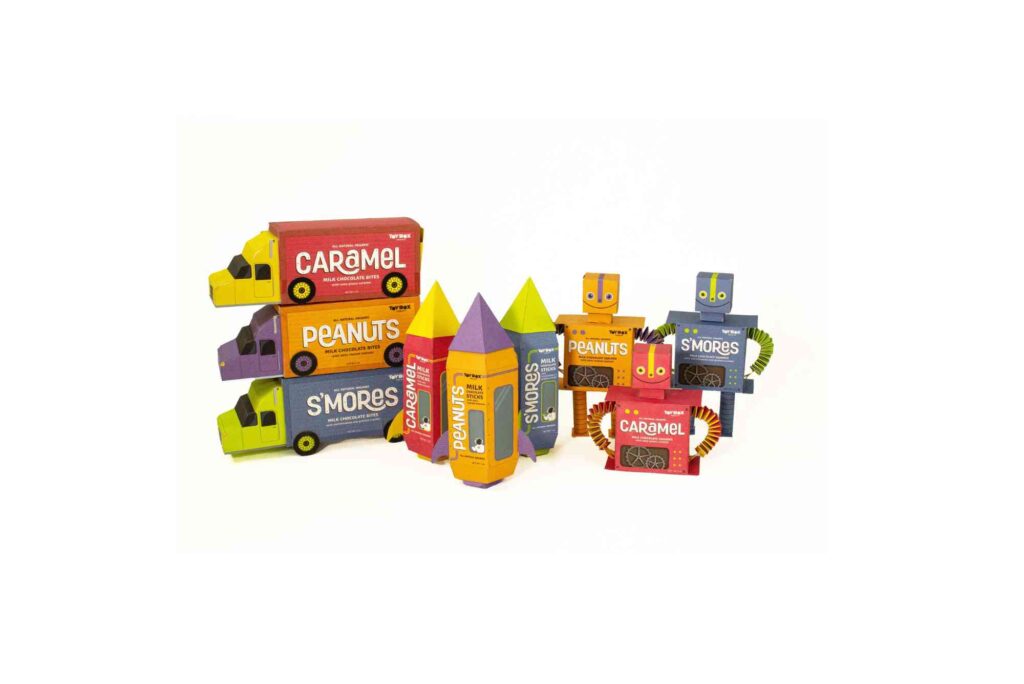
Interactive features such as windows or movable parts can further enhance engagement. These small details make the packaging part of the toy experience.
Appealing to Parents
Parents prioritise safety, durability, and educational value. Therefore, creative toy packaging design should include clear information. Labels, certifications, and age recommendations build trust.
Additionally, minimal and organised layouts appeal to parents. They prefer packaging that looks clean and informative rather than overly cluttered.
Key Elements of Creative Toy Packaging Design
To create impactful packaging, several elements must work together seamlessly.
Colour Psychology
Colour plays a significant role in attracting attention. Bright and vibrant colours appeal to children, while softer tones can signal educational or eco-friendly products.
For example, red and yellow create excitement, while blue and green suggest calmness and trust. Choosing the right palette can influence emotions and buying behaviour.
Typography and Messaging
Typography should be clear and engaging. Large, bold fonts are effective for product names. Supporting text should be easy to read and concise.
Avoid overloading the packaging with information. Instead, focus on key messages that highlight the toy’s benefits.
Shapes and Structure
Unique shapes make packaging stand out. Instead of traditional boxes, consider creative structures that reflect the toy’s theme.
For example, a toy car could come in packaging shaped like a garage. This not only attracts attention but also enhances the unboxing experience.
Material Selection
Materials should be durable and safe. Increasingly, brands are choosing eco-friendly materials to reduce environmental impact.
Recyclable cardboard and biodegradable plastics are popular choices. Sustainable packaging also appeals to environmentally conscious parents.
The Role of Storytelling in Packaging
Storytelling is a powerful tool in creative toy packaging design. It transforms packaging into an experience rather than just a container.
A strong narrative can connect emotionally with both children and parents. For example, a toy with a character backstory can create excitement before the box is even opened.
Illustrations, short stories, or themed designs can bring the product to life. This encourages imaginative play and strengthens brand identity.
Innovative Trends in Toy Packaging
The toy industry continues to evolve, and packaging trends are changing alongside it.
Interactive Packaging
Interactive packaging engages children directly. Features such as puzzles, games, or reusable boxes add value.
This approach turns packaging into part of the toy, reducing waste while enhancing enjoyment.
Minimalist Design
While children love bright designs, minimalism is gaining popularity among parents. Clean layouts, simple colours, and clear messaging create a modern look.
This trend also aligns with sustainability, as it often uses fewer materials and inks.
Eco-Friendly Packaging
Sustainability is no longer optional. Many brands are adopting eco-friendly practices in their creative toy packaging design.
Using recycled materials and reducing plastic usage can improve brand reputation. It also meets the growing demand for environmentally responsible products.
Personalised Packaging
Personalisation adds a unique touch. Custom names, messages, or themes make toys feel special.
This is particularly popular for gifts, where customised packaging enhances the overall experience.
Balancing Creativity and Functionality
While creativity is important, functionality should never be overlooked. Packaging must protect the toy during transport and storage. It should also be easy to open. Frustration-free packaging improves customer satisfaction, especially for parents.
Clear instructions and accessible designs ensure a positive user experience. Therefore, creative toy packaging design must balance visual appeal with practicality.
Branding Through Packaging
Packaging is a powerful branding tool. Consistent colours, logos, and design elements help build recognition.
Strong branding creates trust and encourages repeat purchases. Over time, customers begin to associate certain styles with quality. Businesses offering Custom Packaging can tailor designs to reflect their brand identity. This allows for greater flexibility and creativity in packaging solutions.
Practical Packaging Design Tips
Creating effective packaging requires careful planning and execution. Following proven strategies can improve results. One useful approach is to study industry trends and expert advice. Resources like packaging design tips provide valuable insights into design techniques and best practices.
Testing designs before mass production is also essential. Feedback from both children and parents can highlight areas for improvement. Additionally, consider retail placement. Packaging should be designed to stand out on shelves and in online listings.
The Importance of Location and Accessibility
For businesses, accessibility matters just as much as design. Knowing where your packaging partner operates can streamline production and delivery.
For instance, understanding a provider’s location, such as Buddy Packaging Location, can help businesses make informed decisions about logistics and collaboration. Efficient supply chains ensure that packaging is delivered on time and meets quality standards.
Common Mistakes to Avoid
Even well-intentioned designs can fail if common mistakes are not addressed. Overcomplicating the design can confuse customers. Too many colours, fonts, or elements can reduce clarity.
Ignoring safety standards is another critical issue. Packaging must comply with regulations to ensure child safety. Additionally, neglecting sustainability can harm brand reputation. Modern consumers expect environmentally responsible practices.
Future of Creative Toy Packaging Design
The future of creative toy packaging design is shaped by technology and sustainability. Augmented reality (AR) is becoming more popular. It allows children to interact with packaging through mobile devices.
Smart packaging with QR codes can provide additional information or digital experiences. This bridges the gap between physical and digital play. Sustainability will continue to be a major focus. Brands that adopt eco-friendly solutions will likely gain a competitive edge.
Conclusion
Creative toy packaging design is more than just a visual element. It is a strategic tool that influences purchasing decisions, enhances brand identity, and improves customer experience. By combining creativity, functionality, and sustainability, brands can create packaging that stands out in a competitive market. Understanding the needs of both children and parents is essential for success.
Creative packaging plays a vital role in capturing attention and enhancing brand identity. With innovative concepts and smart design strategies, businesses can stand out in competitive markets. Explore these creative packaging design ideas to inspire unique branding solutions while also strengthening your internal linking strategy through relevant and engaging content connections.
FAQs
What is creative toy packaging design?
Creative toy packaging design involves using innovative visuals, materials, and structures to make toy products more appealing and engaging.
Why is packaging important for toys?
Packaging attracts attention, communicates product value, and influences buying decisions, especially in retail environments.
How can toy packaging be eco-friendly?
Using recyclable materials, reducing plastic, and designing reusable packaging can make toy packaging more sustainable.
What makes toy packaging attractive to children?
Bright colours, fun characters, and interactive elements make packaging appealing to children.
How can brands improve their toy packaging design?
Brands can improve by understanding their audience, following design trends, and testing packaging before launch.