Introduction
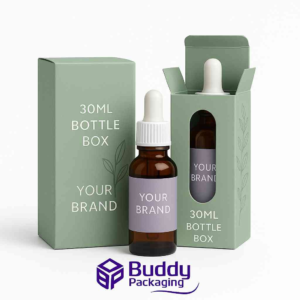
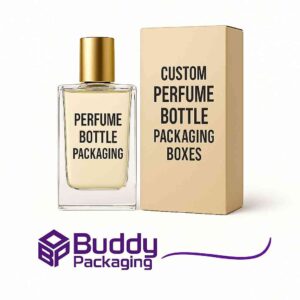
Cosmetic box design plays a vital role in shaping a customer’s first impression. It’s more than just packaging—it’s a powerful branding tool that communicates quality, creativity, and luxury. In a competitive beauty industry, where consumers are drawn by visual appeal as much as product performance, your packaging must speak volumes before a customer even opens the box. A well-thought-out cosmetic box design not only protects your product but also enhances its perceived value, turning casual buyers into loyal customers.
Designing cosmetic boxes requires a blend of art, psychology, and strategy. Every element—from colour and typography to texture and structure—tells a story. The way you present your brand visually can either make your product stand out on crowded retail shelves or get lost among competitors. This is why modern brands are increasingly investing in innovative and sustainable packaging solutions that align with their brand ethos and consumer expectations.
The Importance of Cosmetic Box Design
Cosmetic box design is crucial for creating brand identity and emotional connection. In today’s beauty market, packaging is an extension of the brand experience. It’s the first physical touchpoint a customer interacts with, and it sets the tone for what’s inside. Whether it’s a premium skincare serum or an affordable lip balm, the packaging defines the brand perception.
A luxury cosmetic line might opt for minimalist packaging with metallic accents, while an eco-friendly skincare brand might choose kraft paper boxes with earthy tones. The key is consistency—your design should reflect your values, product quality, and target audience.
Moreover, research shows that 70% of consumers base their purchasing decisions on packaging design. A well-designed cosmetic box not only attracts attention but also conveys trust and professionalism. It assures buyers that they are investing in something crafted with care.
Key Elements of an Effective Cosmetic Box Design
Creating a compelling cosmetic box design involves understanding several core elements. Each detail contributes to the overall user experience and brand storytelling.
Colour Psychology
Colours evoke emotions and influence buying decisions. Soft pastel shades often communicate elegance and femininity, while bold colours like red and black signify confidence and luxury. The colour palette should align with your product’s message and brand image.
Typography and Fonts
Fonts convey tone. Sleek, modern typefaces suggest sophistication, while handwritten or script fonts add a personal, artisanal touch. The font should be legible, balanced, and complement the box’s overall aesthetic.
Materials and Texture
Material choice defines the tactile experience. Matte finishes convey subtle luxury, while glossy coatings highlight vibrancy. Many brands now choose eco-friendly materials to appeal to environmentally conscious consumers. Using recyclable paper, soy-based inks, and biodegradable laminates not only enhances brand reputation but also aligns with sustainability goals.
Structure and Shape
An innovative shape can instantly set your product apart. Custom inserts, magnetic closures, and window cutouts all add functionality and flair. Think about how the box opens—an unboxing experience that feels premium can strengthen brand loyalty.
Brand Identity and Consistency
Every design element should reinforce your brand’s visual language. Logos, icons, and colours must remain consistent across all packaging formats. This coherence ensures customers instantly recognise your products on shelves or online.
Modern Trends in Cosmetic Box Design
The packaging industry evolves rapidly, influenced by technology, culture, and consumer values. Here are some of the most prominent trends shaping the future of cosmetic box design.
Minimalist Aesthetics
Less is often more in modern design. Clean lines, simple typography, and restrained colour palettes create a timeless appeal. This trend works well for premium skincare and luxury cosmetics, where understated elegance reflects confidence and class.
Sustainable Packaging
Sustainability has become a non-negotiable aspect of packaging design. Brands are replacing plastic with paperboard, bamboo, or biodegradable materials. Recyclable and refillable packaging also appeals to eco-conscious customers who want to reduce waste.
Personalised and Custom Boxes
Personalisation adds an emotional connection. With Custom Boxes, brands can tailor packaging to match seasonal themes, limited editions, or customer preferences. Personalised packaging not only enhances perceived value but also encourages social sharing, making it a powerful marketing tool.
Smart and Interactive Packaging
Technology-driven designs are becoming increasingly popular. QR codes, AR (augmented reality) experiences, and NFC tags provide interactive engagement. Customers can scan codes to learn about ingredients, watch tutorials, or receive loyalty rewards. This blend of technology and design strengthens brand engagement.
Bold Typography and Patterns
Statement typography and geometric patterns create a striking visual effect. Designers are using oversized fonts and artistic layouts to make packaging instantly memorable. When executed well, this bold approach ensures visibility from a distance and differentiates your brand from competitors.
How to Create the Perfect Cosmetic Box Design
Designing cosmetic packaging that truly stands out involves a clear strategy. Below is a step-by-step overview of how to craft a design that combines beauty and function.
Understand Your Audience
Before designing, identify your target market. Are your products for young, trend-driven consumers or mature, luxury buyers? Knowing your audience helps you select colours, materials, and styles that resonate with them emotionally.
Define Your Brand Message
Every box should tell your brand story. Your packaging design should communicate values like sustainability, innovation, luxury, or simplicity. Consistency across your product line builds trust and brand recognition.
Choose the Right Material
Durability and sustainability are vital. High-quality materials ensure your packaging protects the product while maintaining its aesthetic appeal. Options like rigid boxes, folding cartons, and corrugated cardboard offer varying levels of strength and cost efficiency.
Focus on Print Quality
Professional printing is essential. Colours must be vivid, text sharp, and graphics aligned. For expert print & finishing insights, you can explore various coating methods such as UV gloss, embossing, debossing, and foil stamping. These finishing touches elevate the tactile experience and add depth to your design.
Prototype and Test
Before final production, test your packaging design with prototypes. Check how it feels, looks under different lighting, and performs in shipping. Gathering customer feedback before mass production can save costs and improve satisfaction.
Create a Memorable Unboxing Experience
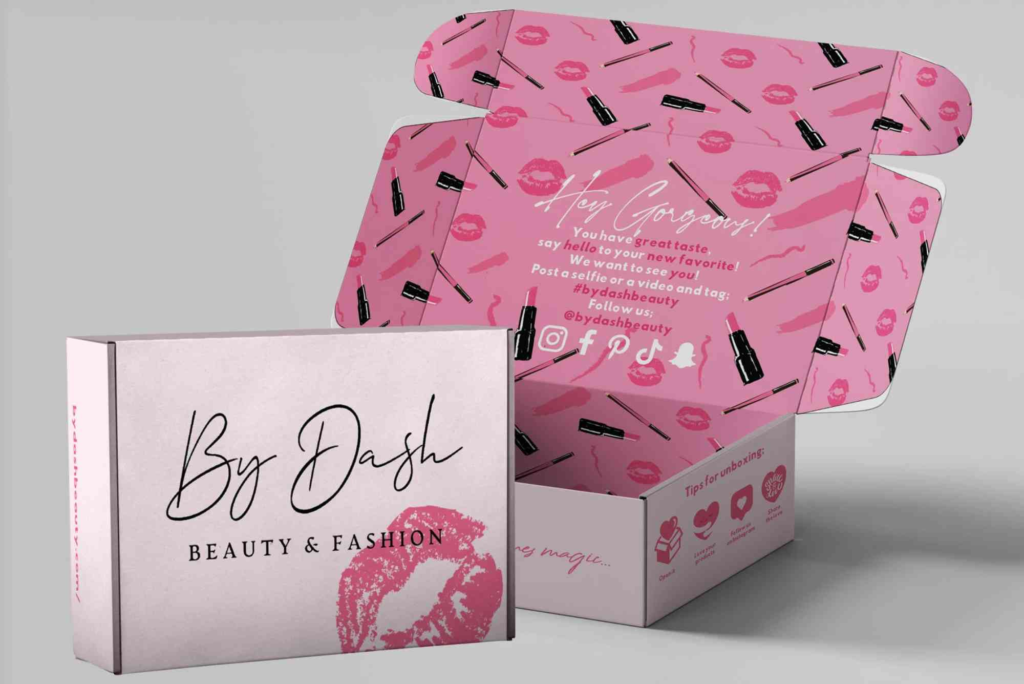
The unboxing experience has become a marketing event in itself. Including thoughtful design features—like custom inserts, tissue paper, or thank-you cards—can make customers feel appreciated and encourage them to share their experience online.
The Role of Sustainability in Cosmetic Packaging
Sustainability is not just a trend—it’s a necessity. Today’s consumers demand transparency and responsibility from brands. Adopting eco-friendly packaging reduces environmental impact while enhancing brand reputation. Using materials such as recycled paperboard or soy-based inks sends a strong message about your brand’s ethical values.
Moreover, brands adopting circular packaging systems, such as refillable cosmetic containers, are setting new industry standards. These solutions appeal to environmentally conscious consumers and contribute to long-term brand loyalty.
The Psychology Behind Cosmetic Box Design
Design influences behaviour. Shapes, colours, and even textures evoke subconscious responses. Round edges often feel more feminine and soft, while angular shapes communicate precision and innovation. Pastel colours may appeal to gentle, natural brands, whereas metallic finishes exude sophistication and exclusivity.
The tactile quality of packaging also influences perception. A smooth matte surface may feel premium, while a textured finish creates intrigue. Combining visual and sensory appeal builds an emotional bond between the customer and the brand.
How to Stand Out in a Competitive Market
In the beauty industry, where thousands of products compete for attention, standing out requires both creativity and strategy. Focus on storytelling—design packaging that reflects the journey, ingredients, or inspiration behind your products.
Consistency across product lines ensures strong brand recognition. Use the same design language on labels, boxes, and promotional materials. Also, consider limited-edition designs for special events or collaborations; these generate excitement and exclusivity.
Common Mistakes to Avoid
Avoid overcrowding your design with too many elements. Simplicity enhances readability and elegance. Ensure compliance with packaging regulations—ingredient lists, expiry dates, and barcodes must be clear and correctly positioned. Also, never compromise print quality for cost savings, as this can harm brand credibility.
Packaging That Sells and Inspires
In today’s competitive beauty market, exceptional cosmetic box design is essential for brand success. It’s not just about aesthetics—it’s about communication, trust, and experience. Thoughtful packaging can turn a simple product into a premium experience and a first-time buyer into a loyal advocate.
By combining creativity with functionality, you can design boxes that captivate, protect, and elevate your products. Whether you’re launching a new cosmetic line or refreshing your brand identity, invest in design that reflects your values and connects with your audience.
Ready to elevate your brand presence? Explore Custom Boxes solutions tailored to your unique cosmetic range. Create packaging that doesn’t just hold your product—it tells your story.
FAQs
What materials are best for cosmetic box design?
Paperboard, rigid boxes, and eco-friendly kraft paper are popular choices due to their durability and sustainability.
How can I make my cosmetic packaging eco-friendly?
Use recycled or biodegradable materials, avoid plastic coatings, and opt for soy-based inks to reduce environmental impact.
What printing techniques work best for luxury cosmetic boxes?
Embossing, foil stamping, and UV coating add a premium touch and enhance the tactile appeal of your packaging.
Why is unboxing experience important in cosmetic packaging?
A unique unboxing experience creates emotional connection, encourages social sharing, and enhances brand perception.
How do I choose the right colour palette for my cosmetic box?
Select colours that align with your brand’s personality and appeal to your target audience’s emotions and preferences.