Introduction
Packaging is no longer just a way to protect products; it has become one of the most important aspects of branding and marketing. Businesses today realize that cool packaging design can directly influence how customers perceive their products and even determine whether they purchase or not. From luxury brands to small startups, companies are investing in unique, innovative, and functional packaging to grab attention in competitive markets. This article explores why cool packaging design matters, what elements make packaging stand out, and how you can use creativity to enhance your brand identity.
Why Cool Packaging Design Matters
Cool packaging design is more than an aesthetic choice. It is a strategic tool that shapes customer experience, creates brand loyalty, and increases sales. Studies show that customers form first impressions within seconds of seeing a product, and packaging plays the biggest role in that moment. For businesses, this means packaging is not just a container but a silent salesperson on store shelves or in online product photos.
Customers often share products with attractive packaging on social media, turning buyers into brand promoters. A creative design helps your product stand apart from competitors, builds recognition, and reinforces your brand’s values. Packaging is also a way to communicate transparency and sustainability, especially for eco-conscious customers who are actively looking for brands with recyclable or reusable options.
Elements of Cool Packaging Design
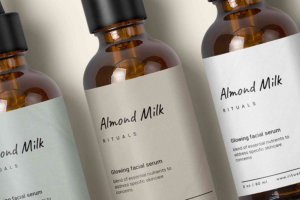
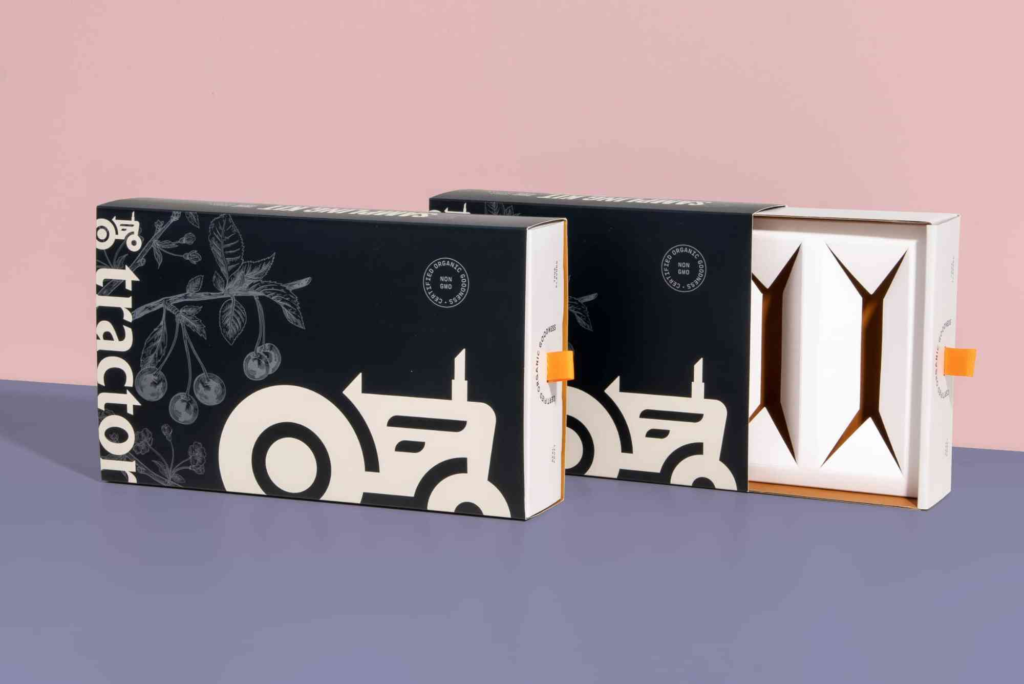
A packaging design that connects with customers often includes several elements working together. Visual appeal is the first factor. Colours, typography, and graphics should align with the product’s identity and target audience. For example, bright, playful designs may work for snacks, while minimal, elegant packaging may suit luxury skincare.
Functionality is equally important. Customers love packaging that is easy to open, resealable, or has a second use. Innovative structures can elevate the customer experience by surprising them when they interact with the product. Sustainability has also become central to cool packaging design. Using biodegradable materials or creative ways to reduce waste adds value and strengthens brand reputation.
Storytelling is another key element. Packaging that tells a brand’s journey or reflects cultural influences can connect emotionally with customers. This storytelling can be visual or written in the form of a tagline, illustration, or QR code leading to digital content.
The Role of Branding in Packaging
Every package is an opportunity to reinforce brand identity. Cool packaging design should be consistent with logos, brand colours, and tone. Consistency helps build recognition across products and platforms. However, consistency should not limit creativity. Brands can play with limited-edition packaging designs, seasonal variations, or collaborations to create excitement while still staying true to their identity.
Take the example of beverage brands that often release collectible bottles or cans. Customers purchase them not only for the product but also for the packaging design itself. This demonstrates how packaging becomes an extension of branding.
Trends in Cool Packaging Design
Trends in packaging evolve as consumer preferences and technologies change. Minimalist packaging has gained popularity for its clean look and strong focus on product quality. Transparency in packaging, such as clear windows or recyclable materials, appeals to modern customers who value honesty and eco-friendly practices.
Interactive packaging is another emerging trend. QR codes, AR experiences, or scannable designs allow customers to engage beyond the physical package. Vintage-inspired designs have also returned, bringing nostalgia and uniqueness to modern branding.
Custom Packaging is also gaining momentum as businesses seek personalized solutions tailored to their products and audiences. By working with specialized packaging providers, brands can achieve unique shapes, sizes, and finishes that make their products stand out. You can explore more ideas through resources like Custom Packaging to find tailored solutions.
Creative Examples of Cool Packaging Design
Brands across industries are experimenting with creative packaging to surprise and delight customers. A chocolate company may design packaging that unfolds into a game board, making the product interactive and memorable. A tea brand might use eco-friendly pouches with plantable tags, allowing customers to grow herbs from their packaging waste. A tech company could design sleek, minimal packaging with magnetic closures to enhance the premium feel of its gadgets.
Another great source of packaging design inspiration is global showcases of creative projects. Browsing such collections helps designers and businesses explore what works for different industries and apply those lessons to their own branding strategies.
Balancing Creativity and Practicality
While it is tempting to go all-in with creativity, cool packaging design also needs to balance practical aspects. Packaging should be cost-effective, easy to produce in bulk, and compliant with safety regulations. Overly complex designs may impress but could become impractical for storage, shipping, or disposal.
Smart brands strike a balance by focusing on simplicity with a creative twist. This could mean using an unexpected colour combination, playful typography, or a clever structural fold that still works efficiently in production.
How Cool Packaging Design Impacts Customer Behavior
Research shows that packaging influences both first-time buyers and repeat customers. Attractive packaging encourages impulse buying, especially in competitive categories like food, cosmetics, or beverages. For repeat customers, packaging that delivers a positive unboxing experience builds brand loyalty and trust.
Cool packaging design also enhances perceived product value. Customers often associate premium packaging with premium quality. In industries such as perfumes, luxury watches, or gourmet foods, packaging can be as influential as the product itself in creating a sense of exclusivity.
The Future of Cool Packaging Design
As technology and consumer expectations evolve, the future of packaging is moving toward personalization and sustainability. Digital printing allows brands to create unique designs for different customer segments, making packaging more personal. Eco-friendly innovations, such as compostable materials and reusable containers, will dominate future trends.
Brands will increasingly integrate digital experiences into packaging. Smart labels, NFC tags, and AR interactions will allow packaging to connect customers directly with stories, tutorials, or promotions. This fusion of creativity and technology will define the next era of cool packaging design.
FAQ Section
What makes packaging design cool?
A cool packaging design combines creativity, functionality, and branding. It catches attention, tells a story, and enhances customer experience.
Why is packaging design important for brands?
Packaging design influences buying decisions, strengthens brand identity, and differentiates products from competitors in crowded markets.
How can I find packaging design inspiration?
You can explore online platforms showcasing creative projects, such as packaging design inspiration, or analyze leading brands in your industry.
Does cool packaging design affect sales?
Yes, visually appealing and functional packaging can increase impulse purchases, brand loyalty, and perceived product value.
What are the current trends in cool packaging design?
Minimalism, eco-friendly materials, interactivity, and personalization are some of the strongest trends shaping packaging today.
Cool packaging design is no longer optional; it is essential for building a successful brand. By combining creativity, practicality, and storytelling, businesses can create packaging that excites customers and sets their products apart. Whether you draw from global trends, invest in sustainability, or experiment with digital experiences, the goal is always to design packaging that resonates with your audience.