Introduction
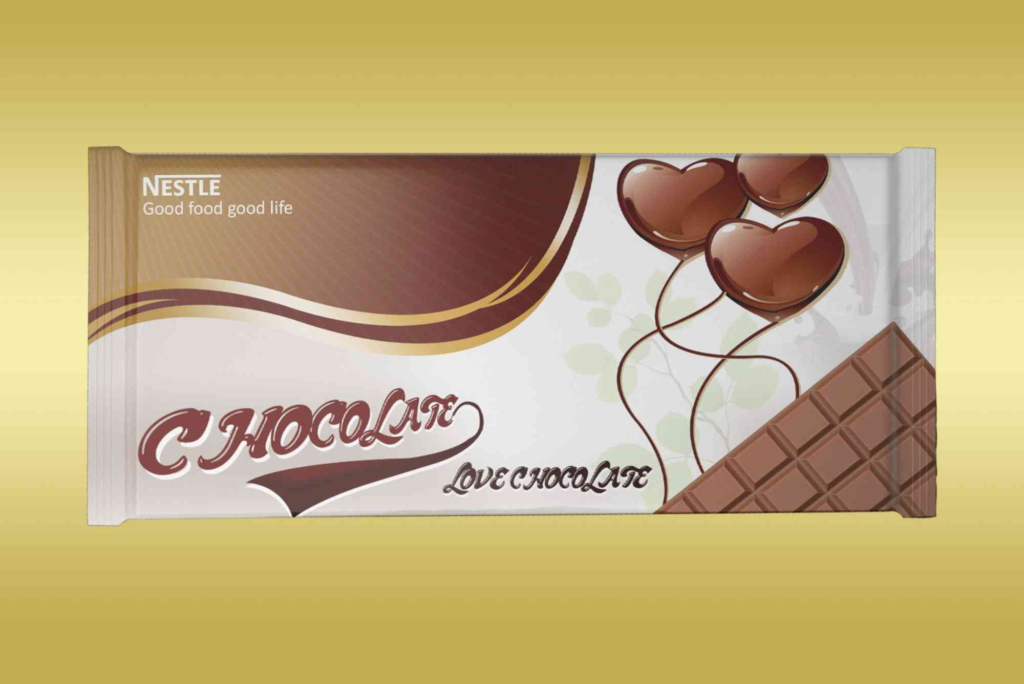
Chocolate is more than just a sweet indulgence—it is an emotional product. From gifting to personal enjoyment, it carries a sense of luxury, comfort, and celebration. That is why chocolate packaging design plays such an essential role in the customer experience. The way chocolate is packaged does not just protect the product; it tells a story, sets expectations, and communicates brand values. Whether you are an artisan chocolatier or a global brand, packaging is the first impression your chocolate makes. A carefully crafted design can increase shelf appeal, enhance brand identity, and create memorable unboxing moments that consumers share with others.
The Role of Chocolate Packaging Design in Branding
Chocolate is sold in highly competitive markets where dozens of options crowd store shelves. What sets one product apart from another often comes down to packaging. Brands use colour psychology, typography, and structural creativity to communicate luxury, fun, health-consciousness, or indulgence. Premium dark chocolate, for instance, is often wrapped in matte finishes with gold accents to highlight sophistication. Meanwhile, children’s chocolate products may feature bright, playful designs with cartoon characters to capture young eyes. The goal is always the same: ensure the packaging reflects the essence of the chocolate inside.
Essential Elements of Effective Chocolate Packaging
When developing chocolate packaging design, several critical elements shape the overall outcome.
Colour and Psychology
Colors trigger emotions and influence buying decisions. Earthy tones such as brown, beige, and green evoke natural and organic qualities, while black, gold, and silver highlight premium luxury. Red and orange can suggest fun, excitement, or seasonal festivity. A strong grasp of colour psychology ensures packaging connects with its intended audience.
Typography and Branding
Fonts add character to packaging. A handwritten script conveys artisan craftsmanship, while sleek modern fonts suggest minimalism and refinement. Typography also needs to ensure legibility. Overly elaborate designs may look artistic but can frustrate buyers who want to quickly identify flavors or ingredients.
Material Selection
The feel of the packaging is as important as the look. Eco-friendly papers, recycled cardboard, or biodegradable films appeal to environmentally conscious consumers. Meanwhile, foil wrapping signals freshness and indulgence. In luxury markets, rigid boxes with magnetic closures elevate the unboxing experience, making chocolate feel more like jewelry than food.
Functionality and Protection
While design aesthetics matter, packaging must protect chocolate from external damage, temperature changes, and contamination. Chocolate is sensitive to heat and humidity, so airtight, protective materials extend shelf life while preserving taste and texture. Functional packaging also makes transportation and storage easier, ensuring the product reaches customers in perfect condition.
Trends in Chocolate Packaging Design
Like fashion, packaging design evolves with consumer preferences. Brands that adapt stay ahead of the competition.
Minimalist Packaging
Minimalism is trending across industries, including chocolate. Clean lines, simple colour palettes, and uncluttered graphics help products stand out with elegance. Consumers drawn to healthier lifestyles often prefer minimalist designs that emphasize transparency and authenticity.
Sustainable Packaging
Eco-conscious buyers expect brands to demonstrate responsibility. Plant-based inks, compostable wrappers, and recyclable cardboard reflect sustainability efforts. Many small chocolatiers use custom packaging solutions like Custom Packaging to reduce environmental impact while maintaining brand uniqueness.
Interactive and Storytelling Designs
Packaging can tell a brand’s story. Illustrations, cultural patterns, or local inspirations add authenticity and build emotional connections. Some brands even use QR codes that lead customers to videos showcasing the chocolate-making process, adding transparency and engagement.
Luxury and Gifting Experiences
Chocolate is a common gift, which makes premium packaging essential. Foil-stamped logos, embossed textures, and ribbon-tied boxes create an upscale look. Seasonal packaging, such as Valentine’s hearts or festive holiday boxes, allows brands to boost sales during peak periods.
Packaging Design Inspiration for Chocolatiers
Finding packaging design inspiration is crucial for creativity. Designers often look at global packaging showcases like Packaging Design Inspiration to explore unique ideas from around the world. From Scandinavian minimalism to bold Japanese aesthetics, chocolatiers can learn how different cultures use packaging to reflect flavors, traditions, and values.
Inspiration may also come from nature, art, or even architecture. A chocolatier inspired by floral gardens might design wrappers with botanical illustrations, while one focused on modernity might use geometric lines and metallic finishes. The key is aligning inspiration with brand identity so the packaging feels authentic and memorable.
The Marketing Power of Chocolate Packaging
Packaging is a silent salesperson. It communicates without words and persuades buyers in seconds. For new brands, packaging design often determines whether consumers give them a chance. A well-designed wrapper can make a small artisanal brand look as professional as an established multinational.
In the digital age, packaging also impacts online marketing. Social media platforms like Instagram thrive on visually appealing content. Unique chocolate packaging encourages customers to share photos, essentially turning them into brand ambassadors. Unboxing videos, product photography, and influencer collaborations all rely on packaging to capture attention.
Balancing Creativity and Cost
Not every chocolatier can afford high-end packaging materials. However, creativity does not always require a big budget. Many small businesses achieve stunning effects with clever use of colour, typography, and eco-friendly materials. Bulk ordering, choosing standardized box shapes, or working with local packaging suppliers helps reduce costs without compromising quality.
Challenges in Chocolate Packaging Design
Designers must balance visual appeal with practical challenges. Temperature sensitivity is a major factor, especially in warmer regions. If packaging does not insulate properly, chocolates may melt during delivery. Similarly, eco-friendly packaging sometimes lacks the durability of plastic-based options, requiring extra thought in structural design. Striking the right balance between sustainability, cost, and protection is a continuing challenge for the industry.
Future of Chocolate Packaging
As consumer expectations evolve, so will packaging. Smart packaging technology may become more common, such as temperature indicators that reassure buyers of product safety. Augmented reality could allow interactive experiences where customers point a phone at the packaging to see animations or brand stories. Meanwhile, sustainability will remain central, pushing companies to adopt circular economy practices in packaging production.
Designing Sweet Experiences
Chocolate is an emotional product, and packaging is the bridge between brand and consumer. Whether you opt for luxury finishes, sustainable wrappers, or playful illustrations, chocolate packaging design defines how your chocolate is perceived. It protects, communicates, and markets all at once. For brands, investing in thoughtful design is not just about looking good—it is about building trust, delighting customers, and standing out in a crowded market. If you are ready to elevate your brand, explore innovative custom packaging solutions and draw inspiration from global creativity to craft designs that leave a lasting impression.
FAQs
Why is packaging important for chocolate?
Packaging protects chocolate from damage, maintains freshness, and influences purchasing decisions by appealing to consumer emotions.
What materials are best for chocolate packaging?
Foil, recyclable cardboard, and biodegradable films are popular because they balance protection, sustainability, and visual appeal.
How do colours affect chocolate packaging design?
Colours trigger emotions—gold and black convey luxury, while bright tones signal fun or playfulness.
What are current trends in chocolate packaging?
Minimalism, sustainability, interactive storytelling, and premium gift-oriented designs are among the strongest trends.
How can small businesses create effective chocolate packaging?
They can focus on strong brand storytelling, creative use of colour and typography, and cost-effective eco-friendly materials.