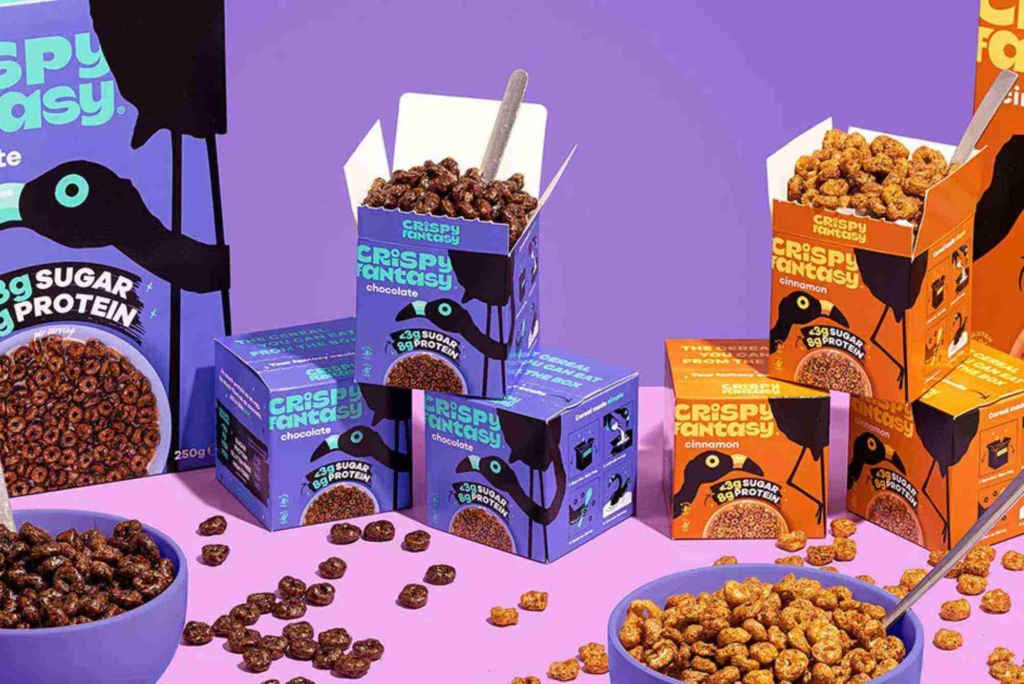
Cereal Box Design: Captivating Consumers Through Packaging
Cereal box design plays a critical role in attracting consumers, conveying brand identity, and encouraging repeat purchases. In a competitive grocery aisle, the right packaging can make your cereal stand out. From colors and typography to illustrations and messaging, every element matters in crafting a compelling cereal box design.
Importance of Cereal Box Design
Effective cereal box design is more than aesthetics; it influences consumer behavior. A well-designed box communicates quality, appeals to target audiences, and differentiates products. Studies show packaging can account for up to 70% of purchasing decisions in supermarkets.
Attracting Attention on Shelves
Bright colors, dynamic images, and bold typography capture attention immediately. Eye-level placement in stores makes visibility crucial, but design ensures the consumer picks up the product. Characters, mascots, or playful graphics often appeal to children, while clean, minimal designs may attract adults seeking healthy options.
Communicating Brand Identity
Every cereal brand has a story. Packaging should reflect brand personality, values, and target market. A family-friendly brand may use warm tones and fun graphics, while a premium brand may rely on subtle textures and sophisticated fonts. This consistent messaging builds trust and recognition.
Key Elements of Cereal Box Design
Successful cereal box design integrates several essential components.
Color Palette
Colors evoke emotions and convey brand personality. Warm yellows and reds create excitement, while blues and greens suggest freshness and health. Understanding color psychology helps designers influence consumer perception effectively.
Typography
Typography should be legible, distinctive, and align with brand identity. Fun and playful fonts attract children, while serif or minimalist fonts appeal to adults. Hierarchy is essential; the product name must be prominent, followed by supporting information like flavor or nutritional benefits.
Imagery and Graphics
High-quality imagery communicates flavor, texture, and appeal. Illustrations, mascots, or lifestyle images can engage audiences. Interactive elements, like puzzles or games on the box, enhance consumer interaction and brand loyalty.
Material and Finish
The tactile experience impacts perception. Matte finishes convey sophistication, while glossy finishes add vibrancy. Embossing or spot UV coatings enhance visual appeal. Sustainable materials can attract eco-conscious consumers and improve brand reputation.
Information Layout
Clarity is crucial. Nutrition facts, ingredients, and certifications should be visible but not overwhelming. Icons for organic, gluten-free, or vegan products make it easy for consumers to understand benefits quickly.
Trends in Modern Cereal Box Design
Packaging trends evolve with consumer preferences. Keeping designs fresh ensures relevance in the market.
Minimalist Design
Minimalist cereal box design removes clutter, using clean lines and simple graphics. This approach appeals to modern consumers seeking sophistication and readability.
Eco-Friendly Packaging
Sustainability is a major consideration. Boxes made from recycled materials or designed for easy recycling attract environmentally conscious buyers. Highlighting eco-certifications strengthens brand trust.
Interactive and Augmented Reality Features
Some cereal boxes now include augmented reality features, QR codes, or games to engage consumers digitally. This enhances brand interaction and creates a memorable unboxing experience.
Limited Editions and Seasonal Packaging
Seasonal or themed cereal boxes create urgency and excitement. Collaborations with movies, sports events, or holidays can increase sales and brand visibility.
How to Optimize Your Cereal Box Design
Creating a successful design requires a strategic approach.
Research and Audience Insights
Understanding your target audience is essential. Conduct market research to identify trends, preferences, and competitors’ approaches. Tailoring designs to consumer expectations ensures better engagement.
Prototyping and Testing
Before mass production, create prototypes to test visual appeal and functionality. Feedback from focus groups or in-store trials can provide valuable insights.
Leveraging Custom Boxes
Custom boxes allow brands to experiment with shapes, sizes, and interactive features. Working with experts in custom boxes ensures that designs meet both marketing and functional goals.
Staying Updated with Print & Finishing Insights
Keeping abreast of the latest printing techniques and finishing trends improves packaging quality. From digital printing to eco-friendly coatings, innovations enhance visual and tactile appeal.
Cereal box design is a powerful marketing tool that combines creativity, strategy, and functionality. By focusing on color, typography, imagery, and sustainability, brands can capture attention and foster loyalty. Whether creating a new product or redesigning an existing one, investing in thoughtful packaging pays off in consumer engagement and sales growth.
Ready to transform your cereal packaging? Explore expert custom boxes, learn more about innovative print & finishing insights, or find a Buddy Packaging Location near you to bring your vision to life.
FAQ
What makes a cereal box design effective?
An effective design captures attention, communicates the brand, and provides clear information.
How do colors affect cereal box sales?
Colors influence perception and emotions. Bright, vibrant colors attract children, while muted tones appeal to adults seeking premium products.
Can custom cereal boxes improve brand recognition?
Yes, unique custom boxes differentiate your brand and create a memorable experience for consumers.
What are current trends in cereal box packaging?
Minimalist designs, eco-friendly materials, interactive elements, and seasonal editions are trending.
How can I test a cereal box design before production?
Create prototypes and gather feedback from focus groups or in-store trials to refine the design.