Cartoon Label Design: A Complete Guide to Creative Branding
Cartoon label design is more than just playful artwork on packaging. It is a strategic branding tool that captures attention, tells a story, and builds emotional connections. In today’s competitive retail market, brands must stand out within seconds. A well-crafted cartoon label design can make that difference instantly.
From food jars to cosmetic bottles, cartoon-inspired graphics add personality and memorability. Moreover, they help products appeal to families, children, and even adults who appreciate bold and friendly visuals. In this comprehensive guide, you will learn how cartoon label design works, why it matters, and how to create one that truly performs.
Why Cartoon Label Design Matters in Modern Branding
Consumers make buying decisions quickly. Studies show that packaging strongly influences first impressions. Therefore, cartoon label design becomes a powerful visual shortcut. It communicates tone, target audience, and product identity immediately.
Firstly, cartoons create emotional warmth. Friendly characters build trust. Secondly, they increase recall. Shoppers are more likely to remember a product with a distinctive illustrated mascot. Finally, cartoon label design supports storytelling, which strengthens brand loyalty.
In addition, this style works across industries. Organic snacks, craft beverages, handmade soaps, and even tech accessories use cartoon visuals successfully. The key lies in aligning creativity with brand purpose.
Core Elements of an Effective Cartoon Label Design
Creating a successful cartoon label design requires more than drawing a character. Each element must support clarity and marketing goals.
Character Development
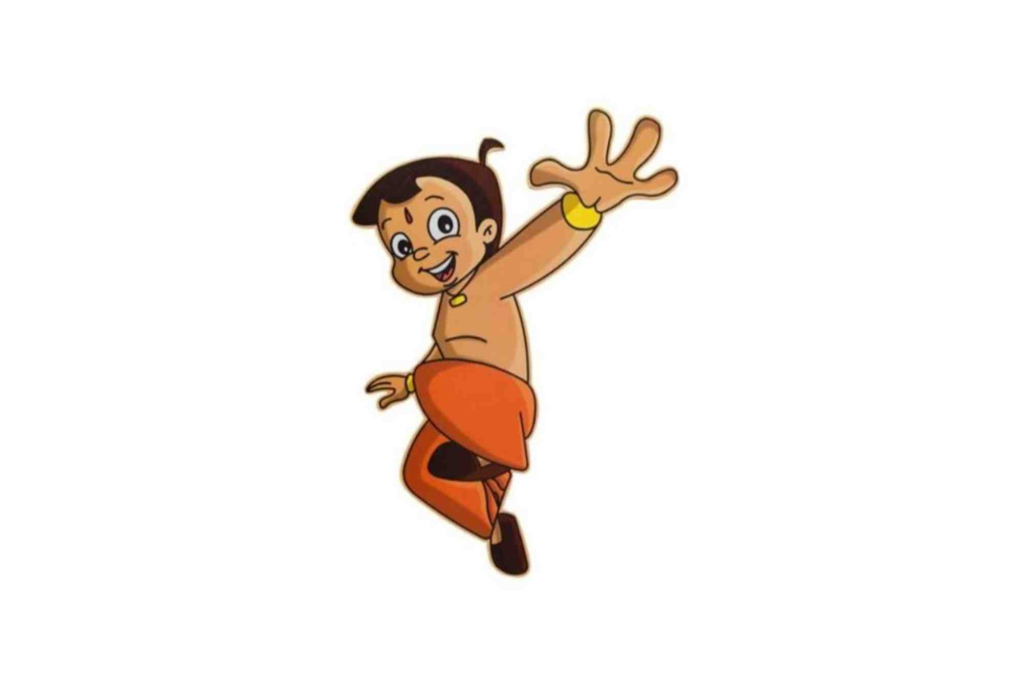
A strong character becomes the face of your brand. It could be a cheerful fruit, a witty animal, or a stylised human mascot. The character should reflect your brand voice. For example, a playful juice brand may feature a smiling orange, while a premium tea brand might use a refined illustrated figure.
Consistency is crucial. Once created, your character should appear across packaging, website graphics, and social media campaigns. This builds recognition over time.
Colour Psychology
Colour influences mood and buying behaviour. Bright tones attract younger audiences. Soft pastels feel gentle and natural. Bold contrasts increase shelf visibility.
When planning cartoon label design, choose a limited but powerful palette. Too many colours can confuse customers. Instead, select two or three primary shades that reinforce your identity.
Typography Balance
Typography must remain readable. While cartoons are playful, product information must stay clear. Use bold headings and simple fonts for ingredients or instructions. Avoid decorative fonts that reduce clarity.
The best cartoon label design blends creativity with professionalism.
Layout and Visual Hierarchy
Customers should instantly see the product name. Secondary details should follow naturally. Use size, spacing, and contrast to guide the eye. A cluttered layout weakens impact. Therefore, maintain breathing space around the cartoon character and brand name. Simplicity enhances sophistication.
Industries That Benefit from Cartoon Label Design
Cartoon label design works particularly well in certain markets. However, its adaptability makes it valuable almost everywhere. Food and beverage brands often use cartoon mascots to appear friendly and approachable. Artisan brands adopt illustrated styles to highlight craftsmanship. Children’s products rely heavily on bright characters for engagement.
Additionally, start-ups benefit greatly. A distinctive cartoon label design helps new brands compete with established companies. It offers personality without requiring massive marketing budgets. For businesses looking for professionally printed solutions, exploring high-quality Custom Labels ensures durability and vibrant colour results. Quality printing enhances the final impact of any cartoon label design.
How to Create a Professional Cartoon Label Design
Even if you are not a professional designer, you can follow a structured process.
Define Your Brand Personality
Is your brand fun, eco-friendly, premium, or educational? Your cartoon style must match this tone. For example, exaggerated features work well for playful brands. Minimalist illustrations suit sophisticated products.
Understand Your Target Audience
Designing for children differs greatly from designing for young adults. Research your audience’s preferences. Observe competitors and identify gaps in the market.
Sketch Concepts First
Start with rough sketches. Explore different character expressions and poses. At this stage, quantity matters more than perfection. Once refined, convert the design into digital format.
Focus on Print Specifications
Ensure your artwork is high resolution. Use CMYK colour mode for printing. Consider label material and finish. Matte finishes create softness. Gloss finishes enhance vibrancy.
Test Before Final Production
Print samples. View them under retail lighting. Ask for feedback from potential customers. Small adjustments can significantly improve effectiveness.
Common Mistakes in Cartoon Label Design
Although cartoon label design seems simple, many brands make avoidable errors.
Firstly, overcrowding the label reduces clarity. Keep text concise. Secondly, inconsistent character styling weakens identity. Maintain uniform proportions and expressions. Thirdly, ignoring packaging shape leads to awkward placement. Always design with container dimensions in mind.
Moreover, avoid copying popular characters. Originality protects your brand legally and creatively.
Trends Shaping Cartoon Label Design in the UK
Design trends evolve each year. In the UK market, several styles are gaining popularity.
Hand-drawn illustrations feel authentic and artisanal. Flat vector cartoons remain clean and modern. Meanwhile, retro-inspired mascots bring nostalgic charm. Sustainability messaging also influences visual style. Eco-friendly brands prefer earthy tones and nature-inspired characters. For ongoing label design inspiration, designers often explore global packaging platforms. Studying creative examples sharpens visual strategy and reveals emerging aesthetics.
The Psychology Behind Cartoon Characters on Packaging
Why does cartoon label design work so effectively? The answer lies in psychology.
Humans respond positively to faces. Even simplified cartoon faces trigger emotional recognition. Smiling characters create approachability. Expressive eyes build connection.
Furthermore, storytelling activates memory. When customers associate your product with a friendly character, they remember it longer. This emotional branding leads to repeat purchases.
Cartoon label design also lowers perceived risk. Friendly visuals make new products feel safe and accessible. This effect is particularly strong in food and wellness sectors.
Cartoon Label Design and Brand Consistency
Consistency transforms a single illustration into a recognisable brand asset. Your cartoon character should appear on social media posts, website banners, and promotional materials.
Packaging must align with digital presence. For example, if your website uses playful animations, your label should reflect similar energy. This alignment builds trust and authority.
For brands operating locally, showcasing a physical presence also strengthens credibility. Customers value transparency and accessibility. You can find Buddy Packaging Location to explore professional packaging services and understand how expert production supports creative concepts.
Sustainability Considerations in Cartoon Label Design
Modern consumers expect environmental responsibility. Therefore, cartoon label design should align with sustainable practices.
Choose recyclable materials. Use eco-friendly inks when possible. Avoid excessive plastic lamination. Communicate sustainability visually through natural themes and clear messaging.
Responsible packaging enhances brand reputation. It also meets growing regulatory expectations across the UK market.
Maximising Shelf Impact with Cartoon Label Design
Retail shelves are crowded. To stand out, contrast is essential.
Use bold outlines around characters. Ensure your brand name is legible from a distance. Test visibility at eye level. Moreover, consider how multiple units look together. A repeating character pattern can create strong shelf blocks.
Effective cartoon label design balances creativity with commercial awareness. Artistic beauty alone is not enough. It must drive purchasing decisions.
Bring Your Brand to Life
Cartoon label design is not merely decorative. It is strategic storytelling through illustration. When executed correctly, it strengthens emotional connection, enhances shelf appeal, and improves brand recall.
Discover how professional packaging can transform your brand with the best label design UK services available today. A well-crafted label not only captures attention but also builds trust and strengthens customer loyalty. From concept to print, choosing expert designers ensures your product stands out on crowded shelves while reflecting quality, creativity, and consistency across the UK market.
Frequently Asked Questions
What makes a good cartoon label design?
A good cartoon label design combines strong character development, clear typography, and strategic colour use. It should communicate brand identity quickly while remaining readable and professional.
How much does cartoon label design cost in the UK?
Costs vary based on complexity and designer experience. Simple illustrations may cost less, while detailed custom artwork requires higher investment. Printing quality and material also affect pricing.
Is cartoon label design suitable for luxury products?
Yes, when executed thoughtfully. Minimalist cartoon styles with refined colour palettes can elevate premium products without appearing childish.
How do I protect my cartoon character legally?
Register your design as a trademark or copyright. Consult a legal professional to secure intellectual property rights in the UK.
Can small businesses benefit from cartoon label design?
Absolutely. Cartoon label design offers distinctive branding without massive marketing budgets. It helps small brands compete visually with larger companies.