Care Label Design: A Complete Guide for Brands
Care label design plays a crucial role in the apparel and textile industry. It guides customers on how to wash, dry, and maintain garments correctly. A well-planned label protects your brand and improves customer satisfaction. Today, brands must focus on clarity, durability, and compliance. Care label design is not just a small detail. It is a legal and branding requirement.
In modern fashion and product manufacturing, care labels reflect quality. They also communicate trust and professionalism. From material selection to printing methods, every detail matters. This guide explains how to create effective care label design that meets legal standards and enhances brand value.
Why Care Label Design Matters
Care label design ensures customers understand how to maintain products properly. Incorrect washing or drying can damage garments. This leads to complaints, returns, and negative reviews. Therefore, clear instructions protect both the brand and the buyer.
Moreover, care labels support compliance with international textile laws. In the UK and EU, specific information must appear on labels. These details include fibre content, country of origin, and care symbols. Brands that ignore these rules risk fines or product removal.
Beyond compliance, care label design improves brand image. Customers appreciate thoughtful instructions. They also associate detailed labels with premium quality. As a result, effective labels increase customer loyalty and reduce product misuse.
Key Elements of an Effective Care Label
A strong care label design contains clear, essential information. The layout must be readable and durable. Each component plays a specific role in communication.
Fabric Composition
Fabric composition informs customers about the material. Cotton, polyester, wool, and blends require different care. Listing accurate fibre content helps customers choose proper washing methods. It also ensures legal compliance in many markets.
Care Instructions
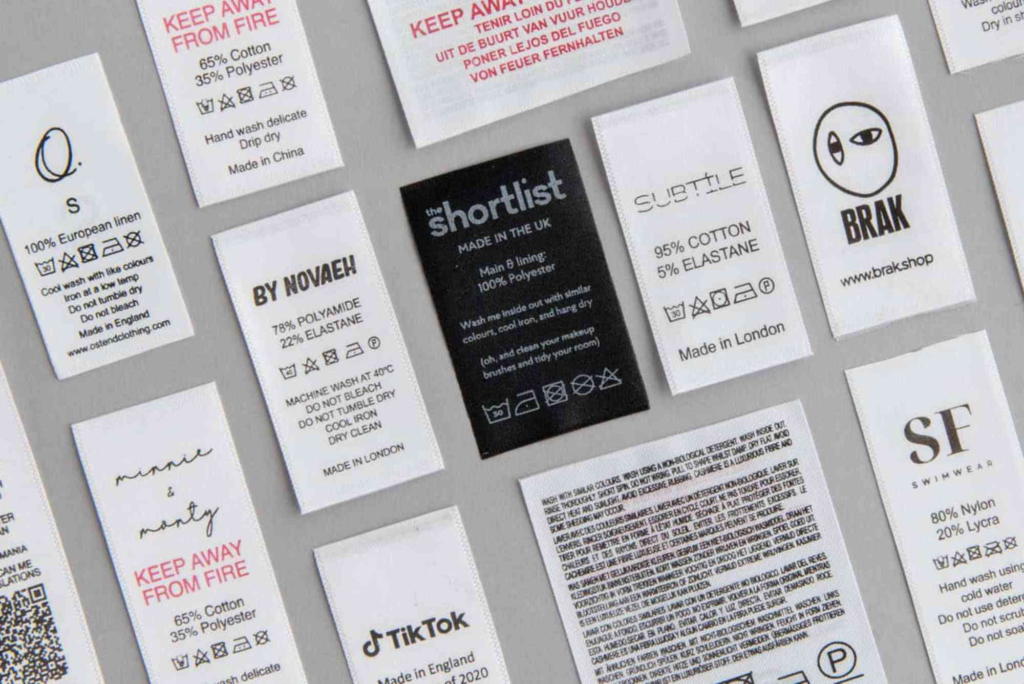
Care instructions are the core of care label design. These include washing temperature, drying methods, and ironing guidelines. Use standard symbols and simple wording. Symbols improve understanding across languages. They also make the label look professional.
Brand Identity
Many brands include logos or brand names on care labels. This supports recognition and trust. A well-designed label becomes part of the product experience. However, branding should not overpower essential instructions. Balance is key.
Size and Placement
Label placement affects comfort and readability. Neck labels are common for clothing. Side seam labels work well for detailed care information. The size should be readable but not bulky. Customers should feel comfortable wearing the product.
Choosing Materials for Care Labels
Material choice directly affects durability and comfort. Care label design must consider how the label will perform over time. Frequent washing can damage poor-quality labels. Therefore, selecting the right material is essential.
Woven Labels
Woven labels are durable and premium. They resist fading and fraying. Many luxury brands prefer woven labels for long-lasting care label design. However, they cost more than printed options.
Printed Satin Labels
Printed satin labels are soft and comfortable. They work well for garments worn close to the skin. The surface allows clear printing of instructions. These labels are common in fashion apparel.
Heat Transfer Labels
Heat transfer labels are printed directly onto fabric. They remove the need for a physical tag. This improves comfort for customers. However, the print must remain durable after washing. High-quality ink and printing methods are necessary.
Recycled and Eco Materials
Sustainability is now a priority. Many brands choose recycled polyester or organic cotton labels. Eco-friendly care label design supports brand values. It also appeals to environmentally conscious consumers.
Printing Methods for Care Labels
Printing quality determines readability and durability. Care label design must remain clear after repeated washing. Several printing techniques are widely used.
Screen Printing
Screen printing offers strong durability. It works well for large production runs. The ink bonds effectively with the label material. This ensures long-lasting instructions.
Digital Printing
Digital printing provides flexibility and detail. It suits smaller runs and custom designs. Brands can update care label design quickly. This method is ideal for fast fashion and custom products.
Thermal Transfer Printing
Thermal transfer printing creates sharp text and symbols. It is suitable for satin and synthetic labels. The method ensures clarity and resistance to washing.
Brands often rely on professional Custom Labels providers to ensure consistent quality. Using trusted suppliers helps maintain durability and compliance across all products.
Legal Requirements and Compliance
Care label design must follow regional laws. In the UK, textile products require accurate fibre content and care instructions. The use of standard washing symbols is recommended. These symbols help consumers understand care methods quickly.
EU regulations also apply to many UK brands. These rules demand clarity and accuracy. Labels must not mislead customers. Incorrect information can lead to legal action.
Moreover, care labels should remain readable throughout the product’s life. If instructions fade quickly, the brand may face complaints. Durable printing and quality materials help meet compliance standards.
Design Tips for Better Readability
Clear design improves usability. Customers should read care instructions easily. Simple typography and spacing make a difference.
Use high-contrast colours for text and background. Black text on white or light backgrounds works best. Avoid decorative fonts that reduce readability. Instead, choose clean and professional typefaces.
Keep sentences short and direct. For example, “Wash at 30°C” is clearer than long instructions. Combine symbols with short text. This ensures understanding across different languages.
White space also improves clarity. Crowded labels are difficult to read. Leave enough spacing between lines and symbols. This small detail enhances the overall care label design.
Branding Through Care Labels
Care label design can support brand storytelling. Some brands add short messages or care tips. These touches create a personal connection with customers.
For example, a brand may include a note encouraging eco-friendly washing. This aligns with sustainability goals. It also shows attention to detail.
Consistent label design across products builds recognition. Colours, fonts, and layout should match brand identity. However, clarity must remain the priority. Essential information should always be easy to find.
Sustainability in Care Label Design
Sustainability influences modern packaging and labelling. Many brands now use recycled materials. They also reduce label size to minimise waste.
Eco-friendly inks and printing processes are gaining popularity. Water-based inks are safer for the environment. They also meet many compliance standards.
Sustainable care label design benefits both brands and customers. It reduces environmental impact. It also strengthens brand reputation. Consumers increasingly prefer responsible brands.
For deeper industry knowledge, exploring print & finishing insights helps brands stay updated. Understanding printing trends ensures better decisions and improved label performance.
Common Mistakes to Avoid
Some brands overlook key aspects of care label design. Poor readability is a common issue. Tiny fonts and unclear symbols frustrate customers. Always test labels before production.
Another mistake is using low-quality materials. Labels that fade quickly damage brand trust. Investing in durable materials prevents complaints.
Ignoring legal requirements can lead to serious consequences. Always check regional regulations. Ensure all required information appears on the label.
Finally, avoid overcrowding the label with unnecessary text. Keep instructions clear and simple. Focus on what customers need to know.
Future Trends in Care Label Design
Technology continues to shape care label design. QR codes are becoming popular. They allow brands to provide detailed care instructions online. This keeps physical labels simple while offering extra information.
Smart labels with NFC technology may also grow. Customers can scan labels with smartphones. This provides care guides, brand stories, and sustainability details.
Digital printing will remain important. It allows fast updates and customisation. As fashion cycles speed up, flexible label design becomes essential.
Sustainability will also drive innovation. Biodegradable labels and eco inks will become standard. Brands that adopt these trends early gain a competitive advantage.
Care label design is essential for product quality, compliance, and branding. A well-designed label guides customers and protects garments. It also strengthens trust and brand reputation. From material choice to printing methods, every detail matters.
Brands should focus on clarity, durability, and legal compliance. Investing in professional care label design ensures long-term benefits. Customers notice thoughtful details. They appreciate clear instructions and quality materials.
If you want to improve your product presentation, start with better care label design. Review your current labels and upgrade materials or printing methods. Work with experienced suppliers to ensure compliance and durability. A small label can make a big difference in customer satisfaction and brand loyalty.
Take the next step today. Evaluate your labels and create a care label design that reflects quality, trust, and professionalism.
Strong branding starts with thoughtful Skincare Label Design that reflects your product’s quality, ingredients, and values. A well-crafted label helps your skincare range stand out on crowded shelves while building trust with customers. From clean typography to compliant ingredient listings, professional design ensures your packaging looks polished, informative, and aligned with UK market standards, helping your brand create a lasting impression and drive customer loyalty.
FAQs
What information must appear on a care label
A care label should include fibre composition, washing instructions, drying methods, and ironing guidance. It may also include the country of origin and brand name.
Are care labels legally required in the UK
Yes, textile products must include accurate fibre composition and care instructions. Labels must remain readable and not mislead customers.
Which material is best for care labels
Satin and woven labels are popular choices. Satin offers comfort, while woven labels provide durability. The best option depends on the product.
Can care labels be eco-friendly
Yes, many brands use recycled polyester, organic cotton, and water-based inks. Sustainable care label design reduces environmental impact.
How do I make care labels more durable
Use high-quality materials and professional printing methods. Test labels through multiple washes to ensure readability.