Car Woofer Box Design: A Complete UK Guide for Deep, Accurate Bass
Designing the perfect car woofer box is one of the most important steps in achieving powerful, clean, and distortion-free bass inside your vehicle. Whether you are building a custom system or upgrading your factory setup, understanding proper car woofer box design helps you unlock the true potential of your subwoofer. Many people assume that a high-quality woofer alone guarantees good bass, but the enclosure you place it in has an even greater impact on performance. The box controls air movement, frequency response, sound pressure, and tonal accuracy—making it crucial for producing high-quality low frequencies.
In this guide, you will learn everything about designing a woofer box, from enclosure types to tuning, materials, and placement techniques. You will also discover practical insights drawn from real installation experience, ensuring that every piece of information is genuinely helpful. By the end, you will understand the science behind car woofer box design and how to build or choose the right enclosure for your specific goals.
Understanding the Role of a Woofer Box
A woofer box is not simply a container for the speaker. It controls the air behind the subwoofer cone, stabilises movement, enhances output, and prevents sound cancellation. When designed properly, it boosts bass clarity, protects the subwoofer, and ensures accurate frequency reproduction. Without a well-engineered box, even the best woofer will sound weak or distorted.
The right box shape, size, and tuning rely on physics. Bass waves are long and require space to develop. A properly designed enclosure gives them room to move while keeping them controlled. This is why enclosure volume and air pressure matter so much in car woofer box design.
Types of Car Woofer Boxes
Choosing the right box type affects the overall sound profile of your system. Different drivers work better in different enclosure styles, so always check the manufacturer’s RMS and volume recommendations before designing your box.
Sealed Woofer Enclosures
Sealed boxes are airtight and offer tight, accurate bass. They do not exaggerate low frequencies but instead provide clean output with good transient response. A sealed box is ideal if you prefer detailed, controlled sound rather than booming bass. Many audiophiles choose sealed designs for daily driving because they maintain precision even at high volumes.
Ported (Bass-Reflex) Woofer Enclosures
A ported woofer box uses a vent to increase air movement and boost efficiency. These enclosures deliver louder bass compared to sealed boxes and are excellent for low-frequency performance. They require precise tuning of port length and diameter to avoid distortion or air turbulence. If you enjoy strong, deep, and resonant bass, a well-designed ported box is the ideal choice.
Bandpass Enclosures
Bandpass boxes combine sealed and ported chambers in one enclosure. These boxes are highly efficient and produce very loud bass within specific frequency ranges. However, they are more difficult to design and not recommended for beginners. Bandpass boxes perform well for show systems or SPL competitions, but they do sacrifice accuracy at times.
Key Factors in Car Woofer Box Design
Correct Box Volume
Every subwoofer requires a specific internal volume to operate correctly. Too small, and the woofer becomes stiff, reducing bass output. Too large, and the cone loses control, causing distortion or damage. Manufacturers usually provide recommended volumes for sealed and ported enclosures. Always measure your internal air space after subtracting material thickness and displacement from bracing and the woofer itself.
Material Selection
The material of the box affects durability and sound performance. MDF (medium-density fibreboard) is the most common choice for car woofer box design because it is dense, strong, and vibration-resistant. A thickness of 18mm or higher is ideal for most subwoofers. Plywood is lighter and moisture-resistant but less dense. Avoid cheap chipboard, as it vibrates excessively and weakens over time.
Bracing and Reinforcement
Bass energy puts a lot of pressure on enclosure walls. Without internal bracing, panels may flex, reducing sound quality. Adding wooden braces strengthens the box and improves acoustic stability. Proper bracing ensures the enclosure remains rigid even at high volumes, maintaining clean bass output.
Port Tuning (For Ported Boxes)
Tuning the port is one of the most technical elements in car woofer box design. The port size affects airflow, low-frequency response, and sound pressure. A poorly tuned port causes chuffing, distortion, or uneven bass response. Calculating port length using tuning formulas ensures optimal airflow and strong bass at the target frequency.
Woofer Positioning on the Box
The location of the woofer on the enclosure impacts airflow and resonance. Placing the woofer at the centre of the front face is common because it provides balanced pressure distribution. For vehicles like hatchbacks or SUVs, positioning the woofer facing the boot often results in louder bass due to reflective surfaces.
Box Shape and Internal Symmetry
Avoid perfectly square internal dimensions, as they encourage standing waves. Slightly varied dimensions reduce unwanted resonance and ensure smoother bass reproduction. Many professional installers slightly angle internal panels to eliminate fluttering and reflections.
Placement of the Woofer Box Inside the Car
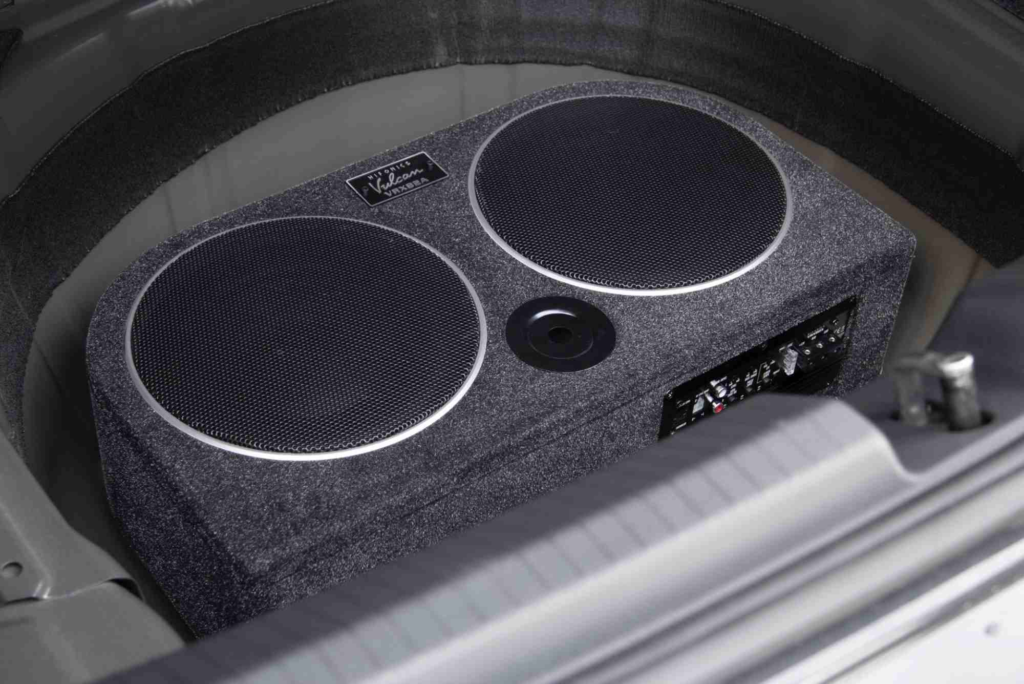
Placement affects bass projection and sound pressure. In most vehicles, installing the woofer box in the boot facing outward or upward gives the most consistent results. Hatchbacks often produce the strongest low frequency output because they allow sound to travel freely into the cabin.
Placing the woofer box directly behind the rear seats improves accuracy but may reduce loudness. Experimentation helps you find the ideal balance based on your preferred sound.
Finishing and Aesthetic Considerations
A well-finished woofer box not only performs well but also enhances your vehicle’s interior. You can carpet the enclosure, paint it, or wrap it in vinyl. If you want to customise your woofer enclosure further, pairing it with Custom Boxes from trusted providers can help you personalise your design. Here is a useful internal resource to explore:
Practical Box Design Tips
If you want to explore deeper techniques or professional guidance, many experts share excellent box design tips online. A recommended resource for creative design guidance is:
Using expert-verified advice helps you avoid common mistakes and ensure that every detail of your enclosure supports the performance of your woofer.
Common Mistakes to Avoid in Car Woofer Box Design
One of the most common errors is building a box too small or too large for the subwoofer. People also often forget to subtract displacement, which leads to incorrect internal volume. Another mistake is ignoring port noise; sharp edges around the port cause airflow issues and audible turbulence. Poor sealing around joints also reduces pressure and affects sound output. Using the wrong screws or adhesive may weaken the box and cause air leaks. Always double-check your measurements, seals, and bracing before mounting your subwoofer.
Maintenance and Longevity Tips
A woofer box lasts many years if built and maintained properly. Avoid exposing it to moisture, especially if your boot gets damp. Check screws periodically, as heavy bass can loosen them over time. Inspect your woofer surround and terminals occasionally to ensure everything remains tight and secure. Proper care ensures consistent sound quality throughout the lifespan of the enclosure.
FAQs
What type of box makes a subwoofer sound louder?
A ported box generally makes a subwoofer sound louder because it increases efficiency and enhances low-frequency output through tuned ventilation.
Is a sealed box better than a ported box?
A sealed box offers tighter and more accurate bass, while a ported box delivers louder and deeper bass. Your choice depends on your listening preferences.
Does the shape of a subwoofer box matter?
Yes, the shape influences sound quality and eliminates standing waves. Well-designed shapes improve resonance control and bass clarity.
Can I build a woofer box without calculations?
You can, but the results won’t be optimal. Proper calculations ensure correct volume, airflow, and pressure, which directly affect bass quality.
Where should I place my woofer box in my car?
Most cars perform best with the box in the boot facing outward or upward. Hatchbacks may offer stronger bass when the woofer faces the rear glass.
Designing an effective car woofer box requires understanding acoustics, measurements, materials, and airflow. When built correctly, your enclosure transforms your listening experience, delivering powerful and accurate bass that elevates your entire car audio system. Whether you prefer clean, tight bass or deep, room-shaking low frequencies, the perfect woofer box makes all the difference.
If you are ready to build your enclosure or enhance an existing setup, explore professional resources, get expert advice, and choose materials that match your goals. Start designing your ideal woofer box today and enjoy premium sound quality every time you drive.