
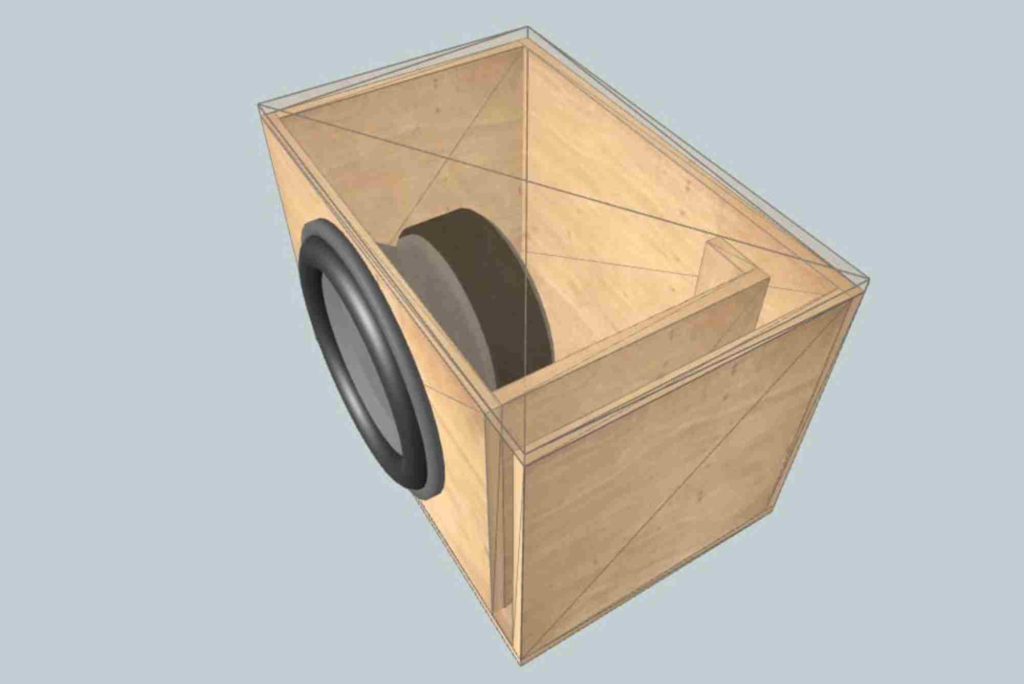
Car Sub Box Design: A Complete Expert Guide for Deep and Clean Bass
Designing a perfect car sub box requires skill, precision, and a clear understanding of how sound behaves in a confined space. When the car sub box design is done correctly, the subwoofer delivers deeper bass, tighter response, and cleaner audio performance. Many people assume sub box design is only about building a box, but in reality, it involves acoustics, tuning, power handling, and enclosure volume. This guide explains everything you need to know with practical insights based on real-world audio installation experience.
What Makes Car Sub Box Design So Important
A subwoofer needs a properly tuned enclosure to move air efficiently. Without the right car sub box design, even the most expensive sub will sound weak, muddy, or distorted. Because bass frequencies are longer and heavier, the enclosure controls the movement of the woofer cone. As a result, a good design improves clarity, loudness, and overall durability. While exploring enclosure options, you will come across sealed, ported, and bandpass designs, each working differently based on your goals.
Understanding Different Types of Car Sub Box Design
Sealed Sub Box Designs and Their Benefits
A sealed sub box design is the simplest and most accurate option. It produces clean, tight, and punchy bass. Installers choose sealed boxes for sound quality because the air inside the box acts as a shock absorber. Sealed designs work well in small cars due to compact size. The main drawback is that they require more power to achieve high volume. Still, they remain the top choice for listeners who prefer clarity.
Ported Sub Box Designs for Louder and Deeper Bass
A ported or vented sub box uses an opening that allows air to escape. This increases efficiency and boosts low-frequency output. Ported car sub box design is ideal for people who want louder bass with less power consumption. Tuning the port length and diameter is critical because even a small error can cause port noise or frequency dips. Builders often use tuning calculators or software to ensure accuracy.
Bandpass Sub Box Design for Maximum Output
A bandpass design is more advanced and works like a tuned chamber. The woofer is seated inside the box and only the port releases sound. This creates extreme output at a specific frequency range. Bandpass designs are harder to build because they are less forgiving with errors. When constructed correctly, they deliver impressive bass levels, making them popular for competition speakers.
Key Factors That Influence Car Sub Box Design
Importance of Box Volume in Performance
Every subwoofer has a recommended enclosure volume. If the volume is too small, the subwoofer becomes restricted. If it is too large, the cone loses control and may distort. The right volume ensures smooth cone movement and balanced sound. Always check the manufacturer’s specifications before building.
Material Selection and Build Quality
A strong sub box eliminates vibrations and improves bass response. Most installers use medium-density fiberboard because it is dense and resistant to bending. Thicker wood panels add weight but reduce resonance. Internal bracing is also helpful for larger boxes to maintain shape at high volume.
Tuning Frequency and Airflow
Tuning determines the behavior of the box. A low tuning frequency gives deeper bass, while higher tuning improves punch. Airflow should also remain smooth inside the enclosure. Poor tuning leads to chuffing or unwanted noise. Experienced builders use test tones to verify performance after building.
Practical Tips for Better Car Sub Box Design
Ensuring Strong Joints and Airtight Seals
A sealed enclosure must be perfectly airtight. Even a tiny leak weakens bass output. Using wood glue, silicone, and screws helps maintain a proper seal. Buddy Packaging Location Ported boxes also benefit from well-sealed joints to avoid pressure loss.
Positioning the Sub Box Inside the Car
Placement affects sound greatly. In most cars, the subwoofer performs best when facing the rear of the trunk. This allows bass waves to bounce effectively inside the cabin. SUVs and hatchbacks often perform well with the woofer facing upward.
Using Professional Tools and Measuring Devices
Installing professionals often use sound meters, enclosure calculators, and modeling tools. These tools make it easier to predict bass performance accurately before building. This reduces trial and error and ensures consistent results.
Mistakes to Avoid in Car Sub Box Design
Ignoring Manufacturer Guidelines
Many users skip the manual and choose random box sizes. This harms performance because every subwoofer is built differently. Following guidelines ensures proper cone movement and frequency response.
Over-Tuning the Port
A common mistake is tuning the port too high. This causes loud but sloppy bass. Proper tuning offers a balanced sound without distortion. Installers test different tuning frequencies to find the best results.
Using Weak or Thin Material
Light materials vibrate easily and cause rattling. Using lower-quality materials shortens the life of the box. A good design prioritizes stability and acoustic accuracy.
Extra Insight from Real-World Installation Experience
Having installed dozens of car audio systems, one thing stands out. A well-built box can improve a budget subwoofer more than a high-end sub in a poorly built enclosure. Builders who take time to measure, tune, and test always achieve better sound. Custom shops also experiment with advanced finishing options to make sub boxes visually appealing. People interested in professional craftsmanship often explore Custom Boxes to understand how material strength and structure add durability. Audio builders who enjoy fine-tuning designs also research print & finishing insights to improve external texture and aesthetic appeal. If you plan to visit a professional installer, checking a Buddy Packaging Location nearby can help you evaluate build quality in person.
How to Choose the Right Car Sub Box Design for Your Needs
For Pure Sound Quality
A sealed enclosure is ideal for listeners who want accuracy. It works for jazz, classical, and vocals because it produces tight and clean bass.
For Heavy Bass Lovers
A ported design is perfect for hip-hop, EDM, and deep bass music. It offers more volume with less power. If you enjoy vibration and thump, this is the right choice.
For Competitions and Extreme Output
A bandpass box is the way forward. With the right tuning, it creates unmatched output. However, it requires professional expertise for best results.
Frequently Asked Questions About Car Sub Box Design
What type of box gives the deepest bass?
Users often ask which enclosure produces the deepest frequencies. A ported box generally delivers deeper bass because of increased efficiency and airflow. Lower tuning frequencies also help achieve deeper sound.
Does a bigger box make the sub louder?
People wonder if more volume leads to more loudness. A bigger box makes the subwoofer move more freely, but too much volume reduces control. The result may become muddy instead of loud. Proper volume matters more than size.
Can I put any sub in any box?
Another common question involves compatibility. Not all subs work in every box type. Each subwoofer has recommended enclosure specifications. Ignoring these guidelines leads to poor performance or even damage.
Is wood thickness important for sub box design?
Users also ask whether material thickness makes a difference. Thicker wood reduces vibration and improves bass quality. Most professional boxes use strong and dense materials for stability.
Should the sub face the rear or front of the car?
Many ask about placement direction. Facing the rear creates better reflections and smoother bass waves in most cars. Hatchbacks and SUVs sometimes work well with upward-facing subs.
A well-engineered car sub box design transforms any audio system by adding power, depth, and clarity. When you understand enclosure types, volume, tuning, and materials, building or selecting the right box becomes much easier. print & finishing insights If you want cleaner bass, longer subwoofer life, and a rich audio experience, follow the principles explained here. To take your setup to the next level, consider consulting an audio professional or exploring high-quality custom enclosure services.