
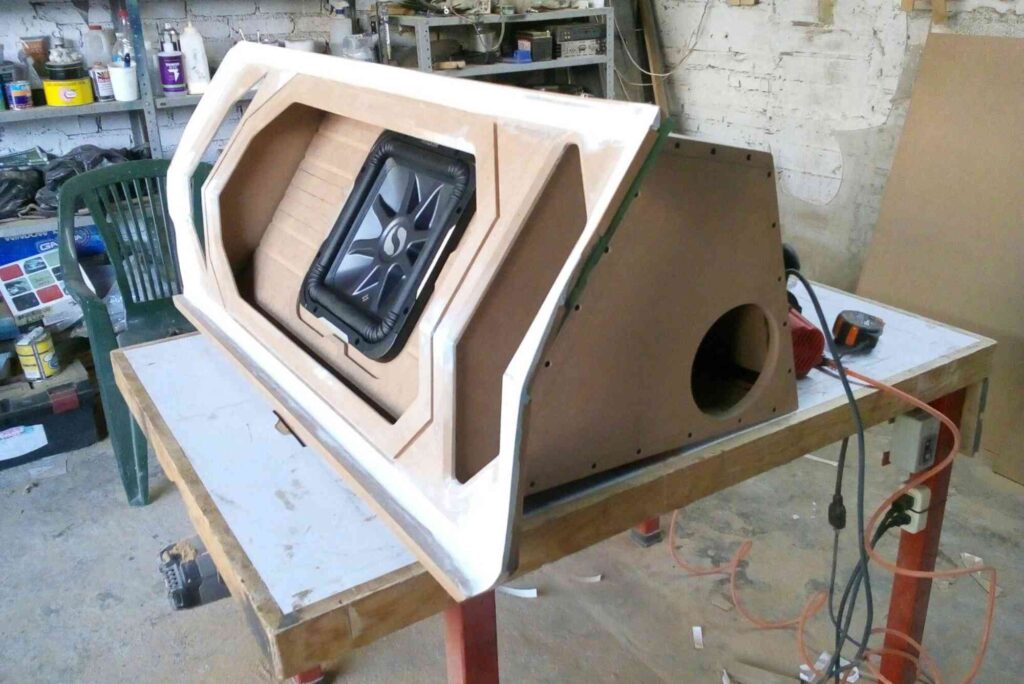
Introduction
Car audio box design is one of the most important factors in achieving strong bass, clean sound, and balanced performance in any vehicle. Many people upgrade their speakers and amplifiers but ignore the enclosure, even though the box design determines how the subwoofer actually behaves. A well-designed enclosure improves accuracy, reduces distortion, and maximizes output. In this guide, you’ll learn everything you need to know about car audio box design, from enclosure types to tuning, materials, installation, and expert-level tips.
Why Car Audio Box Design Matters More Than You Think
The car audio box design affects sound clarity, air movement, and resonance. A perfect setup allows your subwoofer to move freely without losing energy. Poor design causes rattles, muddy bass, and weak sound. With the right approach, even a basic subwoofer can sound professional.
Understanding Car Audio Box Design Basics
Choosing the Right Box Type
Selecting the right enclosure style is the first step toward effective car audio box design. Each enclosure offers different sound characteristics.
Sealed Boxes
A sealed box focuses on tight and accurate bass. It gives a clean sound with less boom. This design works best if you prefer clarity over loudness.
Ported Boxes
Ported boxes use vents to increase air movement. They provide louder, deeper bass. This car audio box design is great for hip-hop, EDM, and heavy bass tracks.
Bandpass Boxes
A bandpass box combines sealed and ported chambers. It boosts output within a narrow frequency range. This enclosure works well for extreme bass lovers.
How Box Size Impacts Car Audio Performance
Internal Volume
Internal volume determines the movement of air. Too much space weakens the bass. Too little space causes distortion. Follow your subwoofer’s manufacturer guidelines to get the correct volume.
Shape and Dimensions
The shape affects airflow and pressure. A rectangular box is common because it distributes sound evenly. Avoid long, narrow designs as they create standing waves.
Material Thickness
A box needs strong walls to prevent vibration. Thick MDF is the most popular material. It is strong, dense, and minimizes flexing. Most experts use ¾-inch MDF, while high-power setups need 1-inch thickness.
Advanced Car Audio Box Design Principles
Bracing for Stability
Bracing strengthens the box from the inside. It reduces wall movement and prevents distortion. Strong bracing lets your subwoofer deliver clean bass even at high power.
Dampening the Interior
Lining the interior with polyfill or acoustic foam smooths airflow and absorbs unwanted resonance. Polyfill tricks the subwoofer into “thinking” the box is slightly larger.
Perfect Port Tuning
Port tuning determines how low your bass will sound. A well-tuned port increases efficiency and output. You adjust tuning by changing port length and diameter. Lower tuning creates deeper bass. Higher tuning increases punch.
Car Audio Box Design for Different Music Styles
For Bass-Heavy Music
Choose a ported or bandpass enclosure tuned low. This creates deep vibrations that carry across the car.
For Rock and Vocals
A sealed box is ideal. You get clean notes, tight response, and no boominess.
For Balanced Listening
Select a medium-sized ported box with moderate tuning around 32 Hz to maintain clarity and power.
Practical Tips for DIY Car Audio Box Design
Measure Your Trunk Space
Before building a box, measure your available space. Leave room for wires, ventilation, and amplifier placement.
Use Strong Sealants
Air leaks ruin performance. Use silicone sealant on all edges and corners.
Keep the Subwoofer Facing the Right Direction
In most cars, subwoofers sound best when facing the trunk. This position uses natural car acoustics to enhance bass.
Don’t Forget Car Safety
Secure the box tightly. A loose box can move during driving or braking.
Real-World Experience: What Experts Recommend
Professionals suggest building a box based on your goals. If your amplifier and subwoofer are powerful, use thicker materials and stronger bracing. If your trunk is small, choose a sealed box. If you want show-level bass, select a ported enclosure with precise tuning.
Design Inspiration and Additional Resources
If you need ideas for shapes, materials, or creative builds, explore box design inspiration to spark creativity.
For custom prints or add-ons like decals, check Custom Boxes to personalise your project.
If you’re looking for help in person, you can check the Buddy Packaging Location for directions.
Common Mistakes in Car Audio Box Design
Using the Wrong Box Type
A loud sub in a sealed box may feel weak. A ported box with the wrong tuning may sound muddy.
Poor Measurements
Measurement mistakes lead to incorrect internal volume. This reduces performance.
Thin Materials
Thin boards vibrate. This ruins bass clarity.
Ignoring Air Leaks
Even small leaks reduce pressure and sound quality.
Car Audio Box Design for Small Cars
Compact Sealed Enclosures
These fit well under seats or in small trunks.
Shallow-Mount Subwoofers
These subs need smaller boxes and still deliver solid bass.
Creative Shapes
Triangular and wedge designs maximize floor space.
How to Improve Sound Without Rebuilding the Box
If your box already exists, you can still improve performance.
Add Polyfill
It enhances depth and smoothness.
Strengthen Corners
Add braces or metal L-brackets.
Re-apply Sealant
Stops leaks and improves pressure.
Upgrade Wiring
Thicker wiring ensures you get full power.
FAQs
What is the best box design for car audio?
The best box design depends on your music taste and space. Sealed boxes give accuracy, while ported boxes give louder bass.
Does a bigger box mean more bass?
Not always. Oversized boxes reduce control and damage the subwoofer. Correct volume is essential.
Is a sealed or ported box better for sound quality?
A sealed box offers better sound quality and accuracy. A ported box focuses on loud output and deeper bass.
Can I use any wood for a subwoofer box?
MDF is the best choice because it is dense and strong. Avoid soft woods as they vibrate.
How do I choose the right box size?
Use the manufacturer’s recommended volume. This ensures the subwoofer performs correctly.
A good car audio box design can transform your sound system. With the right materials, precise calculations, and smart tuning, you can create deep, clean bass that makes every drive better. Whether you’re building your first enclosure or upgrading an old one, the right design will help your subwoofer perform at its best.