
Introduction
In today’s competitive marketplace, first impressions matter more than ever. Consumers are overwhelmed with choices, and often, packaging is the deciding factor in purchasing decisions. Effective brand packaging design is more than wrapping a product in a box; it is an essential storytelling tool that conveys a brand’s identity, values, and promise. When done correctly, packaging not only protects the product but also strengthens customer loyalty and boosts recognition in crowded retail spaces.
This article explores the importance of brand packaging design, its role in branding, the latest trends, best practices, and answers to frequently asked questions. Whether you are a small business owner or part of a large enterprise, understanding packaging design will help you elevate your products and make a lasting impact on customers.
Why Brand Packaging Design Matters
Packaging design has moved far beyond being functional. It is now a critical marketing strategy that influences emotions and buying behavior. Consumers often form perceptions about product quality based on how it looks on the shelf. Elegant, well-crafted packaging suggests premium quality, while poor design can diminish even the best products.
Packaging acts as a silent salesperson, working 24/7 to communicate value. Think of brands like Apple or Coca-Cola; their packaging is instantly recognizable and aligned with their overall identity. That alignment builds trust, enhances recall, and differentiates them from competitors. When customers feel a personal connection through design, they are more likely to return for repeat purchases.
The Core Elements of Effective Brand Packaging Design
Visual Identity and Branding
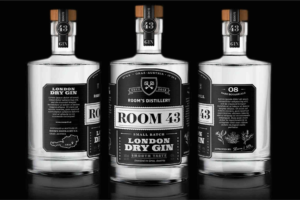
A strong packaging design starts with a cohesive visual identity. Logos, colours, fonts, and imagery must align with brand guidelines. These visual cues help consumers recognize the product instantly. For example, Tiffany’s robin-egg blue box is iconic and communicates elegance without words. Consistency across packaging also builds credibility and consumer trust.
Functionality and Practicality
Beyond looks, packaging must be practical. It should protect the product during shipping, be easy to open, and provide convenience in storage or usage. Many brands also integrate sustainable materials to meet consumer demand for eco-friendly solutions. Striking a balance between form and function ensures a positive experience from the moment the customer receives the product.
Storytelling Through Design
Every brand has a story, and packaging is an opportunity to share it. Using design elements such as typography, colours, or graphics, brands can evoke emotions and create memorable experiences. Storytelling strengthens the bond between customers and products, making them feel part of the brand’s journey.
Trends Shaping Brand Packaging Design
Packaging is not static. Consumer expectations, environmental concerns, and technology drive trends that influence design.
Minimalist and Clean Designs
Minimalist packaging remains a powerful trend. Clean lines, simple typography, and uncluttered visuals convey sophistication and trust. Many luxury brands rely on minimalism to highlight quality and exclusivity.
Sustainable and Eco-Friendly Packaging
Sustainability is no longer optional. Consumers prefer brands that care about the environment. Using recyclable, biodegradable, or reusable materials communicates responsibility. Sustainable design also helps reduce waste and aligns with modern values.
Personalization and Custom Packaging
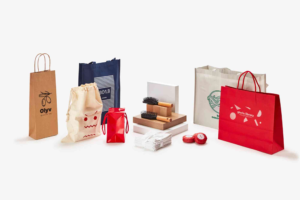
With technology, brands can now personalize packaging at scale. From limited-edition prints to personalized messages, customers appreciate packaging tailored to them. Custom Packaging solutions are increasingly popular as they allow businesses to showcase uniqueness and create stronger connections.
Smart Packaging
Technology has also entered packaging design. QR codes, NFC tags, and augmented reality features make packaging interactive. Customers can scan a code to learn about ingredients, origin, or promotional offers, enhancing the buying experience.
Best Practices in Brand Packaging Design
Understand Your Audience
Design decisions must be rooted in consumer behavior. Research who your customers are, what they value, and how they perceive your product category. Packaging that appeals to millennials may not work for older generations, so tailoring the design to your audience is crucial.
Balance Creativity with Clarity
While creativity grabs attention, clarity drives sales. Packaging should clearly communicate what the product is, its benefits, and why it is better than competitors. Overly complex designs may confuse customers, while straightforward messaging builds trust.
Incorporate Practical Details
Practical details like resealable closures, ergonomic shapes, or tamper-evident seals enhance user experience. Small touches can make packaging more functional and memorable.
Test Before Launch
Prototyping and testing packaging designs with real customers can provide valuable insights. Feedback helps identify weaknesses and ensures that the final product resonates with its target market.
For further guidance, you can explore packaging design tips from creative experts that highlight practical and artistic strategies.
Common Mistakes to Avoid in Packaging Design
A great design requires avoiding common pitfalls. Overloading packaging with too much text or imagery can overwhelm customers. Ignoring sustainability may alienate environmentally conscious buyers. Inconsistent branding creates confusion and weakens identity. Finally, focusing only on aesthetics without functionality risks damaging the customer experience.
How Packaging Design Impacts Marketing and Sales
Packaging is often the first branded interaction a customer has with your product. Its influence extends beyond store shelves into online platforms, unboxing videos, and social media. Eye-catching packaging encourages sharing on digital platforms, turning customers into brand advocates. Studies show that attractive packaging can increase perceived product value, improve shelf visibility, and ultimately boost sales.
Packaging also supports brand positioning. Premium packaging communicates exclusivity, while fun and colourful designs may target younger demographics. By aligning design with marketing goals, packaging becomes a strategic tool for long-term growth.
The Role of Emotions in Packaging Design
Human decisions are not purely rational. Colours, textures, and shapes all trigger emotions that guide purchasing behavior. Warm colours can evoke excitement, while cool tones may communicate calmness. Texture and material influence perception too; matte finishes often feel luxurious, while glossy surfaces can suggest affordability. By understanding psychological triggers, designers can create packaging that resonates on an emotional level.
The Future of Brand Packaging Design
Looking ahead, technology and sustainability will continue shaping packaging design. Brands will invest in eco-friendly innovations, biodegradable plastics, and digital integration. The rise of e-commerce means packaging must also address shipping challenges while providing a memorable unboxing experience. Interactive, smart packaging will likely become mainstream, merging physical products with digital engagement.
FAQs
What is brand packaging design?
Brand packaging design is the process of creating packaging that protects a product while visually communicating a brand’s identity and values.
Why is packaging important for a brand?
Packaging influences buying decisions, builds recognition, and enhances customer experience by combining functionality with visual appeal.
How do I choose the right packaging design for my brand?
Consider your target audience, brand identity, functionality needs, and sustainability goals. Testing designs with customers also ensures success.
What are the latest trends in packaging design?
Minimalism, eco-friendly materials, personalization, and smart packaging are some of the most influential trends today.
How does packaging affect sales?
Well-designed packaging increases product visibility, creates trust, and enhances perceived value, leading to higher sales and repeat customers.
In an era where competition is fierce and customer expectations are evolving, brand packaging design plays a pivotal role in business success. It is more than a protective layer; it is a storytelling tool, a marketing strategy, and a customer experience enhancer. By aligning packaging with brand identity, embracing sustainability, and leveraging technology, businesses can stand out in crowded markets and foster stronger connections with consumers.