Brand And Packaging Design: A Complete Guide to Creating Lasting Impressions
In today’s competitive market, first impressions matter more than ever. Brand and packaging design has become one of the most powerful tools businesses can use to connect with customers, influence purchasing decisions, and build loyalty. From the way a product looks on a shelf to the emotional connection it sparks, packaging tells a story. It communicates values, creates trust, and makes a brand memorable. Companies that invest in effective design often stand out, while those that overlook it risk fading into the background.
The Importance of Brand and Packaging Design
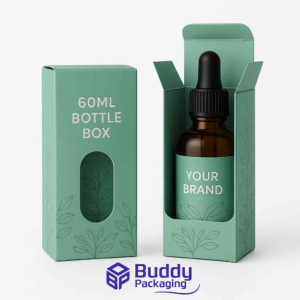
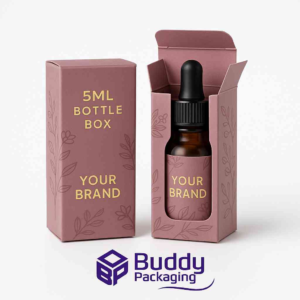
Packaging is more than just a container. It’s a silent ambassador of your brand. Every detail—from colours and typography to texture and structure—reflects your identity and influences how customers perceive you. A well-executed design adds value, differentiates products in crowded markets, and creates an emotional connection that drives repeat purchases. In fact, many consumers admit they try new products simply because the packaging appealed to them. This demonstrates that design directly impacts buying behavior, making it a strategic investment rather than a cost.
How Brand and Packaging Design Works Together
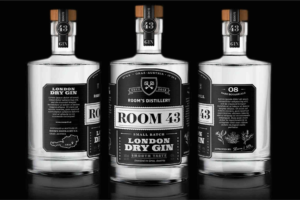
Brand identity and packaging design are inseparable. The brand sets the tone through its values, mission, and personality, while the packaging brings those elements to life visually. Together, they create a consistent experience. For instance, a sustainable brand should use eco-friendly materials and minimalist designs that reflect environmental responsibility. A luxury brand, on the other hand, benefits from premium finishes, bold typography, and sleek details that signal exclusivity. When done right, packaging reinforces brand promises and enhances recognition.
Emotional Connection Through Design
Humans are emotional buyers. While quality matters, feelings often drive decisions. Packaging that resonates with emotions—be it nostalgia, excitement, or trust—creates stronger bonds with customers. Vibrant colours may inspire joy, while earthy tones can evoke calmness and authenticity. The way a box opens or the texture of a label can even add a sense of surprise and delight. These subtle design choices deepen engagement, making customers not just buyers but loyal advocates.
Practical Function Meets Aesthetic Appeal
A balance between function and beauty is essential. Attractive packaging might capture attention, but if it’s difficult to open or doesn’t protect the product, frustration follows. Effective brand and packaging design ensures usability while still being visually appealing. For example, resealable pouches, tamper-evident seals, and ergonomic shapes all enhance the customer experience. Brands that succeed in merging aesthetics with practicality build trust and encourage repeat business.
Elements of Effective Brand and Packaging Design
Several key elements shape a powerful packaging identity.
Colours and Psychology
Colours is one of the most influential aspects of design. It triggers emotions, communicates values, and influences buying behavior. Red conveys energy and excitement, blue suggests trust, green reflects sustainability, and black often symbolizes luxury. Choosing the right palette aligned with your brand personality is vital.
Typography and Fonts
Typography sets the tone of communication. Bold, modern fonts create confidence and strength, while handwritten styles can reflect warmth and personal connection. Legibility also matters, especially on smaller packaging where consumers must quickly read product details.
Imagery and Graphics
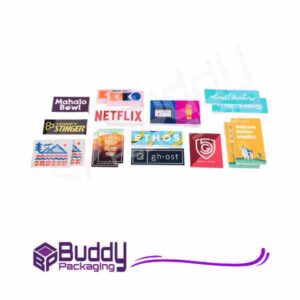
Visual storytelling helps packaging communicate at a glance. Illustrations, patterns, or photography should align with brand values and target audience. Graphics can highlight product features or reinforce a brand story, making packaging not only functional but also memorable.
Material and Sustainability
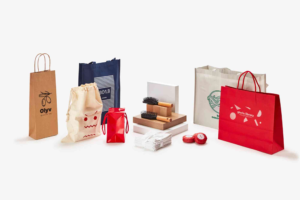
Today’s customers are increasingly eco-conscious. Using recyclable, biodegradable, or reusable materials demonstrates responsibility. This doesn’t just reduce environmental impact—it enhances brand reputation. Many businesses have found that sustainable packaging resonates with modern buyers who want to align purchases with their values.
Logo and Consistency
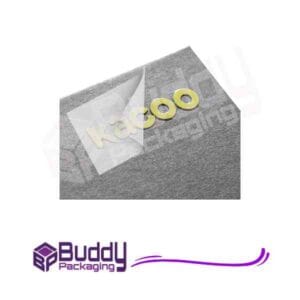
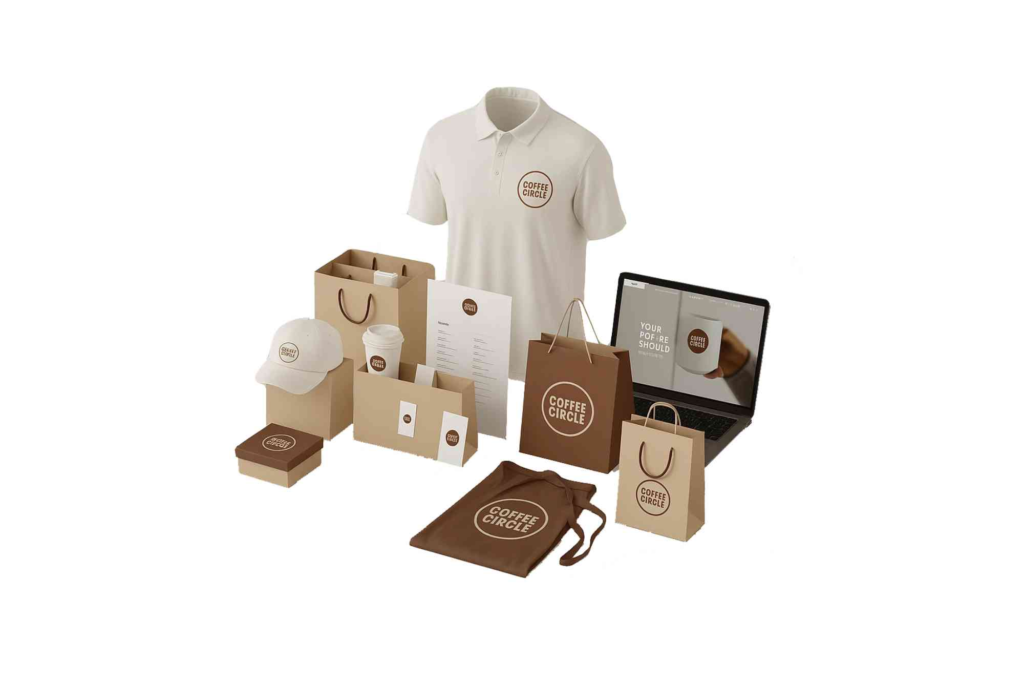
Your logo is the anchor of brand recognition. It must appear consistently across all packaging designs to build trust and recognition. A cohesive system of colours, shapes, and patterns ensures that customers can identify your product instantly, even from a distance.
Why Businesses Should Invest in Professional Design
Investing in brand and packaging design isn’t optional—it’s a necessity for growth. Professional designers understand how to merge creativity with strategy, ensuring that packaging not only looks good but also achieves business goals. Clear messaging, distinctive visuals, and alignment with target audiences create a competitive edge. Moreover, consistent and professional packaging fosters credibility, signaling to customers that your brand is reliable and trustworthy.
Digital Trends in Brand and Packaging Design
The rise of e-commerce has changed the way packaging is designed. Instead of only focusing on shelves in physical stores, businesses now must think about how their products look on screens. High-quality visuals, unboxing experiences, and shareable packaging have become priorities. Customers often post unboxing videos on social media, making packaging a marketing tool in itself. Adding QR codes or augmented reality features also allows brands to connect digitally, offering interactive storytelling and extending engagement beyond the physical product.
Real-World Examples of Effective Packaging
Some global brands set benchmarks in packaging design. Apple, for instance, has mastered minimalism by using sleek, simple packaging that reflects its premium positioning. Coca-Cola consistently reinforces its brand identity with bold colours and unique bottle shapes. Smaller businesses too can achieve this level of recognition by staying authentic to their values and ensuring their packaging resonates with target audiences.
Actionable Strategies for Businesses
To create successful brand and packaging design, companies should focus on a few strategies. First, know your audience. Understanding their preferences, expectations, and lifestyles ensures designs are tailored effectively. Second, emphasize clarity. Packaging should instantly communicate what the product is and why it matters. Third, stay innovative. Explore textures, finishes, or sustainable alternatives that set your brand apart. Lastly, test your packaging. Gather feedback from real customers before finalizing designs, ensuring they are functional, appealing, and aligned with your goals.
For businesses seeking inspiration, exploring packaging design tips can provide practical insights from industry leaders and designers. Similarly, brands considering tailored solutions can explore Custom Packaging options to create unique designs that reflect their personality and values. Companies in the UK can even connect directly through the Buddy Packaging Location to explore solutions in person.
Elevate Your Brand with Smart Design
Brand and packaging design is no longer an afterthought—it is central to business success. In a world where customers make decisions within seconds, your packaging can be the deciding factor. It tells your story, sets you apart, and creates loyalty that lasts. Whether you are a startup or an established business, investing in thoughtful design ensures your products shine both on shelves and online. If you want to take your brand identity to the next level, now is the time to act. Explore creative solutions, embrace sustainability, and connect with experts who understand how to merge design with strategy.
FAQs
Why is brand and packaging design important for businesses?
It influences customer perception, drives sales, and builds trust by creating memorable first impressions.
What makes packaging design successful?
A balance of visual appeal, practicality, and alignment with brand identity makes packaging effective.
How does packaging affect consumer behavior?
It captures attention, communicates product value, and creates emotional connections that drive buying decisions.
What role does sustainability play in packaging design?
Sustainable packaging enhances brand reputation, attracts eco-conscious buyers, and reduces environmental impact.
Do small businesses need professional packaging design?
Yes, because packaging often serves as the first interaction with customers and directly impacts credibility.