Introduction
Block printing designs have remained one of the most fascinating and enduring art forms in textile and paper decoration. From ancient civilizations to today’s modern creative industries, this craft continues to inspire designers, artists, and fashion lovers worldwide. The charm of block printing lies in its simplicity and authenticity, where every pattern carries the human touch and creativity of the artisan. In this article, we will explore the history of block printing, the techniques used, types of designs, cultural importance, and modern applications, as well as practical insights for anyone who wants to embrace this artistic tradition.
Block Printing Designs
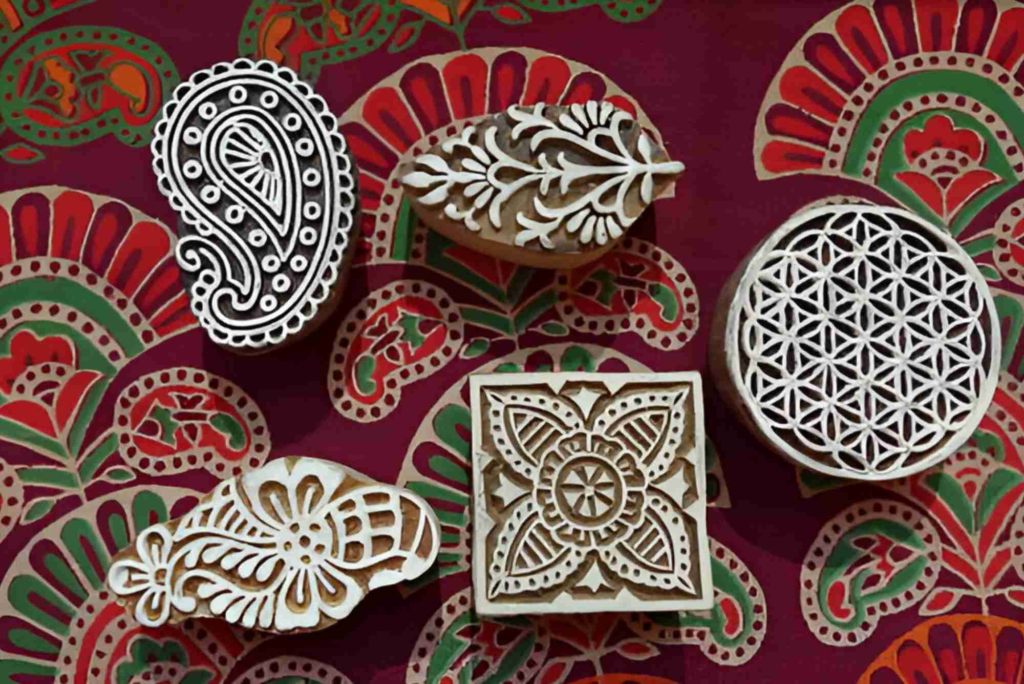
Block printing designs are created by hand-carving motifs onto wooden or linoleum blocks, applying ink or dye, and pressing them onto fabric or paper. The process may sound simple, but it requires years of skill to produce consistent and intricate results. Unlike machine printing, block printing reflects individuality, with slight variations that enhance its beauty. This craft originated centuries ago in regions like India, China, and Egypt and has spread across the globe as both a traditional art and a contemporary design method.
For those exploring creative industries such as custom packaging or personalized fashion, block printing designs offer unique opportunities to create distinctive and memorable impressions.
The History and Origins of Block Printing
Block printing traces back over 2,000 years, with early evidence found in China during the Han dynasty. It spread across Asia, where India became a central hub for developing intricate textile patterns. Indian artisans perfected natural dyeing techniques, using plant-based indigo, madder root, and turmeric to create vibrant block printing designs. These textiles traveled along trade routes, influencing design aesthetics in the Middle East, Africa, and Europe.
During the Renaissance, block printing reached Europe, where artisans began experimenting with both fabric and paper prints. By the 18th century, block-printed Indian textiles had become highly sought after in European markets, leading to a cultural exchange that shaped design traditions across continents.
Techniques Behind Block Printing Designs
Carving the Blocks
The foundation of block printing begins with carving. Skilled craftsmen etch motifs into blocks of teak wood or linoleum. Each colour in a design typically requires a separate block, making multicolour patterns a labor-intensive but rewarding process.
Applying the Ink or Dye
Natural or synthetic dyes are applied to the block using brushes or pads. Precision ensures even coverage, which is critical for achieving sharp patterns.
Printing the Fabric or Paper
The block is pressed firmly onto the chosen surface, often fabric, paper, or even walls. Artisans repeat this process with precision, aligning each block carefully to form consistent patterns.
Finishing Touches
After printing, fabrics are washed, dried, and sometimes heat-set to fix the dyes. This ensures the durability of block printing designs, making them both artistic and functional.
Popular Block Printing Designs
Block printing has evolved into countless patterns and motifs, many of which carry symbolic meaning. Common designs include floral patterns, paisleys, geometric shapes, and animal figures. In Indian traditions, motifs like lotus flowers or elephants symbolize prosperity, while geometric mandalas are used for spiritual representation.
Contemporary block printing designs often blend traditional motifs with modern minimalism. For instance, Scandinavian-inspired patterns use simple geometric lines, while Japanese block prints favor nature-inspired themes like waves, mountains, and cherry blossoms.
Cultural Importance of Block Printing
In many cultures, block printing designs are more than decoration—they represent identity, heritage, and storytelling. In Rajasthan, India, the craft is deeply linked to community livelihoods, with families passing techniques down for generations. Similarly, Japanese katazome prints use block designs in indigo dyeing as a representation of harmony with nature.
These traditions highlight how block printing is not just a craft but a cultural language that communicates values, beliefs, and artistry.
Modern Applications of Block Printing Designs
Block printing remains relevant today because of its adaptability. In fashion, block-printed fabrics are used in dresses, scarves, and home furnishings. Interior designers incorporate printed cushions, curtains, and wall hangings to create warm, handmade aesthetics.
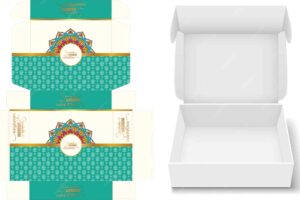
The packaging industry has also embraced block printing-inspired motifs. Brands use designs that resemble hand-carved prints to evoke authenticity and sustainability in their products. This trend aligns with consumer demand for natural, eco-friendly experiences in everything from textiles to custom packaging.
Additionally, the print industry shares valuable updates and print & finishing insights that help designers and businesses integrate traditional methods like block printing into modern workflows.
Advantages of Block Printing
One of the key strengths of block printing designs lies in their individuality. Unlike mass-produced digital prints, block prints carry imperfections that highlight their handmade charm. Other advantages include eco-friendliness, especially when natural dyes are used, and cultural value, which connects consumers with heritage craftsmanship.
For businesses, using block printing-inspired motifs can enhance brand storytelling and consumer connection. Products decorated with these designs often feel more luxurious and authentic, appealing to markets that value artistry and sustainability.
Challenges in Block Printing
Despite its charm, block printing has limitations. It is time-consuming, as every piece is printed by hand. Multicolor designs require precise alignment, making them complex and labor-intensive. Additionally, maintaining consistency across large batches can be difficult.
These challenges, however, also enhance its uniqueness. Many consumers appreciate block prints precisely because they are not machine-perfect.
How to Create Your Own Block Printing Designs
Artists and enthusiasts can experiment with block printing at home using linoleum blocks or even simple potato stamps. The key steps include sketching your design, carving it carefully, applying water-based inks, and printing on fabric or paper. Beginners may start with single-colour patterns before progressing to multi-block designs.
Workshops and online courses make block printing accessible to new learners, allowing them to engage with this historic craft in creative ways.
The Future of Block Printing Designs
Block printing is undergoing a revival in the global design world. With the rise of sustainable fashion and handmade products, consumers are showing renewed interest in traditional crafts. Many designers collaborate with artisans to preserve block printing while introducing contemporary twists. Digital platforms have also expanded the reach of block-printed products, connecting small artisan communities with international buyers.
This fusion of heritage and innovation ensures block printing designs will continue to thrive in the modern creative economy.
FAQs
What is block printing used for today?
Block printing is widely used in textiles, home décor, stationery, and packaging design. Its versatility makes it popular in both fashion and interiors.
Is block printing eco-friendly?
Yes, when natural dyes and sustainable fabrics are used, block printing is highly eco-friendly compared to mass-produced synthetic prints.
What fabrics are best for block printing?
Cotton, silk, and linen are the most common fabrics. Their smooth texture allows ink or dye to absorb evenly.
How does block printing differ from screen printing?
Block printing uses carved blocks pressed onto fabric, while screen printing pushes ink through a mesh stencil. Block printing is slower but more artisanal.
Can I try block printing at home?
Absolutely. With basic carving tools, inks, and a printing block, beginners can create simple block printing designs on paper or fabric.
Block printing designs are more than just patterns on fabric or paper—they are expressions of history, culture, and creativity. From their origins in ancient civilizations to their current revival in fashion, packaging, and interior design, block prints remain timeless symbols of human artistry. Whether you are a designer, business owner, or art enthusiast, embracing block printing can bring authenticity and sustainability into your creative projects.