Introduction
Beverage packaging design is no longer just about holding a drink. It’s about creating a brand experience, telling a story, and standing out on crowded shelves. In places like Orange Theory Mountain View, where consumers are health-conscious and trend-driven, well-executed beverage packaging can make the difference between a product that flies off the shelf and one that gets overlooked. This article explores how innovative beverage packaging design influences purchasing decisions, supports sustainability, and enhances brand identity.
Why Beverage Packaging Design Matters
Beverage packaging design directly impacts consumer perception. It’s the first touchpoint between your brand and potential customers. Beyond aesthetics, it communicates freshness, quality, and trust. For companies targeting competitive markets, this becomes an essential marketing strategy.
Strong beverage packaging design builds emotional connections. A cleverly designed bottle or can reflects the product’s personality, whether it’s a premium cold brew or a refreshing sports drink. For health-focused consumers—like those near Orange Theory Mountain View—transparent, minimal, or eco-friendly packaging signals authenticity and care for the planet.
Elements of Effective Beverage Packaging Design
Visual Identity and Branding
Visual identity includes colors, typography, and imagery that represent your brand. Bold graphics and unique shapes help consumers quickly identify your drink. Colors often evoke emotions—green for freshness, blue for purity, and orange for energy—helping you connect instantly with your audience.
Functional Design
Beyond looks, functional design makes your beverage easy to store, pour, or drink on the go. Resealable caps, ergonomic shapes, and lightweight materials create a better user experience and encourage repeat purchases.
Material Choice and Sustainability
Modern consumers increasingly demand eco-friendly packaging. Materials such as recyclable aluminum, plant-based plastics, or glass not only reduce environmental impact but also enhance perceived value. Aligning your beverage packaging design with sustainability goals can improve brand reputation and trust.
Compliance and Information
Labels must meet regulatory requirements. Clear nutritional data, certifications (like organic or fair trade), and allergen warnings build consumer confidence. Good design integrates these elements seamlessly without clutter.
The Role of Storytelling in Beverage Packaging
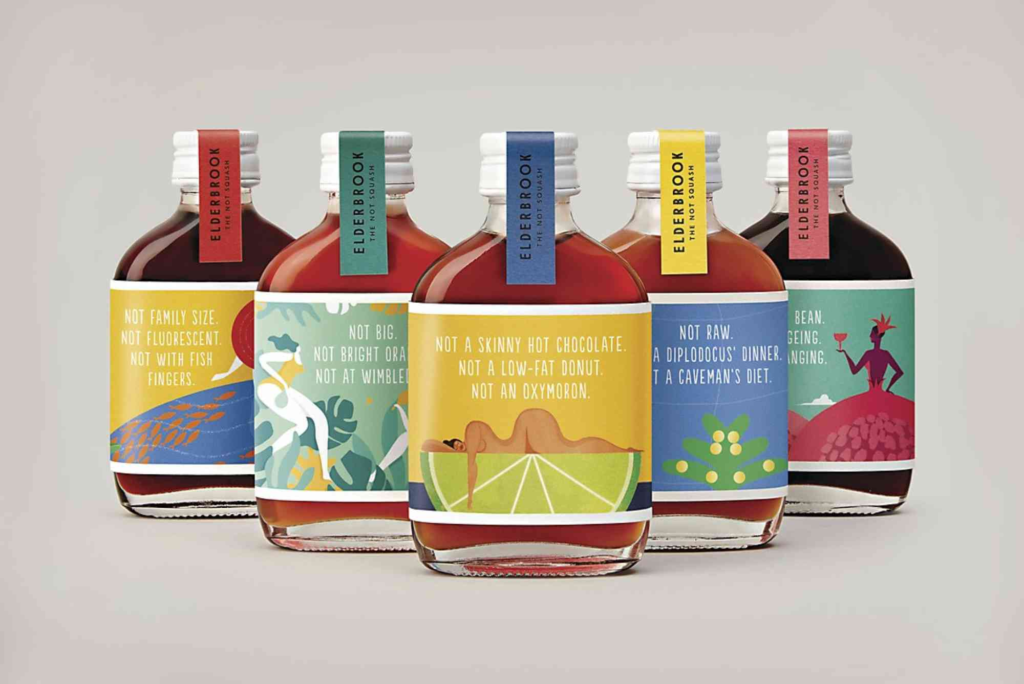
Storytelling transforms beverage packaging design into a narrative. A kombucha brand may highlight its artisan brewing process, while an energy drink can feature bold typography and edgy graphics to reflect its high-octane personality.
Adding storytelling to beverage packaging helps customers feel part of a larger community. For instance, using QR codes to link to your brand’s story or videos offers a digital experience beyond the physical package.
Beverage Packaging Design and Consumer Psychology
Color Psychology
Colors influence purchase behavior. Warm hues like orange signal vitality and excitement, perfect for workout drinks or sports beverages. Cool colors like blue or green create a sense of calm and trust, ideal for water and health-centric drinks.
Texture and Touch
Embossed logos, matte finishes, and tactile materials elevate the sensory experience. Packaging that feels premium can command higher prices and inspire loyalty.
Visibility and Shelf Impact
Retail shelves are crowded, and first impressions matter. Tall, slim cans or distinctive bottle silhouettes increase recognition. Strategic placement of logos and vibrant designs also help achieve better shelf visibility.
Case Study: Beverage Packaging Near Orange Theory Mountain View
The health and wellness trend in areas like Orange Theory Mountain View illustrates the power of beverage packaging design. Brands targeting this demographic often choose minimalist, clean packaging with transparent labels or recyclable materials to reinforce a health-forward identity. This approach aligns with consumer values and drives stronger engagement.
How to Create a Winning Beverage Packaging Design
Understand Your Audience
Research what your ideal customers value. Fitness enthusiasts may prioritize clear labeling, portability, and eco-friendly materials.
Collaborate with Experts
Working with experienced designers and printers ensures your concept translates beautifully in real life. (For industry professionals, explore print & finishing insights for expert advice.)
Test and Iterate
Prototype your designs and conduct market testing. Feedback can reveal whether your packaging resonates or needs adjustment.
Align With Brand Values
Consistency matters. From color palettes to fonts, keep your beverage packaging design aligned with your overall brand voice to build trust and recognition.
Sustainability and Innovation in Beverage Packaging Design
Today’s consumers increasingly care about sustainability. Packaging innovation—such as compostable materials or refillable systems—can position your brand as an industry leader. Investing in research for new materials and eco-conscious supply chains improves both environmental impact and brand credibility.
Retailers and customers alike respond positively to companies prioritizing green initiatives. For example, lightweight aluminum cans or post-consumer recycled plastics reduce shipping costs and carbon footprints.
Internal Links to Expand Your Knowledge
For businesses looking to elevate their packaging, explore Custom Packaging solutions for tailored designs. You can also learn more about our Buddy Packaging Location to see how we collaborate with brands locally.
Frequently Asked Questions
What makes a good beverage packaging design?
A good beverage packaging design combines visual appeal, functionality, and clear information. It should stand out on shelves, be easy to use, and communicate your brand values.
How does packaging influence beverage sales?
Packaging influences purchasing decisions by attracting attention, signaling quality, and creating brand recognition. Innovative packaging can also improve user experience and drive repeat purchases.
Which materials are best for sustainable beverage packaging?
Recyclable aluminum, glass, and plant-based plastics are popular for sustainability. These materials help reduce environmental impact and improve consumer perception.
Why is storytelling important in beverage packaging design?
Storytelling creates emotional connections with consumers. Packaging that tells a story helps your brand stand out and builds long-term loyalty.
Beverage packaging design is no longer an afterthought. It’s a strategic tool to attract customers, communicate values, and differentiate your brand. By focusing on visual identity, functionality, sustainability, and storytelling, you can create packaging that captivates and converts.