Introduction
Battery packaging design is more than just a protective cover. It’s a critical element that ensures safety, usability, and sustainability while supporting brand identity. With growing demand for electric vehicles, consumer electronics, and renewable energy storage, effective packaging solutions play a vital role in protecting batteries during transport, storage, and end use.
In this article, we’ll explore why battery packaging design matters, what makes it effective, and how innovation is shaping the future of safe and eco-friendly solutions.
Why Battery Packaging Design Matters
Battery packaging design influences both safety and consumer trust. Batteries, especially lithium-ion cells, can be hazardous if mishandled. Poor packaging increases the risk of short circuits, leaks, or even fires. Properly designed packaging ensures that batteries reach customers safely and remain intact during their entire lifecycle.
Packaging is also part of the user experience. A consumer opening a sleek, easy-to-use box perceives the product as high quality. At the same time, businesses face growing pressure to reduce waste. This makes sustainable design practices just as important as functionality.
Key Considerations in Battery Packaging Design
Safety Standards and Compliance
Batteries must meet strict international standards for packaging and transportation. Organizations such as the United Nations and the International Air Transport Association (IATA) regulate how batteries should be shipped. Packaging must prevent accidental activation, protect terminals from contact, and resist impact or compression.
Material Selection
Designers often use a combination of paperboard, corrugated cardboard, and molded plastics. The choice depends on the type of battery. For example, heavy-duty power cells require rigid boxes with internal cushioning, while consumer electronics often use compact, eco-friendly cartons. Sustainable alternatives, such as biodegradable plastics or recycled fibers, are gaining traction.
Structural Integrity
Good packaging design balances durability with efficiency. Boxes must endure drops, vibrations, and stacking during shipping. Internal partitions or trays prevent batteries from shifting. Cushioning materials like foam or molded pulp add another layer of protection while supporting sustainability goals.
Branding and Consumer Appeal
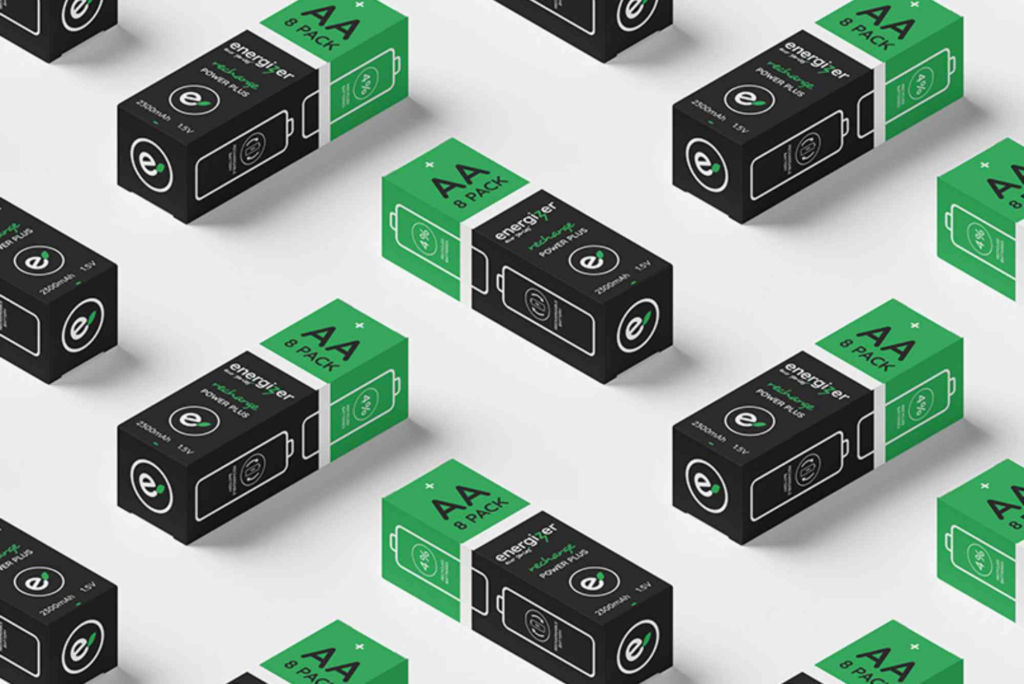
Beyond safety, packaging is a brand’s first physical touchpoint with customers. Clever graphics, premium finishes, and intuitive opening mechanisms enhance consumer perception. Incorporating elements like QR codes can also connect users to product instructions or recycling information.
Innovations Shaping Battery Packaging Design
Smart Packaging Solutions
Technology is transforming packaging. Sensors embedded in packaging can now monitor temperature or humidity during shipping. This ensures that batteries arrive in safe condition and alerts handlers if conditions become unsafe.
Sustainable Design Practices
Companies are increasingly adopting eco-friendly solutions. Recyclable cardboard, soy-based inks, and compostable films are reducing the environmental impact of packaging. This aligns with consumer expectations and government regulations around sustainability.
Ergonomic and User-Friendly Designs
Battery packaging is becoming more user-centric. Easy-open mechanisms, resealable closures, and lightweight designs improve convenience for end users while reducing waste.
Common Challenges in Battery Packaging Design
One of the biggest challenges is balancing safety and cost. Premium protective materials can raise manufacturing expenses. At the same time, packaging must remain lightweight to minimize shipping costs and carbon footprint.
Another challenge is regulatory compliance across different markets. A design that works in Europe may need modification for U.S. or Asian regulations. Designers must stay updated on evolving international guidelines.
The Future of Battery Packaging Design
As energy storage technologies advance, so will packaging requirements. The rise of electric vehicles demands packaging that supports larger and heavier batteries. Innovations in recyclable and biodegradable materials will play a central role. Companies investing in research and development will gain a competitive edge by combining safety, sustainability, and consumer appeal.
FAQs About Battery Packaging Design
What is the purpose of battery packaging design?
Battery packaging ensures safety during shipping and storage, while also supporting branding and consumer usability.
What materials are used for battery packaging?
Common materials include corrugated cardboard, molded pulp, plastics, and increasingly, eco-friendly alternatives like recycled fiberboard.
Why is battery packaging safety important?
Improper packaging can lead to short circuits, leaks, or fires. Safe design prevents these risks and ensures regulatory compliance.
How is battery packaging evolving?
The industry is shifting toward smart, sustainable, and user-friendly solutions that align with environmental goals and consumer expectations.
Are there regulations for shipping batteries?
Yes. The UN and IATA set guidelines for packaging and transporting batteries safely across different regions.
Battery packaging design is no longer just a technical necessity. It’s a strategic tool that ensures safety, enhances brand perception, and supports sustainability. With the rise of electric vehicles and renewable energy, packaging innovation is set to play an even greater role.
If you’re a business looking to enhance your packaging strategy, explore Custom Packaging solutions tailored to your product needs. For industry updates and print & finishing insights, stay connected with trusted resources. You can also visit our Buddy Packaging Location to discuss your design goals in person.