Bat Box Design UK: A Complete Guide to Creating Safe Roosting Spaces
Bat populations across the UK are declining, mainly due to habitat loss, modern construction, and reduced natural roosting sites. As a result, more homeowners, conservationists, and gardeners are exploring bat box design UK standards to support local bat species. A well-designed bat box offers bats a safe space to rest, raise young, and hibernate. This guide explains everything you need to know about building or choosing the right bat box, from materials and placement to UK regulations and conservation best practices. You will also learn about the design elements that genuinely contribute to bat health and safety.
When creating or purchasing a bat box, there is more to consider than simple woodwork. UK bats are highly sensitive animals with specific needs. Understanding insulation, temperature regulation, internal structure, and predator protection is essential. This article brings together expert insights, practical advice, and field-proven design principles to help you make an informed choice. Whether you’re a DIY builder, a wildlife-friendly homeowner, or a conservation volunteer, you will find everything you need to create a functional and long-lasting bat box.
Understanding Bat Behaviour and UK Requirements
Before choosing any bat box design UK residents should understand the behaviour of native species. There are 18 species of bats in the UK, all protected by law. Most species change roosts several times a year, depending on temperature and maternity cycles. This means that a bat box must be well-insulated, weather-resistant, and placed in a suitable microclimate. Bats prefer tight, warm spaces, similar to tree cavities or old brickwork cracks. Some species seek small crevices, while others prefer larger chambered boxes. Because bats are loyal to safe roosts, a well-built box can support generations of colonies.
It is also important to note that disturbing bats or their roosts is illegal without a licence. Therefore, once you install a bat box, avoid opening or cleaning it unless advised by a licensed bat worker. Good design reduces the need for maintenance, preventing disturbance while ensuring the bats’ long-term safety.
Key Principles of Effective Bat Box Design UK Homeowners Should Know
A successful bat box provides a stable microclimate, safety from predators, and a sturdy structure able to withstand British weather. One of the most important factors is the wood thickness. Boxes made for UK climates perform best when crafted from untreated, durable timber at least 20mm thick. This ensures the interior stays warm enough, especially during cooler months.
Roughened internal surfaces help bats grip easily. If the inside is too smooth, bats cannot climb or cling, which means they will simply ignore the box. Adding horizontal grooves or using rough-sawn timber creates a secure texture that mimics natural roosts. Ventilation also plays a crucial role. While bats enjoy warmth, they do not tolerate condensation. Small vents at the bottom help regulate moisture without allowing draughts or predators.
Another important design element is the entrance slit. A narrow entry—typically between 15mm and 20mm—keeps predators out and offers bats a safe, sheltered passage. Multi-chamber boxes are popular across the UK because they allow bats to move between temperature zones within a single structure. They are particularly useful for maternity colonies, which need stable, warm environments for pups.
Choosing the Right Materials for UK Weather
British weather is unpredictable. Rain, frost, and wind can damage poorly built boxes. That’s why the choice of construction material is crucial. Untreated hardwood or marine plywood are reliable options. Avoid treated wood, as chemicals may harm bats. Exterior plywood must be sealed on the outside only, never internally.
Additionally, many builders use weatherproof roofing materials like bitumen felt or recycled plastic sheets. These help regulate temperature and protect the timber. Over time, wooden boxes age naturally, but good-quality materials can last more than a decade.
If you prefer high-quality pre-made products, some manufacturers offer roosts designed with precision-engineered insulation. While exploring these options, you may also come across businesses offering Custom Boxes, which can be adapted to create specialist wildlife housing. In fact, such companies often provide craftsmanship that suits bat box construction, and you can learn more through this internal link:
Best Locations for Installing Bat Boxes
Even the best bat box design UK standards won’t work if the placement is wrong. Positioning your bat box correctly is just as important as building it well. Install the box at least 4 to 5 metres above the ground, away from artificial lighting. Bats dislike direct illumination and prefer dark, quiet areas. South-east or south-west orientations are ideal, as they offer morning or late-afternoon warmth without overheating.
Avoid areas with strong winds or heavy shade. If you have mature trees, placing boxes on trunks or large branches works well. However, many homeowners attach them to buildings because walls tend to hold heat better. When installing on brick, be sure the box is secured firmly with long screws to withstand storms.
It is also wise to install more than one box. Different orientations help bats find the perfect temperature throughout the year. A cluster of two to three boxes increases the likelihood of occupation within the first two seasons.
Common Bat Box Designs Used Across the UK
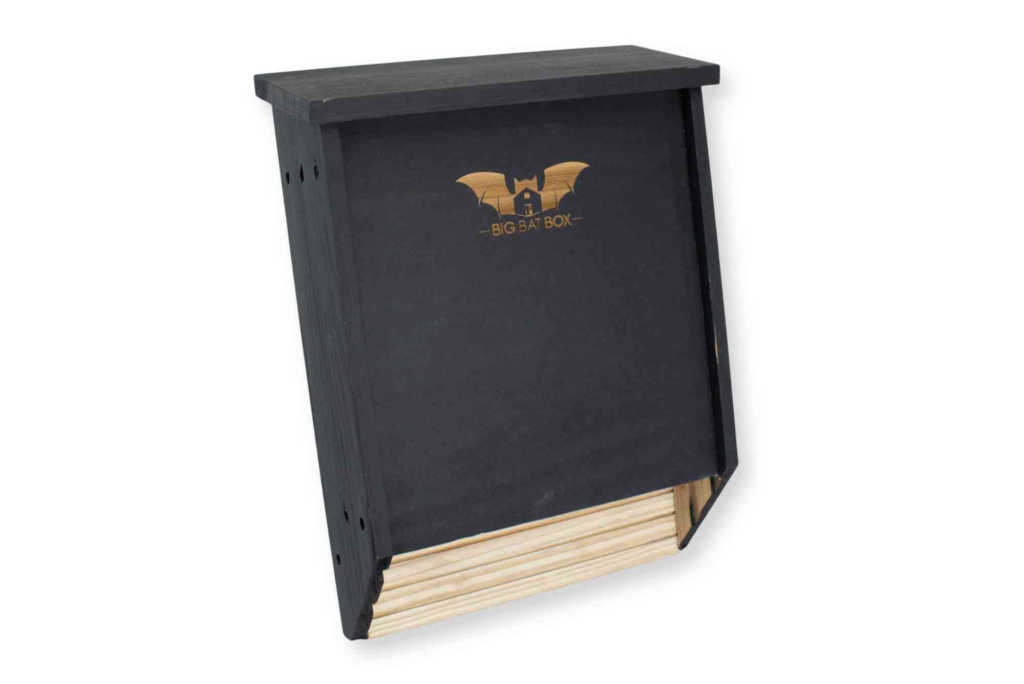
There are three main types of bat boxes commonly used in the UK. The first is the single-chamber crevice box. This design suits common pipistrelles and other small species. These boxes are compact and easy to install but may not offer enough space for large colonies.
The second type is the multi-chamber box. These are ideal for mixed colonies and for those looking to support maternity roosts. The internal partitions create a range of temperature zones. They also support larger numbers without overcrowding.
The third type is the integrated bat brick or bat tube, often installed during building construction. These units are built directly into walls and offer permanent roosts. They are discreet, durable, and ideal for long-term conservation.
Each design has its advantages. Your choice depends on available space, bat species in your area, and your conservation goals.
Ensuring Your Bat Box Meets UK Conservation Standards
Bats are protected under the Wildlife and Countryside Act 1981 and the Conservation of Habitats and Species Regulations 2017. While installing a bat box on your own property is legal, disturbing bats is not. That’s why choosing a design that requires minimal maintenance is essential.
If you want professional guidance, local bat groups are extremely helpful. They often offer site visits and can recommend appropriate designs. Many national organisations publish updated guidance on bat conservation, and exploring print & finishing insights through learned sources such as can offer additional knowledge on durable structure and finishing methods.
Following expert design principles ensures your bat box remains safe, stable, and long-lasting.
Benefits of Installing a Bat Box in Your Garden or Property
Bats are vital to the ecosystem. They consume thousands of insects per night, helping control pests naturally. Some species eat midges, while others prefer moths, beetles, or mosquitoes. By installing a bat box, you improve biodiversity and create a healthier environment.
Additionally, bat activity is fascinating for wildlife enthusiasts. Watching them emerge at dusk is a memorable experience. If you have children, a bat box offers a valuable educational opportunity, allowing them to learn about native species and conservation.
Environmental organisations also encourage homeowners to support bats, especially as urbanisation increases. A single well-placed roost can make a noticeable difference to local populations.
How to Encourage Bats to Use Your Bat Box
Once you install your bat box, patience is important. Bats are cautious animals and may take months to explore a new roost. Some tips to increase success include choosing a quiet location, avoiding frequent visits, and keeping lighting minimal.
Creating a bat-friendly garden helps too. Ponds attract insects, which in turn attract bats. Night-scented flowers like jasmine or honeysuckle also draw moths, providing natural food sources. Avoid pesticides, as these eliminate insects and harm bats indirectly.
Frequently Asked Questions
How high should a bat box be placed in the UK?
At least 4 to 5 metres above the ground is recommended. Higher placement reduces predator risks and improves heat exposure.
Which direction should a bat box face in the UK?
South-east or south-west orientations offer ideal warmth. Some people install multiple boxes facing different directions.
Will bats use a bat box straight away?
Usually no. It can take months or even a year for bats to accept a new roost. Patience is essential.
Do bat boxes need cleaning?
No. Bat boxes should not be disturbed. They require no cleaning, as bats do not create nests like birds.
Can I open a bat box?
No. Opening a bat box without a licence is illegal. Monitoring should be done externally only.
Creating the perfect bat box design UK homeowners can rely on begins with understanding bat behaviour, choosing the right materials, and installing the box in the best location. With the right approach, you can support endangered species, enhance garden biodiversity, and make a meaningful contribution to conservation efforts.