Introduction
Auto parts packaging design plays a vital role in protecting products, improving brand identity, and ensuring safe delivery. In a competitive automotive market, packaging is no longer just a container. Instead, it is a powerful marketing tool that influences buying decisions and customer satisfaction.
From small components to heavy machinery parts, packaging must meet strict durability and presentation standards. At the same time, businesses must balance cost, sustainability, and branding. Therefore, investing in effective auto parts packaging design can directly impact sales and brand reputation.
Why Auto Parts Packaging Design Matters
Auto parts are often fragile, heavy, or irregularly shaped. Because of this, packaging must be strong and reliable. However, protection alone is not enough in today’s market.
Good packaging builds trust. It shows professionalism and assures customers of quality. Moreover, it helps reduce damage during shipping, which lowers return rates and saves costs. In addition, attractive packaging can make a product stand out on shelves or online marketplaces. As a result, brands that prioritise packaging often see better customer engagement and loyalty.
Key Elements of Effective Auto Parts Packaging Design
Material Selection for Durability
Choosing the right materials is essential. Corrugated cardboard, rigid boxes, and plastic inserts are commonly used for auto parts packaging design. These materials offer strength and shock resistance.
For heavier parts, double-wall or triple-wall corrugated boxes provide extra protection. Meanwhile, foam inserts or moulded pulp can secure delicate components.
Structural Design and Fit
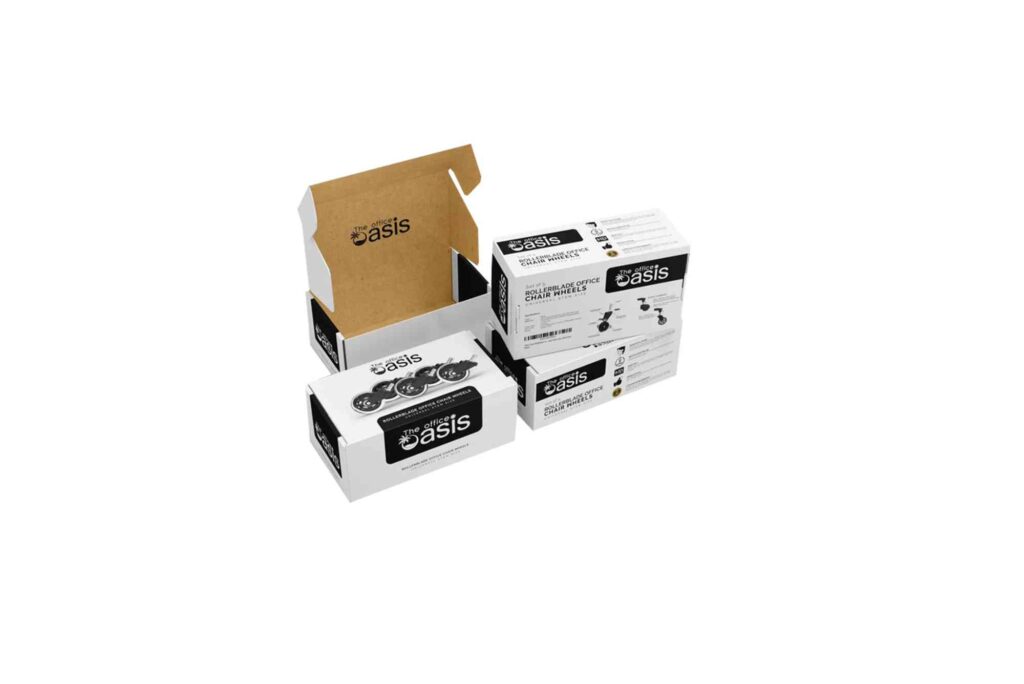
A well-designed structure ensures that parts remain in place during transit. Custom-fit packaging reduces movement and prevents damage. Businesses often use tailored solutions like inserts or compartments. This approach not only protects items but also enhances the unboxing experience.
If you are looking for tailored solutions, consider exploring Custom Packaging at to create packaging that perfectly fits your product dimensions.
Branding and Visual Appeal
Branding is a key aspect of auto parts packaging design. Logos, colours, and typography should reflect the brand identity. Clear labelling is also important. It helps customers identify the product quickly. Additionally, it provides necessary information such as specifications and installation guidance.
High-quality printing techniques can enhance visual appeal. For deeper knowledge, you can explore print & finishing insights at to stay updated with industry trends.
Compliance and Labelling Requirements
Auto parts packaging must meet industry regulations. Labels should include safety warnings, handling instructions, and product details.
Compliance ensures that products meet legal standards. It also builds trust with customers and distributors.
Types of Auto Parts Packaging Solutions
Corrugated Boxes
Corrugated boxes are widely used due to their strength and affordability. They are suitable for both small and large auto parts.
These boxes can be customised with branding elements. They also offer flexibility in size and structure.
Rigid Boxes
Rigid boxes provide a premium look and superior protection. They are often used for high-value or delicate components.
Although they are more expensive, they enhance perceived value and customer experience.
Blister Packaging
Blister packs are ideal for small parts like screws or connectors. They allow customers to see the product clearly.
This type of packaging is common in retail environments. It combines visibility with protection.
Flexible Packaging
Flexible packaging is used for lightweight or less fragile parts. It includes pouches or plastic wraps.
While it is cost-effective, it may not offer the same level of protection as rigid options.
Sustainability in Auto Parts Packaging Design
Sustainability is becoming increasingly important. Customers prefer eco-friendly packaging that reduces environmental impact.
Using recyclable materials is a good starting point. Corrugated cardboard and paper-based inserts are widely recyclable. In addition, businesses can reduce waste by optimising packaging sizes. Smaller packages use fewer materials and lower shipping costs.
Reusable packaging is another option. It adds value for customers and supports sustainability goals.
Cost Efficiency and Logistics
Balancing cost and quality is crucial in auto parts packaging design. Over-packaging increases expenses, while under-packaging risks damage. Efficient packaging design reduces shipping costs. Compact and lightweight packaging lowers transportation fees.
Moreover, optimised packaging improves storage and handling. It allows better use of warehouse space and simplifies logistics.
Enhancing Customer Experience
Packaging is often the first physical interaction a customer has with a product. Therefore, it should create a positive impression. Easy-to-open designs improve usability. Clear instructions and organised layouts enhance convenience.
A thoughtful unboxing experience can leave a lasting impact. It encourages repeat purchases and positive reviews.
If you want to explore a real-world example of a packaging provider, you can check Buddy Packaging Location here:
Innovations in Auto Parts Packaging Design
Technology is transforming packaging design. Smart packaging solutions are becoming more common. For instance, QR codes can provide product information or installation guides. This adds value without increasing packaging size.
Digital printing allows for customisation and short production runs. It enables brands to adapt quickly to market trends. Additionally, advanced materials offer better protection with less weight. This improves both sustainability and efficiency.
Common Challenges and How to Overcome Them
Auto parts packaging design comes with unique challenges. However, these can be addressed with the right strategies. One common issue is product damage during transit. This can be solved by using proper cushioning and secure packaging structures.
Another challenge is balancing cost and quality. Businesses should focus on efficient design rather than simply reducing materials. Brand consistency can also be difficult to maintain. Standardised design guidelines help ensure uniformity across products. Finally, meeting regulatory requirements can be complex. Staying updated with industry standards is essential for compliance.
Best Practices for Auto Parts Packaging Design
Start by understanding your product. Consider its size, weight, and fragility.
Next, choose materials that provide adequate protection. Avoid unnecessary layers that increase costs.
Focus on clear branding and labelling. Make sure customers can easily identify and understand the product.
Test your packaging thoroughly. Simulate shipping conditions to identify potential issues.
Finally, keep improving your design. Gather customer feedback and adapt accordingly.
Conclusion
Auto parts packaging design is more than just protection. It is a strategic tool that influences brand perception, customer experience, and operational efficiency.
By focusing on durability, branding, and sustainability, businesses can create packaging that stands out. Moreover, investing in smart design solutions can reduce costs and improve logistics. If you are ready to upgrade your packaging strategy, now is the time to act. Explore customised solutions and stay ahead in a competitive market.
Creating effective packaging starts with asking the right questions. From material selection to branding and sustainability, every detail matters in delivering a strong product impression. By exploring key packaging design questions, businesses can refine their strategy and stand out in competitive markets. Learn more through this helpful guide:
FAQs
What is auto parts packaging design?
Auto parts packaging design refers to the process of creating packaging solutions that protect automotive components while enhancing branding and usability.
Why is packaging important for auto parts?
Packaging protects parts from damage, ensures safe delivery, and improves brand image. It also helps meet regulatory requirements.
What materials are best for auto parts packaging design?
Common materials include corrugated cardboard, rigid boxes, foam inserts, and plastic packaging. The choice depends on the product type.
How can I make my packaging more sustainable?
Use recyclable materials, reduce packaging size, and consider reusable options. These steps lower environmental impact.
What are the latest trends in auto parts packaging design?
Trends include smart packaging, eco-friendly materials, and digital printing. These innovations improve functionality and customer experience.
How do I reduce packaging costs without compromising quality?
Optimise design, use efficient materials, and test packaging thoroughly. This ensures protection while keeping costs under control.