A Cold Wall Packaging: The Ultimate Guide
In today’s competitive market, packaging is more than just a protective layer. A cold wall packaging has emerged as a trend that combines style, functionality, and sustainability. Brands are increasingly looking for innovative solutions that appeal to environmentally conscious consumers while maintaining premium aesthetics. This guide explores everything you need to know about a cold wall packaging, its benefits, materials, design considerations, and practical applications.
Understanding A Cold Wall Packaging
What Is A Cold Wall Packaging?
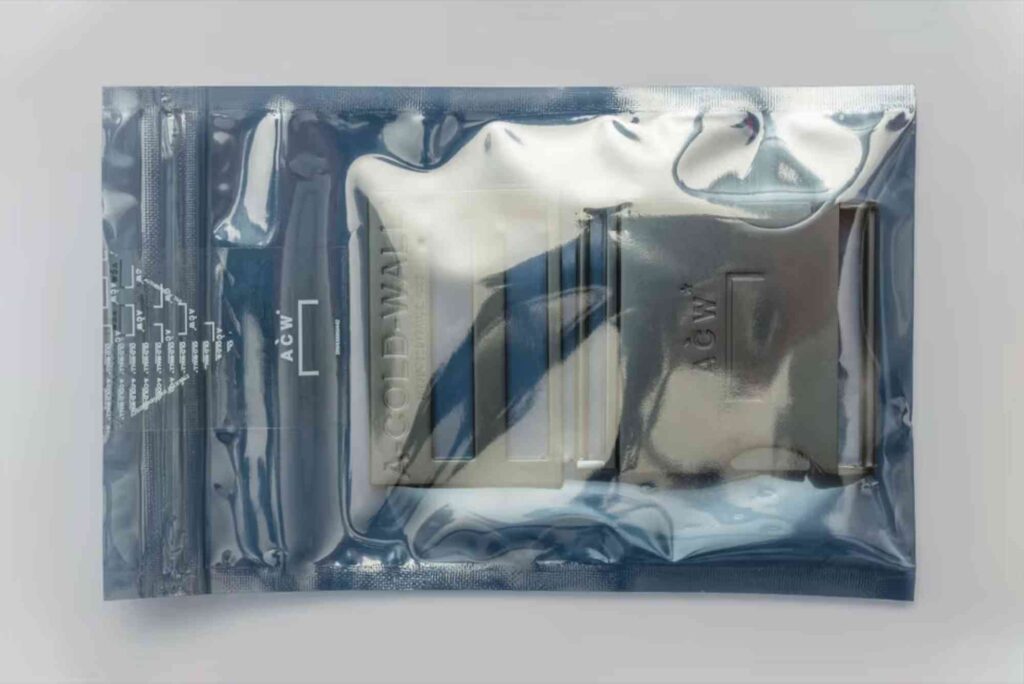
A cold wall packaging refers to a minimalist, modern packaging design characterized by clean lines, muted colors, and high-quality materials. Originally inspired by streetwear fashion, this packaging style translates sleek design concepts into product presentation, making it suitable for luxury goods, electronics, and lifestyle items.
Key Features
- Minimalist Design: Simple logos, monochrome palettes, and understated elegance.
- Durable Materials: Often uses recycled cardboard, kraft paper, or eco-friendly polymers.
- Functional Construction: Designed to protect the product while offering an unboxing experience.
Benefits of A Cold Wall Packaging
Enhanced Brand Appeal
A cold wall packaging enhances perceived brand value. Its minimalist aesthetics convey sophistication and modernity, appealing to younger, design-conscious consumers.
Sustainability and Eco-Friendliness
Most cold wall packaging uses recyclable materials. Brands adopting this approach reduce environmental impact and align with global sustainability goals.
Cost Efficiency
Despite premium looks, many cold wall packaging designs optimize material use, reducing excess waste. This can lower production costs without compromising quality.
Versatility Across Products
From electronics to cosmetics, cold wall packaging adapts to various product shapes. Its design flexibility accommodates cube boxes or custom shapes, ensuring a consistent brand experience.
Materials Used in A Cold Wall Packaging
Cardboard and Paperboard
Cardboard is the most common material. It is sturdy, easy to print on, and recyclable. High-grade paperboard provides a smooth surface for premium finishes.
Recycled and Kraft Paper
Using recycled paper aligns with eco-conscious goals. Kraft paper, with its natural brown tone, adds a rustic, organic feel.
Plastic Alternatives
Some cold wall packaging integrates biodegradable or compostable plastics. These materials offer water resistance while maintaining sustainability.
Specialty Finishes
Spot UV, embossing, and matte coatings enhance the tactile experience, making unboxing memorable. Brands often combine these finishes with subtle typography for elegance.
Design Considerations
Minimalism and Typography
Keep text minimal. Use bold or sans-serif fonts sparingly. White space emphasizes elegance and draws attention to the product.
Structural Integrity
Even minimalist designs must protect the product. Reinforced corners, foldable inserts, and snug fits prevent damage during transit.
Adaptability for Different Products
Cold wall packaging works for various product dimensions. Cube boxes are popular for compact items, while book boxes or larger formats suit apparel or accessories.
Sustainability in Design
Choose materials that are recyclable or biodegradable. Avoid unnecessary plastic layers, and optimize packaging size to reduce shipping emissions.
Practical Applications
Retail and E-Commerce
Luxury brands increasingly use cold wall packaging for online orders. Minimalist boxes enhance the unboxing experience, making the product feel premium.
Electronics and Gadgets
Sleek packaging suits tech items. Custom inserts prevent movement, while clean designs reflect innovation and quality.
Food and Beverage
Eco-friendly cold wall packaging can be adapted for takeout or specialty foods. Its sturdy materials maintain freshness and integrity.
Subscription Boxes
Subscription services benefit from distinctive packaging. A cold wall design ensures the unboxing feels like a special event, encouraging customer loyalty.
Trends and Innovations
Smart Packaging Integration
QR codes, NFC tags, and AR experiences are increasingly integrated into cold wall packaging. Consumers can scan for product information or interactive content.
Biodegradable Innovations
Brands are experimenting with compostable coatings and plant-based inks. This approach combines elegance with eco-responsibility.
Personalization
From monograms to limited-edition prints, personalized cold wall packaging increases brand engagement. Consumers value the attention to detail.
How to Choose A Cold Wall Packaging
Assess Product Type and Size
Consider the product’s weight, dimensions, and fragility. Cube boxes work well for compact electronics, while larger book boxes suit apparel or books.
Material Selection
Balance durability with sustainability. Recycled cardboard works for most products, but water-resistant options may be necessary for food or cosmetics.
Design Consistency
Ensure the packaging aligns with your brand identity. Color schemes, logo placement, and finishes should be consistent across all products.
Supplier Reliability
Partner with suppliers experienced in cold wall packaging. They can offer advice on structural integrity, print quality, and sustainable sourcing.
A cold wall packaging is more than a container; it’s a statement of style, sustainability, and brand identity. Its minimalist design, eco-friendly materials, and versatility make it an excellent choice for modern businesses. Whether you are launching a tech gadget, luxury item, or lifestyle product, this packaging style enhances consumer perception while supporting sustainability goals.
Start integrating cold wall packaging today to elevate your brand. Explore cube boxes and book boxes for varied product sizes, and ensure your packaging stands out in the competitive market.
buddypackaging.co.uk is your go-to destination for high-quality, eco-friendly packaging solutions. From custom boxes to sustainable materials, they provide innovative, reliable, and cost-effective options for businesses of all sizes. Enhance your brand’s presentation while caring for the environment with buddypackaging.co.uk.
FAQ: A Cold Wall Packaging
What makes a cold wall packaging different from regular packaging?
A cold wall packaging emphasizes minimalism, premium materials, and clean design, unlike standard packaging which focuses only on protection.
Can cold wall packaging be eco-friendly?
Yes, most cold wall packaging uses recyclable cardboard or biodegradable materials, aligning with sustainable practices.
Is cold wall packaging suitable for food products?
Absolutely. With sturdy materials and optional moisture-resistant coatings, it can safely house takeout or specialty foods.
How do I choose the right size for cold wall packaging?
Consider your product’s dimensions, weight, and shape. Cube boxes are ideal for small items, while book boxes suit larger or flatter products.
Are cold wall packages cost-effective for businesses?
Yes. Efficient material use and minimalist designs reduce waste, balancing premium aesthetics with cost savings.
Can cold wall packaging be personalized?
Definitely. You can add custom prints, logos, or limited-edition designs for a more engaging consumer experience.
Where can I buy cold wall packaging?
Suppliers specializing in premium packaging or sustainable solutions offer cold wall options. Choosing reliable partners ensures high-quality results.