Introduction
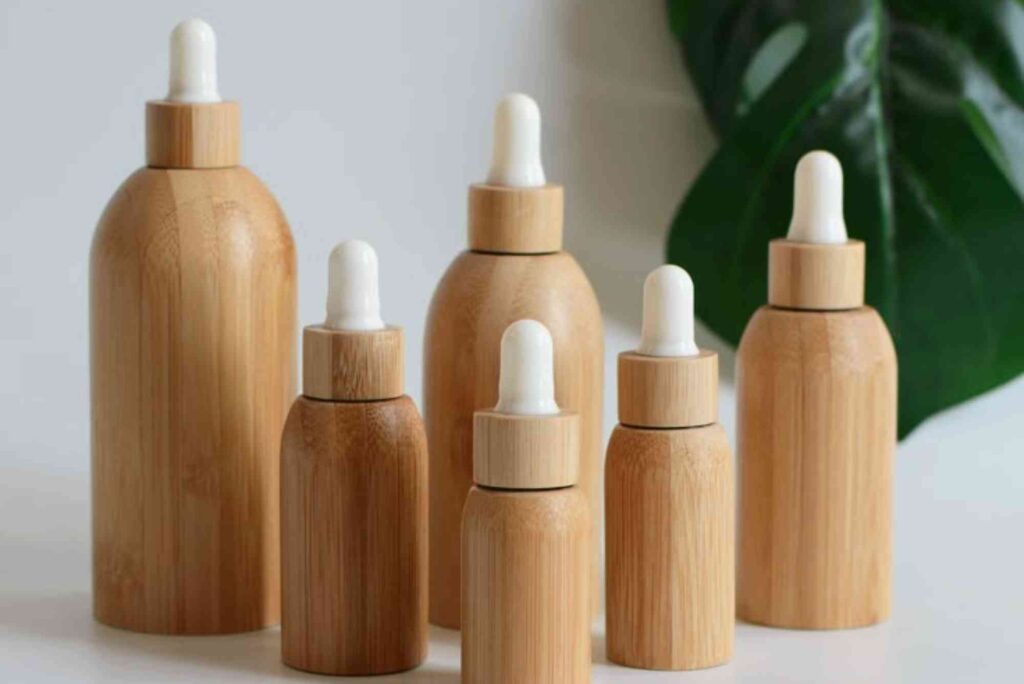
In an era of increasing environmental awareness, businesses across the UK are adopting sustainable practices to minimise their ecological footprint. One such shift is in the realm of product packaging, especially for small-volume containers like 10ml and 15ml bottles commonly used in industries like cosmetics, pharmaceuticals, and essential oils. Eco-friendly packaging not only reduces waste but also appeals to environmentally conscious consumers and enhances brand reputation.
This comprehensive guide outlines the best practices for eco-friendly packaging of 10ml and 15ml bottles, including industry-specific strategies, material suggestions, step-by-step implementation tips, and a helpful FAQ section. Whether you are an established manufacturer or a start-up aiming to build a sustainable brand, this article will equip you with everything you need to make responsible packaging decisions.
Best Practices for Eco-Friendly Packaging of 10ml and 15ml Bottles
To create sustainable packaging for 10ml and 15ml bottles, it’s essential to use recyclable, biodegradable, and reusable materials, minimise packaging layers, and work with local suppliers to reduce the carbon footprint. Ensure labelling uses soy or water-based inks, and avoid plastic where possible. Designing boxes that fit the bottles snugly reduces waste and shipping costs, while tamper-evident eco-labels provide both security and sustainability.
Best Practices for Eco-Friendly Packaging of 10ml and 15ml Bottles
- Use biodegradable or compostable box materials.
- Opt for water or soy-based printing inks.
- Design snug-fit boxes to eliminate excess space.
- Avoid plastic and choose paperboard or corrugated cardboard.
- Source packaging materials locally.
- Include recycling instructions on the packaging.
- Use minimal yet protective internal padding.
- Select sustainable adhesive options.
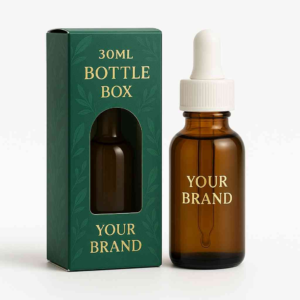
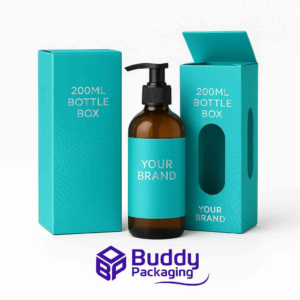
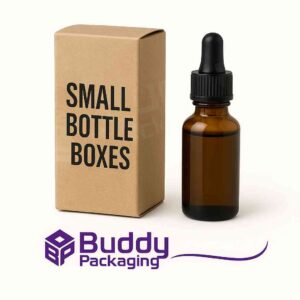
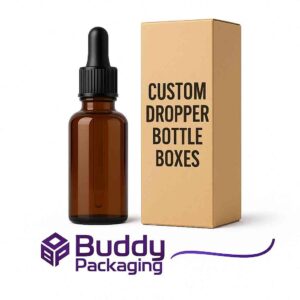
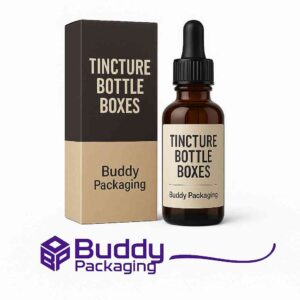
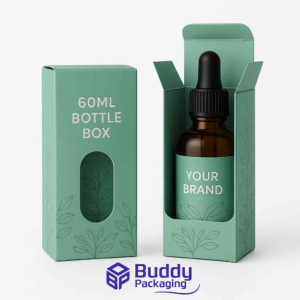
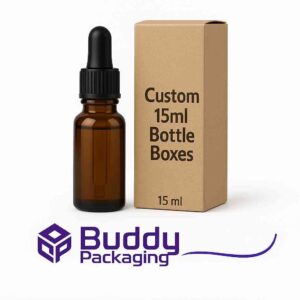
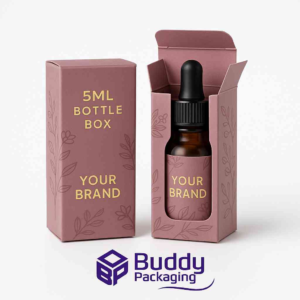
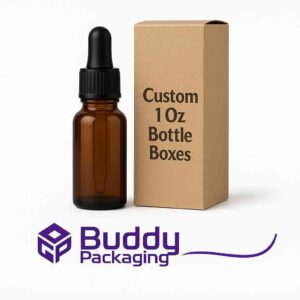
- Customise boxes to exact bottle sizes like Custom 10ml Bottle Boxes.
- Partner with eco-conscious suppliers like Buddy Packaging UK.
Step-by-Step Instructions for Implementing Sustainable Packaging
Assess Your Current Packaging Materials
Begin by auditing your current packaging components. Identify items that are non-recyclable, excessive, or not biodegradable. This will help you determine what changes are needed to move towards sustainability.
Choose Eco-Friendly Materials
Replace plastic and Styrofoam with corrugated cardboard, kraft paper, or biodegradable bioplastics. For 10ml and 15ml bottles, opt for small-scale packaging that fits the bottle precisely, such as Custom 10ml Bottle Boxes.
Collaborate with a Sustainable Packaging Partner
Work with packaging providers like Buddy Packaging UK that offer eco-conscious solutions tailored for small bottles. This ensures consistent supply and sustainable design.
Implement Green Printing Techniques
Use soy or water-based inks instead of petroleum-based ones. These alternatives are less toxic, more sustainable, and deliver vibrant results without harming the environment.
Educate Consumers and Encourage Recycling
Include instructions on how to dispose of or recycle the packaging. Use visual icons or QR codes that direct consumers to a recycling guide.
Related FAQs
What materials are best for eco-friendly 10ml and 15ml bottle packaging?
Biodegradable cardboard, kraft paper, corrugated fibreboard, and compostable bioplastics are top choices. These are recyclable, lightweight, and provide adequate protection.
How can I make my bottle packaging more sustainable?
Reduce unnecessary layers, use recycled or recyclable materials, adopt green printing, and partner with sustainable suppliers.
Can I still customise eco-friendly boxes?
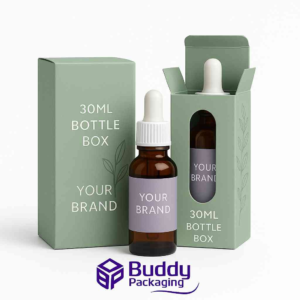
Absolutely. Custom 10ml Bottle Boxes and Custom 30ml Bottle Boxes can be designed with eco-materials without compromising on branding.
Are there regulations for sustainable packaging in the UK?
Yes, the UK government is actively promoting Extended Producer Responsibility (EPR) schemes, plastic packaging taxes, and sustainable labelling standards.
What industries benefit most from eco-friendly small bottle packaging?
Cosmetics, essential oils, pharmaceuticals, herbal remedies, and fragrance brands all benefit from sustainable, appealing, and regulatory-compliant packaging.
Eco-friendly packaging for 10ml and 15ml bottles is not just a trend but a necessary evolution for modern businesses. By adopting sustainable materials, efficient designs, and responsible partnerships, brands can reduce their carbon footprint while strengthening consumer trust. Leverage solutions like Custom 10ml Bottle Boxes and collaborate with reliable providers such as Buddy Packaging UK to lead the change in green packaging.
Whether you’re packaging essential oils or luxury serums, implementing eco-conscious strategies today ensures a cleaner, greener tomorrow.