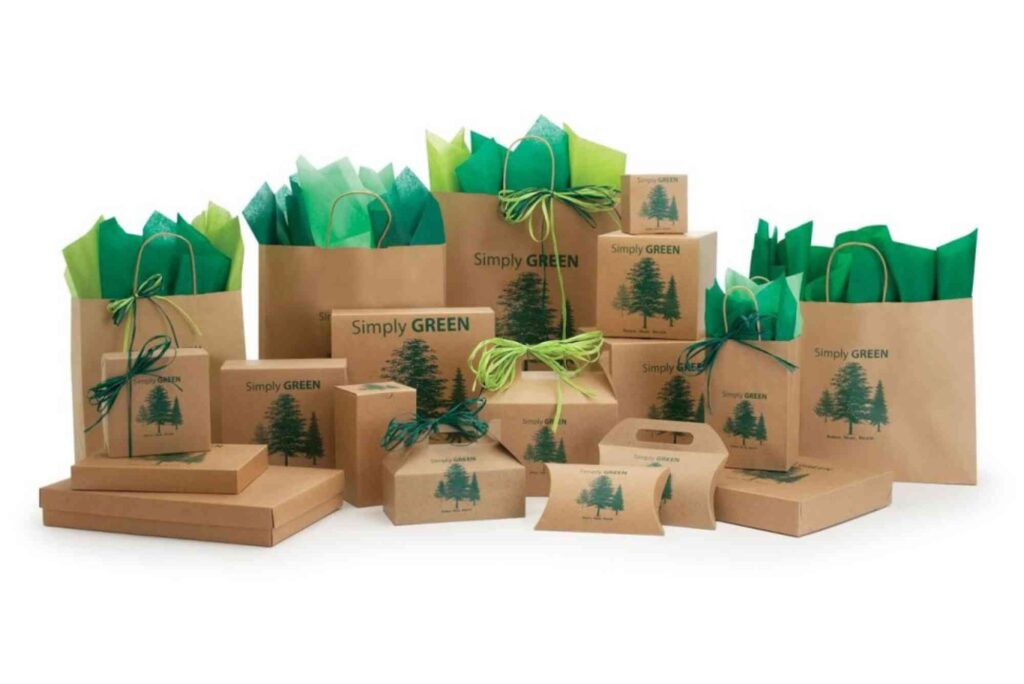
Introduction to Eco-Friendly Soap Box Packaging
The global shift toward sustainability has led brands to rethink their packaging strategies. Eco-friendly soap box packaging is an innovative solution that reduces environmental impact while enhancing brand image. Sustainable packaging options not only minimize waste but also attract eco-conscious consumers, making it a valuable investment for businesses looking to stay ahead of the competition.
Why Choose Sustainable Soap Box Packaging?
Eco-friendly packaging materials such as recycled cardboard, kraft paper, and biodegradable options contribute to environmental conservation. These materials are free from harmful chemicals, ensuring product safety while aligning with green initiatives. Businesses adopting sustainable packaging demonstrate corporate social responsibility, building trust with environmentally aware consumers.
Benefits of Eco-Friendly Soap Box Packaging
Sustainable soap box packaging offers multiple advantages, including durability, cost-effectiveness, and a lower carbon footprint. Recyclable and biodegradable materials help reduce landfill waste, while innovative designs enhance product visibility. Additionally, eco-friendly packaging supports brand differentiation, giving businesses a competitive edge in a market that increasingly values sustainability.
Step-by-Step Guide to Creating Sustainable Soap Packaging
Choosing the right material is the first step in developing eco-friendly soap box packaging. Recycled paperboard and compostable kraft paper are popular choices due to their biodegradability. The next step involves selecting eco-friendly printing methods, such as soy-based inks, which reduce toxic emissions. Designing minimalist packaging with sustainable adhesives and avoiding plastic laminations ensures a fully biodegradable product. Finally, sourcing materials from responsible suppliers and obtaining eco-certifications enhance brand credibility and compliance with sustainability standards.
The Role of Customization in Sustainable Packaging
Customization allows brands to align packaging with their sustainability goals while maintaining a strong visual identity. Personalized eco-friendly packaging helps businesses create unique designs using non-toxic dyes, embossed logos, and innovative shapes. Custom packaging improves brand perception and enhances the unboxing experience, making it an essential aspect of modern sustainable branding strategies.
How Eco-Friendly Packaging Impacts Consumer Behavior
Consumers increasingly prefer products packaged in sustainable materials. Studies show that brands utilizing eco-friendly packaging experience higher customer loyalty and increased sales. Packaging made from renewable resources resonates with environmentally conscious shoppers, fostering a positive brand reputation. Brands investing in sustainable solutions not only contribute to environmental preservation but also attract a growing demographic of eco-minded consumers.
How to Source High-Quality Eco-Friendly Packaging?
Finding the right supplier is crucial for maintaining quality and sustainability standards. Brands should prioritize suppliers offering FSC-certified or recycled materials to ensure ethical sourcing. Partnering with reputable manufacturers, such as Buddy Packaging UK, ensures access to high-quality, eco-friendly materials that align with sustainable business practices. Transparent sourcing and ethical production contribute to brand credibility while supporting global sustainability efforts.
Common Myths About Eco-Friendly Packaging Debunked
One common misconception is that sustainable packaging is expensive. While initial costs may be slightly higher, long-term savings arise from reduced material waste and increased consumer preference. Another myth is that eco-friendly packaging lacks durability. Advances in sustainable materials have led to sturdy and resilient options, ensuring product protection without harming the environment. Lastly, some believe that sustainable packaging lacks design flexibility. However, modern eco-friendly materials support a wide range of customizations, offering aesthetically appealing solutions.
The Future of Sustainable Packaging in the Soap Industry
The soap industry continues to innovate, embracing eco-friendly packaging trends to meet consumer expectations. Future advancements include water-soluble packaging, plant-based inks, and zero-waste designs. Brands investing in sustainable packaging today position themselves for long-term success, gaining a competitive advantage in an increasingly eco-conscious market. By integrating sustainable practices, businesses contribute to a greener planet while fostering customer loyalty.
Frequently Asked Questions (FAQs)
What materials are best for eco-friendly soap box packaging?
Recycled cardboard, kraft paper, and biodegradable materials are the best options for sustainable soap packaging. These materials reduce waste and are environmentally friendly.
Is eco-friendly packaging more expensive than traditional packaging?
While the initial cost may be slightly higher, long-term savings come from reduced waste and increased consumer preference, making it a cost-effective investment.
Can sustainable packaging be customized?
Yes, eco-friendly packaging supports various customizations, including embossed logos, soy-based ink printing, and unique shapes, enhancing brand identity.
Where can I find reliable eco-friendly packaging suppliers?
Trusted suppliers like Buddy Packaging Locationy Packaging UK offer high-quality sustainable materials, ensuring eco-friendly and cost-effective packaging solutions.
How does eco-friendly packaging impact consumer behavior?
Consumers prefer products with sustainable packaging, leading to increased brand loyalty and higher sales. Eco-friendly packaging enhances brand reputation and attracts environmentally conscious buyers.
By choosing sustainable Soap Box Packaging, brands can reduce their environmental footprint while meeting consumer expectations. Partnering with reputable suppliers and investing in innovative materials ensures a successful transition to eco-friendly solutions, benefiting both businesses and the planet.