How to Choose the Right Size and Material for Cardboard Packaging Boxes
Selecting the perfect cardboard packaging is more than just picking a box. The right size and material protect your products, save costs, and improve customer satisfaction. In this guide, we will explore how to choose the right size and material for cardboard packaging boxes and offer practical tips for businesses and individuals.
Understanding Cardboard Packaging Boxes
What Are Cardboard Packaging Boxes?
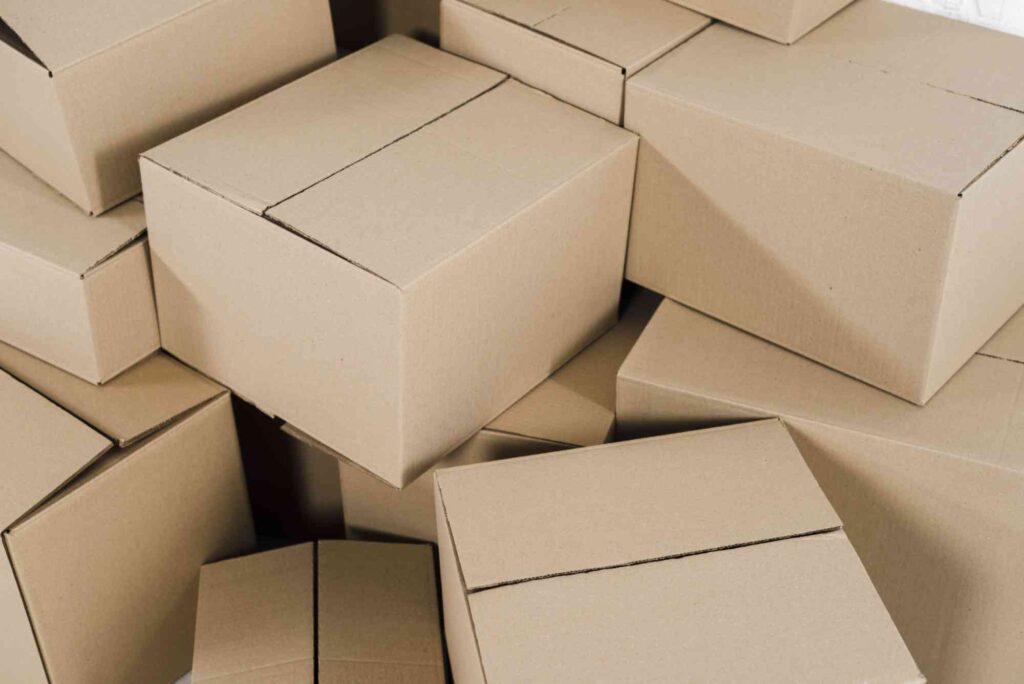
Cardboard packaging boxes are containers made from thick paper-based materials. They come in various shapes, sizes, and strengths. Businesses use them for shipping, storing, and displaying products.
Why the Right Size and Material Matter
Choosing the wrong box can lead to product damage, higher shipping costs, and poor presentation. Using the right size ensures a snug fit, while the correct material guarantees durability.
How to Determine the Right Size for Cardboard Boxes
Measure Your Product Accurately
Before selecting a box, measure the product’s length, width, and height. Consider extra space for padding or protective materials.
Consider Weight and Handling
Heavier items need slightly larger boxes to allow for cushioning without compromising strength. Lighter items can use snug-fitting boxes to reduce material costs.
Account for Shipping Methods
If products are shipped via courier, make sure the size complies with carrier regulations. Oversized boxes can increase shipping fees.
Use Standard vs Custom Sizes
Standard sizes are economical and readily available. Custom cardboard boxes allow precise fitting, improving protection and presentation.
Choosing the Right Material for Cardboard Boxes
Single-Wall, Double-Wall, and Triple-Wall Options
- Single-Wall: Lightweight and suitable for small, low-risk items.
- Double-Wall: Stronger and ideal for medium-weight products or fragile items.
- Triple-Wall: Extremely durable for heavy or bulk items.
Corrugated vs Solid Board
- Corrugated Board: Provides cushioning and is common for shipping.
- Solid Board: Offers a premium look for retail packaging but less cushioning.
Recyclable and Eco-Friendly Options
Many cardboard boxes are made from recycled materials. Using eco-friendly boxes reduces environmental impact and appeals to conscious consumers.
Material Thickness and Flute Type
- Flute Type: Refers to the wavy paper layer in corrugated boxes. Options include A, B, C, and E flutes, each providing different cushioning and rigidity.
- Thickness: Thicker materials offer more protection but increase weight and shipping costs.
Practical Tips for Choosing Boxes
Match Box to Product Fragility
Fragile items like glassware need extra cushioning and thicker cardboard. Non-fragile items may need only basic protection.
Factor in Storage and Stackability
If boxes are stored in warehouses, choose stackable designs to optimise space and prevent crushing.
Branding Considerations
Custom cardboard boxes allow printing of logos or designs, enhancing customer experience. Customisation can improve brand recognition and loyalty.
Buy from Trusted Suppliers
A reliable supplier ensures consistent quality and on-time delivery. For example, Buddy Packaging UK offers a variety of durable and custom options suitable for different industries. Their Buddy Packaging Location makes ordering convenient across the UK.
Benefits of Choosing the Right Size and Material
Reduced Product Damage
Proper sizing and material prevent movement inside the box, protecting fragile products during transit.
Cost Savings
Efficient use of materials and correct sizing reduces waste, shipping costs, and storage issues.
Enhanced Customer Experience
Well-packaged products arrive safely and appear professional, improving customer satisfaction.
Environmental Responsibility
Choosing recyclable and sustainable materials supports eco-friendly business practices.
FAQs
How do I know which cardboard box material is best for my product?
Consider the product’s weight, fragility, and shipping requirements. Single-wall suits light items, while double or triple-wall is better for heavier or fragile products.
Can I use standard-sized boxes for all products?
Standard sizes work for many items, but custom cardboard boxes may be needed for irregular or fragile products to ensure a snug fit.
What is the difference between corrugated and solid board?
Corrugated boxes have fluted layers providing cushioning, ideal for shipping. Solid board is thicker and smoother, often used for retail packaging.
Are eco-friendly cardboard boxes as durable as regular ones?
Yes, recycled and eco-friendly boxes are designed to meet the same strength standards. Choosing the right material ensures durability.
How can I reduce shipping costs with cardboard boxes?
Select boxes that fit products closely without wasting space. Lighter and appropriately sized boxes lower courier charges.
Where can I order custom cardboard boxes in the UK?
You can find high-quality options from suppliers like Buddy Packaging UK, offering a variety of materials and sizes. Their Buddy Packaging Location makes it convenient to order.
Choosing the right size and material for cardboard packaging boxes is essential for product protection, cost efficiency, and brand presentation. Measure accurately, pick suitable materials, and consider customisation for best results.
Investing in quality packaging is a long-term benefit for any business. Start exploring custom cardboard boxes today from trusted suppliers to elevate your shipping and presentation standards.