Introduction
The cosmetic industry is evolving rapidly, with consumers increasingly prioritizing sustainability. Today, sustainable packaging is not just a trend but a necessity for modern cosmetic brands. From reducing environmental impact to boosting brand reputation, eco-friendly packaging plays a crucial role in shaping consumer preferences. This article delves into why sustainable packaging is essential, how brands can implement it effectively, and the benefits it offers to businesses and the environment alike.
What is Sustainable Packaging?
Sustainable packaging refers to materials and processes that minimize environmental harm while maintaining product integrity. It focuses on recyclability, biodegradability, and renewable resources. Cosmetic brands adopting sustainable packaging aim to reduce carbon footprints and meet the growing demand for eco-conscious products.
Key aspects of sustainable packaging include:
- Use of biodegradable or recyclable materials.
- Reduced packaging waste and plastic alternatives.
- Implementation of energy-efficient production processes.
- Adoption of reusable and refillable packaging solutions.
Benefits of Sustainable Packaging for Cosmetic Brands
Sustainable packaging offers multiple advantages, making it a strategic investment for cosmetic brands. Below are the key benefits:
- Environmental Conservation: Reduces plastic pollution and landfill waste.
- Enhanced Brand Reputation: Appeals to eco-conscious consumers, increasing customer loyalty.
- Regulatory Compliance: Meets global environmental regulations, avoiding legal issues.
- Cost-Efficiency: Long-term savings through lightweight and reusable materials.
- Market Differentiation: Creates a unique brand identity, setting products apart from competitors.
Implementing Sustainable Packaging
Conduct a Sustainability Audit
Begin by evaluating your current packaging materials and their environmental impact. Identify areas for improvement, such as reducing excessive packaging or switching to eco-friendly alternatives.
Choose Eco-Friendly Materials
Select biodegradable, recyclable, or compostable materials for packaging. Some excellent choices include:
- Recycled cardboard and paper
- Plant-based plastics (bioplastics)
- Glass and aluminum (highly recyclable)
Reduce Packaging Waste
Minimize unnecessary layers of packaging while ensuring product protection. Opt for minimalist designs that use less material but still provide aesthetic appeal.
Innovate with Reusable Packaging
Encourage customers to reuse packaging by offering refillable containers or return-and-reuse programs.
Partner with Sustainable Suppliers
Work with manufacturers committed to ethical sourcing and sustainable production. Collaborate with organizations that follow environmental best practices.
Educate Consumers
Inform customers about the sustainability efforts through packaging labels and digital campaigns. Encourage proper disposal and recycling practices.
The Role of Sustainable Packaging in Brand Growth
Sustainable packaging directly influences brand perception and customer loyalty. Brands that prioritize eco-friendly packaging build stronger relationships with consumers, especially those inclined toward ethical purchasing. Additionally, companies implementing sustainable solutions attract media attention and endorsements from environmental organizations, further amplifying their reach.
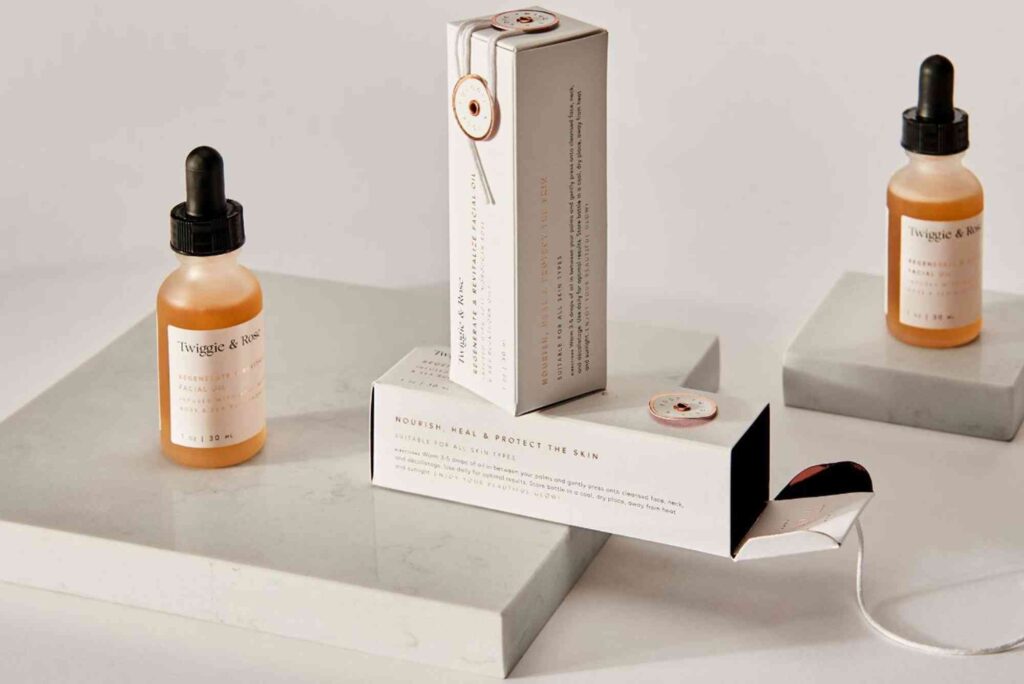
By integrating Custom Cosmetic Box Packaging, brands can enhance both sustainability and branding, ensuring long-term success in the competitive cosmetic industry.
Challenges and Solutions in Sustainable Packaging
Challenges:
- Higher Initial Costs: Eco-friendly materials can be more expensive than traditional options.
- Material Availability: Some sustainable materials are not widely available, leading to supply chain issues.
- Consumer Education: Many customers are unaware of proper recycling practices.
Solutions:
- Invest in bulk purchasing to reduce material costs.
- Establish partnerships with sustainable material suppliers.
- Run educational campaigns to inform consumers about sustainability benefits.
Future Trends in Sustainable Cosmetic Packaging
The cosmetic industry continues to innovate with sustainable packaging solutions. Some emerging trends include:
- Zero-waste packaging: Completely eliminating packaging waste through compostable alternatives.
- Waterless cosmetics: Reducing packaging needs by offering concentrated formulas.
- Smart packaging: Integrating QR codes to educate consumers on recycling methods.
Sustainable packaging is no longer optional—it is a business imperative for modern cosmetic brands. By implementing eco-friendly materials and practices, companies can enhance their brand image, comply with regulations, and contribute positively to the environment. Whether through Buddy Packaging Location or custom solutions, investing in sustainability is a step toward a greener future in the cosmetic industry.
FAQs on Sustainable Cosmetic Packaging
1. Why is sustainable packaging important for cosmetics?
Sustainable packaging minimizes environmental damage, enhances brand value, and aligns with consumer preferences for eco-friendly products.
2. What materials are best for sustainable cosmetic packaging?
Recyclable glass, biodegradable paper, plant-based plastics, and aluminum are ideal for sustainable packaging.
3. How can brands make packaging more sustainable?
Brands can use recyclable materials, reduce waste, implement refillable packaging, and educate consumers on proper disposal.
4. Does sustainable packaging affect product pricing?
While initial costs may be higher, long-term savings and increased customer loyalty often offset the expenses.
5. Where can cosmetic brands find sustainable packaging solutions?
Buddy Packaging UK offers eco-friendly and customisable packaging options for cosmetic brands.