Introduction
Custom cosmetic packaging plays a pivotal role in shaping a brand’s identity, ensuring product protection, and attracting potential customers. Whether you’re a small business owner or a product designer, creating packaging that reflects your brand and appeals to your target audience is essential. This article provides a comprehensive, step-by-step guide to designing custom cosmetic packaging. Let’s dive in!
Why Custom Cosmetic Packaging Matters
Before we delve into the steps, it’s crucial to understand why custom packaging is important. In the crowded beauty and cosmetics market, your packaging can set you apart from competitors. Great packaging:
- Enhances brand recognition.
- Communicates the product’s value.
- Provides protection during transit and on shelves.
- Appeals to eco-conscious consumers when designed sustainably.
Now that you’re aware of its significance, let’s explore how to design your Custom Cosmetic Box Packaging effectively.
Designing Custom Cosmetic Packaging
Understand Your Brand and Audience
Start by defining your brand identity and understanding your target audience. Your packaging should:
- Reflect your brand’s values and aesthetics.
- Appeal to your ideal customers—whether they value luxury, eco-friendliness, or affordability.
- Highlight your unique selling points (USPs), such as organic ingredients or cruelty-free products.
For example, if your brand emphasizes sustainability, opt for recyclable materials and minimalistic designs.
Choose the Right Packaging Materials
The material you choose impacts both the look and functionality of your packaging. Common options include:
- Cardboard: Lightweight, versatile, and eco-friendly.
- Plastic: Durable and moisture-resistant, but less sustainable.
- Glass: Ideal for premium products, offering a luxurious feel.
Work with your supplier to ensure the material meets your product’s needs, such as durability, shelf appeal, and sustainability. For expert advice, consult Buddy Packaging UK to explore various packaging solutions tailored to your brand.
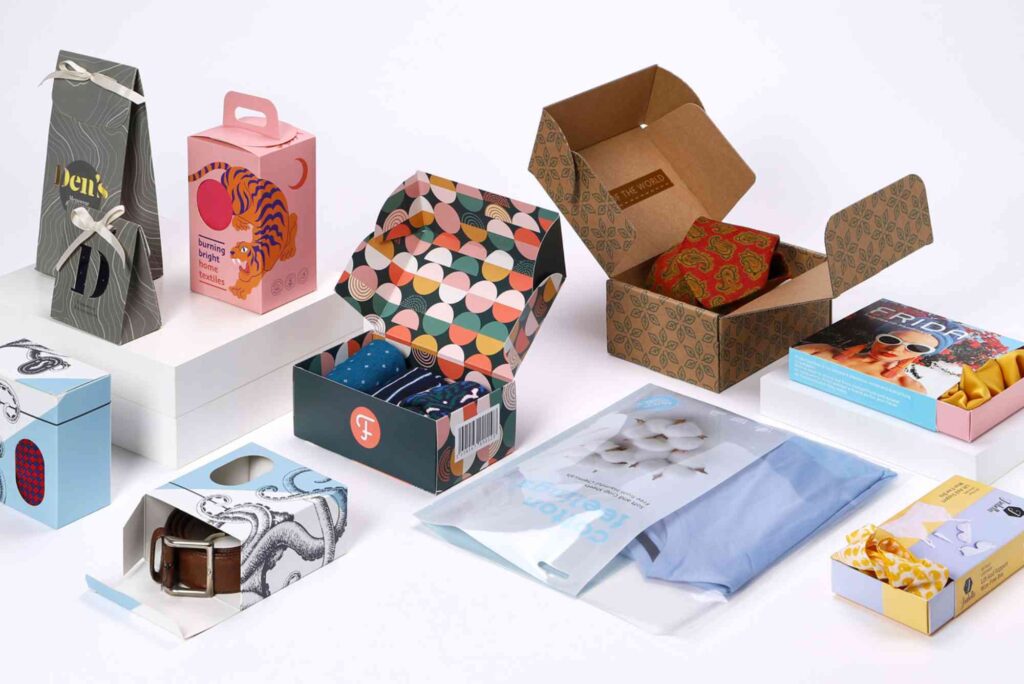
Design an Eye-Catching Layout
An attractive layout is key to grabbing customer attention. Focus on:
- Colour Schemes: Align with your brand’s identity and evoke the right emotions.
- Typography: Choose legible and stylish fonts for your product details.
- Imagery: Use high-quality images or patterns that complement your product.
- Logo Placement: Ensure your logo is prominently displayed.
Use design software or collaborate with a professional designer to bring your vision to life. Tools like Adobe Illustrator or Canva can help you create prototypes.
Ensure Compliance with Legal and Industry Standards
Cosmetic packaging must include legally required details, such as:
- Product name and description.
- Ingredient list.
- Net weight or volume.
- Manufacturer’s name and address.
- Usage instructions and safety warnings.
Research your target market’s regulations to avoid legal issues. Reliable partners like Buddy Packaging Location can assist you in meeting industry standards.
Test and Finalize Your Packaging
Before mass production, test your packaging for:
- Durability: Ensure it protects the product during transit.
- Shelf Appeal: Place prototypes on shelves to gauge customer reactions.
- Usability: Check if it’s easy to open, close, and use.
Gather feedback from focus groups or industry experts to refine your design. Once finalized, collaborate with a trusted supplier for production.
Designing custom cosmetic packaging is both an art and a science. By understanding your brand, choosing the right materials, and creating a design that resonates with your audience, you can elevate your products and boost sales. Need professional support? Check out Custom Cosmetic Box Packaging solutions by Buddy Packaging UK and visit Buddy Packaging Location for tailored advice.
FAQs on Designing Custom Cosmetic Packaging
1. What is the best material for cosmetic packaging?
Cardboard is a popular choice for its versatility and eco-friendliness. However, glass is ideal for luxury items, and plastic works well for products requiring moisture resistance.
2. How can I make my packaging sustainable?
Use recyclable or biodegradable materials, reduce excess packaging, and opt for water-based inks or soy-based dyes.
3. How much does custom cosmetic packaging cost?
Costs vary based on materials, design complexity, and order volume. For affordable and high-quality options, explore Buddy Packaging UK.
4. What are common mistakes to avoid in cosmetic packaging design?
Avoid cluttered designs, neglecting legal requirements, and using low-quality materials that compromise durability.
5. Can I redesign my packaging later?
Yes, you can refresh your packaging to align with new branding or market trends. Conduct market research to ensure a smooth transition.