Introduction
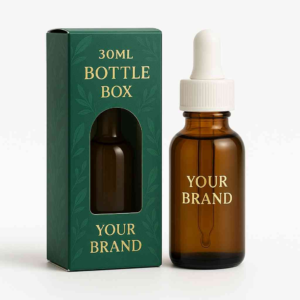
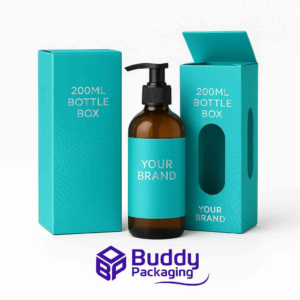
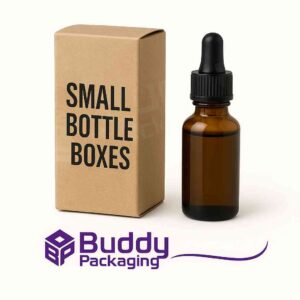
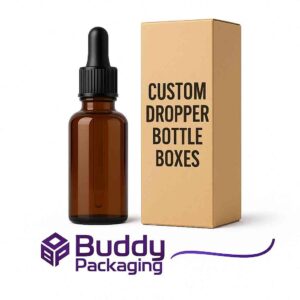
Custom packaging plays a vital role in enhancing your brand image, protecting your products, and creating a memorable unboxing experience. Whether you’re an established business or a startup, designing the perfect custom box can set you apart in a competitive market. In this guide, we’ll provide detailed steps for designing custom boxes, focusing on practicality and aesthetics to create packaging that truly resonates with your customers.
Why Custom Boxes Matter
Custom boxes are more than just containers; they are a powerful branding tool. Well-designed packaging can:
- Enhance brand recognition
- Improve product protection during shipping
- Create a premium unboxing experience
- Differentiate your brand from competitors
By investing in custom box packaging UK, you can ensure your products make a lasting impression on your customers.
Instructions for Designing Custom Boxes
Here’s how to design custom boxes that align with your brand and product needs:
Define Your Packaging Goals
Before jumping into the design, determine what you aim to achieve with your custom packaging. Ask yourself:
- What is the purpose of the box (protection, aesthetics, or both)?
- Who is your target audience?
- What message or branding do you want to convey?
Having clear goals will help you make informed design decisions, ensuring your custom boxes are both functional and visually appealing.
Choose the Right Materials
Material selection is crucial as it directly impacts durability, sustainability, and cost. Common materials include:
- Cardboard: Lightweight and cost-effective, suitable for most products.
- Corrugated board: Offers added protection for heavier items.
- Kraft paper: A sustainable choice that’s eco-friendly and aesthetically pleasing.
Select a material that aligns with your budget, product requirements, and environmental values.
Select the Box Style
The style of the box should match your product’s size and shape. Some popular options include:
- Folding cartons: Ideal for small, lightweight items.
- Rigid boxes: Perfect for luxury products requiring premium packaging.
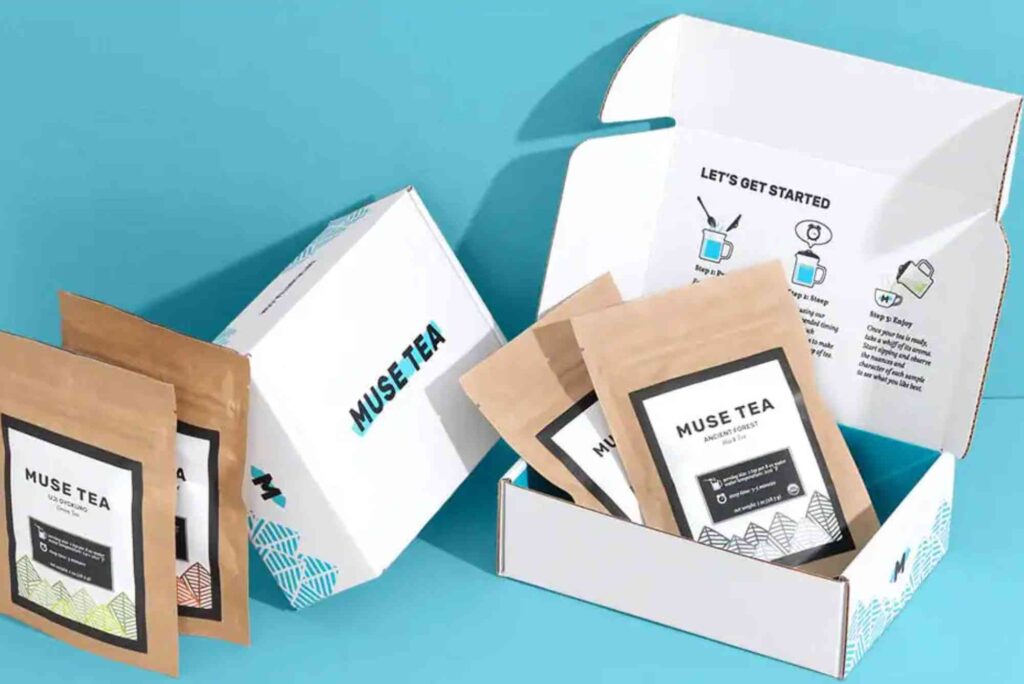
- Mailing boxes: Designed for e-commerce shipping.
For example, custom soap box packaging often uses eco-friendly Kraft paper with vibrant designs to emphasize the brand’s organic and sustainable values.
Create an Eye-Catching Design
Your packaging design should reflect your brand identity. Consider:
- Brand logo and colours: Ensure they are prominently displayed.
- Typography: Use clear, legible fonts.
- Graphics: Include patterns or images that align with your brand.
Use tools like Adobe Illustrator or Canva to mock up your design, or collaborate with a professional designer for a polished result.
Add Functional Features
Think about how your box can enhance the customer’s experience. Features like:
- Inserts or compartments to keep products secure
- Easy-to-open tabs or tear strips
- Sustainable finishes such as water-based inks or recyclable coatings
These details ensure your packaging is practical and appealing.
Test and Revise
Before finalizing the design, order a sample. Check for:
- Fit: Does the product fit snugly inside?
- Durability: Can the box withstand shipping and handling?
- Visual appeal: Does the design look as good in real life as it did on screen?
Gather feedback from colleagues or customers to refine your design further.
Essential Tips for Success
To ensure your packaging design process runs smoothly, keep these tips in mind:
Stay consistent with your branding.
Prioritize sustainability to appeal to eco-conscious consumers.
Keep the design simple yet impactful.
Always test your packaging before mass production.
Example Checklist: Custom Box Design Process
- Define packaging goals.
- Choose materials and box style.
- Create and refine the design.
- Add functional features.
- Test and gather feedback.
Following these steps ensures your custom boxes meet both functional and branding objectives.
Related FAQs
1. What is the most sustainable material for custom boxes?
Kraft paper and recycled cardboard are among the most sustainable materials. They are biodegradable, recyclable, and often sourced from renewable resources.
2. How long does it take to design custom packaging?
The timeline can vary depending on the complexity of the design and the production process. Typically, it takes 2-4 weeks for initial design and sampling.
3. Can I order small quantities of custom boxes?
Yes, many manufacturers offer low minimum order quantities, especially for startups or niche product lines.
4. What are the cost factors for custom packaging?
Key cost factors include material type, box dimensions, design complexity, and order volume.
5. Where can I find reliable custom packaging services in the UK?
For high-quality custom packaging, check out Buddy Packaging Location for tailored solutions.
By implementing these steps and tips, you can design packaging that not only protects your products but also elevates your brand’s presence in the market.