Introduction
Drug packaging design plays a critical role in the pharmaceutical industry. Beyond simply protecting medications, it serves as a powerful tool for safety, compliance, branding, and consumer trust. In today’s highly regulated healthcare market, an effective drug packaging design must balance functionality, regulatory requirements, and visual appeal while ensuring that patients receive accurate information about their medications.
As pharmaceutical companies continue to innovate, packaging has become more sophisticated, incorporating user-friendly features, tamper-evident technology, sustainability initiatives, and branding elements that enhance product recognition. Whether for prescription medicines, over-the-counter drugs, or specialized healthcare products, drug packaging design directly impacts patient safety and the overall user experience.
The Importance of Drug Packaging Design
Drug packaging design is much more than an attractive box or bottle. It acts as the first line of communication between pharmaceutical manufacturers and consumers. Well-designed packaging helps prevent medication errors, protects product integrity, and ensures compliance with strict industry regulations.
The pharmaceutical market is highly competitive, and healthcare providers as well as consumers often associate high-quality packaging with product reliability. Effective drug packaging design creates confidence while supporting safe medication use.
How Drug Packaging Design Protects Patients
Patient safety remains the primary objective of every pharmaceutical packaging solution. Packaging must safeguard medications from contamination, moisture, light exposure, and temperature fluctuations.
Clear Labeling and Instructions
One of the most important aspects of drug packaging design is presenting information clearly. Dosage instructions, warnings, active ingredients, expiration dates, and storage recommendations must be easy to locate and understand.
Readable typography, logical information hierarchy, and sufficient contrast contribute significantly to reducing medication errors.
Tamper-Evident Features
Modern drug packaging design incorporates tamper-evident seals and closures that indicate whether a product has been opened or altered. These features help protect consumers from counterfeit or compromised medications.
Child-Resistant Packaging
Many pharmaceutical products require child-resistant packaging to prevent accidental ingestion. Special caps, locking mechanisms, and secure blister packs are common solutions used within drug packaging design strategies.
Regulatory Requirements in Drug Packaging Design
The pharmaceutical industry operates under strict regulations worldwide. Compliance is essential when developing any drug packaging design.
Regulatory authorities require packaging to display accurate information regarding ingredients, dosage instructions, contraindications, manufacturing details, and expiration dates.
Failure to comply with regulations can result in product recalls, legal penalties, and damage to brand reputation. Therefore, successful drug packaging design requires collaboration among designers, regulatory specialists, and pharmaceutical experts.
Key Elements of Effective Drug Packaging Design
Creating successful pharmaceutical packaging requires a strategic approach that combines functionality and aesthetics.
Material Selection
The choice of packaging materials significantly impacts product protection and shelf life. Glass, plastic, aluminum, and advanced barrier materials are commonly used depending on the medication’s specific requirements.
Each material offers unique benefits regarding durability, chemical resistance, and environmental protection.
Visual Hierarchy
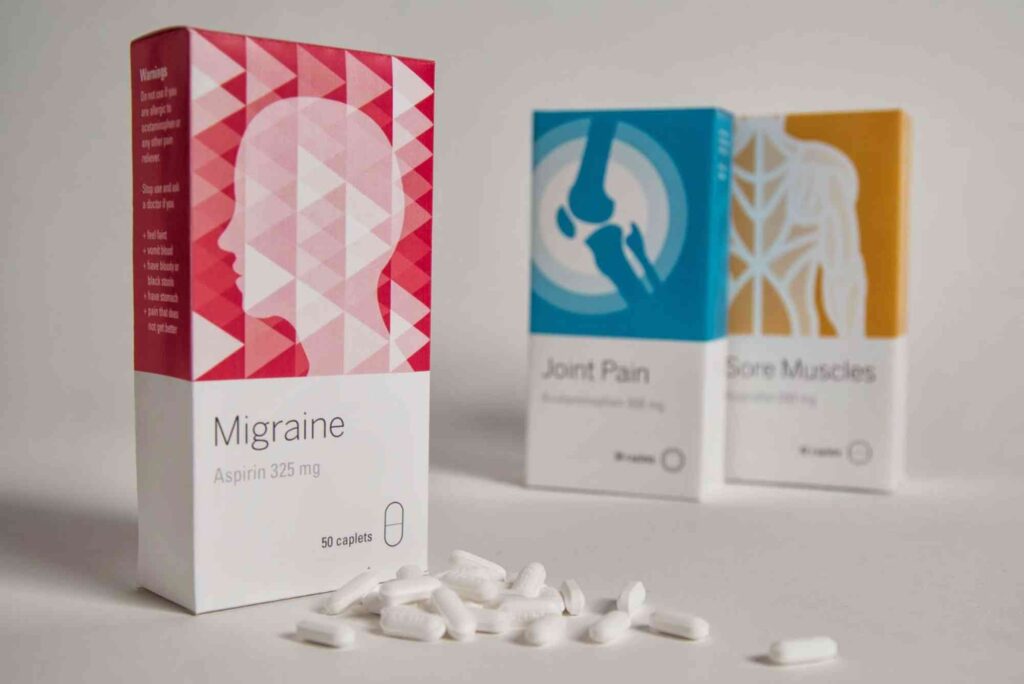
Effective drug packaging design prioritizes critical information. Product names, dosage strengths, and warnings should be immediately visible.
A strong visual hierarchy ensures healthcare professionals and patients can quickly identify important details.
Colour Coding
Colour coding is frequently used in drug packaging design to differentiate dosage strengths, product categories, or treatment types. Proper colour usage can improve recognition and reduce confusion.
Typography
Readable typography is essential. Fonts should remain legible across various package sizes while maintaining consistency throughout the brand portfolio.
Branding Through Drug Packaging Design
Although pharmaceutical products must prioritize safety and compliance, branding remains an important component of drug packaging design.
Strong branding helps companies establish recognition and trust among healthcare providers and consumers. Consistent logos, colours, typography, and visual elements create a cohesive identity across product lines.
Many pharmaceutical businesses also invest in premium packaging solutions through providers specializing in Custom Packaging to create unique and professional product presentations while meeting industry requirements.
The Role of Sustainability in Drug Packaging Design
Sustainability has become a major focus across industries, including pharmaceuticals. Modern drug packaging design increasingly incorporates environmentally responsible practices without compromising product safety.
Manufacturers are exploring recyclable materials, biodegradable packaging components, and lightweight designs that reduce transportation emissions.
Consumers and healthcare organizations are placing greater emphasis on sustainability, making eco-friendly drug packaging design an important competitive advantage.
Digital Innovation in Drug Packaging Design
Technology continues to transform pharmaceutical packaging.
Smart Packaging Solutions
Smart packaging integrates digital features such as QR codes, NFC technology, and serialization systems. These innovations allow patients to access medication guides, verify authenticity, and receive additional healthcare information.
Track-and-Trace Systems
Counterfeit medicines remain a global concern. Drug packaging design increasingly incorporates unique identifiers and tracking technologies to strengthen supply chain security.
Interactive Patient Engagement
Digital packaging features enable pharmaceutical companies to provide educational resources, refill reminders, and support services directly through packaging interfaces.
Designing Packaging for Different Pharmaceutical Products
Different medication formats require specialized packaging solutions.
Tablet and Capsule Packaging
Blister packs remain one of the most common solutions for tablets and capsules. They provide individual dose protection while helping patients monitor medication adherence.
Liquid Medication Packaging
Liquid medicines often require bottles with secure closures, dosage measurement tools, and leak-resistant features.
Injectable Product Packaging
Injectable medications demand highly protective packaging systems that maintain sterility and prevent contamination throughout transportation and storage.
Specialty Pharmaceutical Packaging
Biologics and temperature-sensitive medications often require advanced packaging solutions capable of maintaining strict environmental conditions.
Common Challenges in Drug Packaging Design
Pharmaceutical companies face numerous challenges when developing packaging solutions.
Balancing compliance requirements with attractive branding can be difficult. Additionally, designers must accommodate multilingual labeling, evolving regulations, anti-counterfeiting measures, and sustainability goals.
Cost considerations also play a significant role. Companies must create packaging that meets safety standards while remaining economically viable for large-scale production.
The Future of Drug Packaging Design
The future of drug packaging design will likely focus on personalisation, sustainability, and digital integration.
Artificial intelligence, smart packaging technologies, and patient-centered design approaches are expected to reshape how pharmaceutical products are packaged and delivered.
Packaging solutions will continue evolving to enhance medication adherence, improve patient experiences, and strengthen supply chain transparency.
Industry professionals frequently rely on trusted resources and print & finishing insights available through to stay informed about emerging packaging technologies and production innovations.
Companies seeking customised pharmaceutical packaging solutions can also explore the Buddy Packaging Location at for professional packaging consultation and services.
Best Practices for Successful Drug Packaging Design
Successful drug packaging design begins with understanding the needs of patients, healthcare providers, and regulatory agencies.
The most effective solutions prioritize clarity, safety, accessibility, and functionality. Designers should conduct usability testing, collaborate with compliance experts, and continuously evaluate packaging performance in real-world conditions.
FAQs
What is drug packaging design?
Drug packaging design refers to the process of creating packaging solutions for pharmaceutical products that ensure safety, compliance, protection, and effective communication with users.
Why is drug packaging design important?
Drug packaging design protects medications, prevents contamination, provides critical information, supports regulatory compliance, and improves patient safety.
What materials are commonly used in drug packaging design?
Common materials include glass, plastic, aluminum, paperboard, foil laminates, and specialized barrier materials designed to preserve medication quality.
How does drug packaging design prevent medication errors?
Clear labeling, colour coding, readable typography, dosage differentiation, and organized information layouts help reduce confusion and medication mistakes.
What are the regulatory requirements for drug packaging design?
Requirements vary by region but generally include accurate labeling, dosage information, expiration dates, safety warnings, tamper-evident features, and manufacturing details.
How is sustainability influencing drug packaging design?
Manufacturers are adopting recyclable materials, reducing packaging waste, and implementing eco-friendly production methods while maintaining product safety standards.
What is smart pharmaceutical packaging?
Smart pharmaceutical packaging uses technologies such as QR codes, NFC chips, and serialization systems to provide authentication, patient education, and supply chain tracking.
Drug packaging design is a vital component of pharmaceutical success. It protects products, ensures patient safety, supports regulatory compliance, and strengthens brand identity. As technology and sustainability continue to influence the healthcare industry, innovative drug packaging design will become increasingly important for pharmaceutical companies seeking to remain competitive.
Related Reading: Diptyque Packaging Design
Related Reading: Different Types Of Packaging Design
Related Reading: Cigarette Packaging Design
Related Reading: Clever Packaging Design — full guide
Related Reading: Cigarette Packaging Design — full guide
Related Reading: Different Types Of Packaging Design — full guide