Introduction
Cigarette packaging design plays a critical role in the tobacco industry, influencing brand recognition, consumer perception, and regulatory compliance. While cigarettes are heavily regulated in many countries, packaging remains one of the most powerful tools for communicating brand identity and product quality. A well-executed cigarette packaging design balances aesthetics, functionality, legal requirements, and market appeal.
In today’s competitive environment, manufacturers invest significant resources into developing packaging that attracts attention while adhering to strict government regulations. From premium finishes and innovative materials to typography and colour psychology, every detail contributes to a memorable customer experience. Understanding the principles of cigarette packaging design can help brands create packaging that stands out and reinforces their market position.
The Importance of Cigarette Packaging Design
Cigarette packaging design serves as more than just a protective container. It functions as a marketing asset that communicates a brand’s values, quality standards, and unique identity. Since traditional advertising channels are often restricted for tobacco products, packaging becomes one of the few remaining opportunities for brand differentiation.
A carefully planned cigarette packaging design can influence purchasing decisions, establish customer loyalty, and create a lasting impression. Premium packaging materials, sophisticated graphics, and thoughtful structural design contribute to perceived product value and help consumers distinguish one brand from another.
Businesses seeking innovative solutions often explore Custom Packaging options to create unique and memorable packaging experiences that align with their brand image.
Key Elements of Effective Cigarette Packaging Design
Visual Identity and Branding
Brand identity is at the heart of successful cigarette packaging design. Logos, colour schemes, typography, and imagery work together to create a recognizable brand presence. Consistency across all packaging formats helps reinforce brand recognition and trust.
Luxury cigarette brands often use minimalist layouts combined with premium finishes such as embossing, foil stamping, or soft-touch coatings. Budget-friendly brands may focus on bold colours and straightforward graphics that communicate affordability and accessibility.
Colour Psychology in Packaging
Colours significantly influence consumer perception. Different shades can evoke emotions, communicate quality levels, and help products stand out on retail shelves.
Dark colours such as black and navy often represent sophistication and premium quality. Gold accents suggest luxury and exclusivity. Lighter colours may communicate freshness or a smoother smoking experience. Effective cigarette packaging design strategically uses colour combinations to support brand positioning and target audience preferences.
Typography and Readability
Typography contributes to both aesthetics and functionality. The font style selected for cigarette packaging design should align with the brand’s personality while remaining easy to read. Premium brands often favor elegant serif fonts, while contemporary brands may choose modern sans-serif typography.
Proper spacing, hierarchy, and font size ensure that product information remains clear and visually appealing despite the limited packaging space available.
Regulatory Considerations in Cigarette Packaging Design
Health Warning Requirements
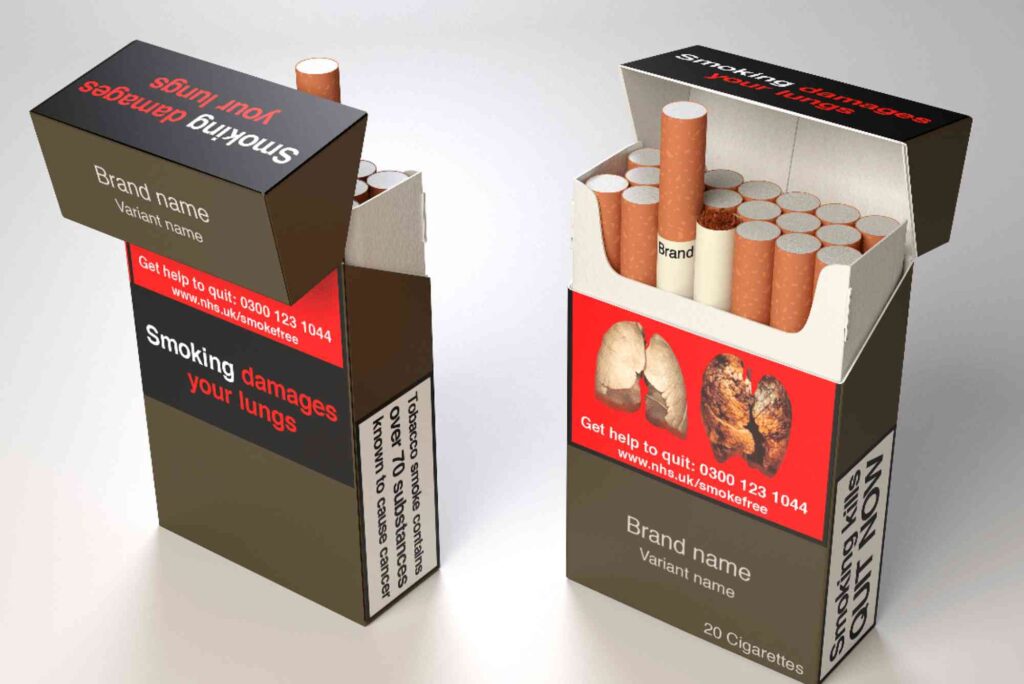
One of the most significant challenges in cigarette packaging design is complying with government regulations. Many countries require prominent health warnings, graphic images, and standardized packaging formats.
Designers must carefully integrate these mandatory elements without compromising overall package functionality. Understanding regional regulations is essential when developing packaging for international markets.
Plain Packaging Laws
Several countries have introduced plain packaging regulations that limit branding opportunities. Under these laws, manufacturers may only use specific colours, fonts, and layouts while health warnings occupy substantial portions of the package surface.
Despite these restrictions, companies continue to explore subtle design techniques that maintain brand identity within legal boundaries.
Compliance and Product Information
Accurate product information is another critical aspect of cigarette packaging design. Tax stamps, manufacturing details, barcode placement, and ingredient disclosures must all be incorporated correctly. Failure to meet compliance requirements can result in costly penalties and product recalls.
Materials Used in Cigarette Packaging Design
The choice of materials directly affects product protection, visual appeal, and consumer perception. High-quality packaging materials help preserve freshness while enhancing the overall user experience.
Paperboard remains the most common material due to its durability, printability, and cost-effectiveness. Premium brands may utilize specialty coatings and finishes to elevate packaging appearance. Sustainable alternatives are also becoming increasingly popular as environmental awareness grows among consumers and regulators.
Modern cigarette packaging design often incorporates recyclable materials and eco-friendly production processes to reduce environmental impact without sacrificing quality.
Structural Design and Functionality
Package Shape and Format
Structural design influences both usability and shelf presence. Traditional flip-top boxes remain the industry standard because they offer convenience and product protection. However, innovative structural concepts continue to emerge as brands seek differentiation.
Slim packs, compact formats, and unique opening mechanisms provide opportunities to enhance the consumer experience while supporting brand identity.
Durability and Protection
Cigarettes are delicate products that require effective protection from moisture, crushing, and contamination. Successful cigarette packaging design ensures product integrity throughout transportation, storage, and consumer use.
Strong construction combined with quality materials helps maintain freshness and product quality while minimizing damage risks.
Printing Techniques in Cigarette Packaging Design
Advanced printing technologies enable brands to achieve exceptional visual effects and premium finishes. High-resolution graphics, metallic inks, and textured coatings contribute to a sophisticated appearance.
Digital printing offers flexibility for limited production runs and personalised packaging campaigns. Offset printing remains popular for large-scale manufacturing due to its efficiency and consistent quality.
Companies looking for inspiration can explore professional packaging design tips to understand how leading brands create visually compelling packaging solutions.
Consumer Psychology and Cigarette Packaging Design
Packaging significantly influences how consumers perceive product quality and brand reputation. Research consistently shows that visual presentation affects purchasing behavior, even when the product itself remains unchanged.
A refined cigarette packaging design can communicate luxury, reliability, and exclusivity. Conversely, poor packaging may negatively impact perceptions of quality and value.
Consumers often associate premium packaging with superior products. As a result, investments in design and finishing techniques can generate substantial returns through enhanced brand positioning and customer loyalty.
Sustainability Trends in Cigarette Packaging Design
Environmental responsibility has become an increasingly important consideration for manufacturers and consumers alike. Sustainable cigarette packaging design focuses on reducing waste, minimizing material usage, and improving recyclability.
Brands are exploring biodegradable materials, water-based inks, and environmentally friendly production methods. Sustainable packaging not only supports environmental goals but also enhances brand reputation among environmentally conscious consumers.
As regulations and consumer expectations continue to evolve, sustainability will likely become a defining factor in future cigarette packaging design strategies.
Technology and Innovation in Packaging
Technological advancements are transforming the packaging industry. Smart packaging solutions, QR codes, and authentication features are becoming more common in cigarette packaging design.
These innovations help combat counterfeiting, improve supply chain transparency, and provide consumers with access to additional product information. Digital integration creates opportunities for enhanced customer engagement while supporting brand protection efforts.
Future developments may include augmented reality experiences, advanced tracking systems, and interactive packaging elements that further enhance consumer interaction.
Choosing the Right Packaging Partner
Developing effective cigarette packaging design requires collaboration with experienced packaging professionals. A reliable packaging partner can provide expertise in structural engineering, printing technologies, material selection, and regulatory compliance.
Working with specialists ensures that packaging solutions meet both branding objectives and legal requirements. Businesses can also visit Buddy Packaging Location to explore professional packaging services and discuss custom packaging requirements.
Cigarette packaging design remains one of the most influential factors in tobacco product branding and consumer perception. From visual identity and structural functionality to compliance and sustainability, every aspect of the packaging contributes to overall brand success.
FAQs
What is cigarette packaging design?
Cigarette packaging design refers to the process of creating the visual appearance, structure, materials, and branding elements used on cigarette packages while ensuring compliance with legal regulations.
Why is cigarette packaging design important?
Cigarette packaging design helps establish brand identity, influence consumer perception, protect products, and communicate essential information while meeting regulatory requirements.
What materials are commonly used in cigarette packaging?
Most cigarette packaging design projects utilize paperboard, specialty coatings, foil finishes, and protective inner liners to ensure durability and product freshness.
How do regulations affect cigarette packaging design?
Government regulations often require health warnings, standardized formats, tax information, and specific labeling requirements that significantly influence cigarette packaging design decisions.
Can cigarette packaging design be environmentally friendly?
Yes. Modern cigarette packaging design increasingly incorporates recyclable materials, sustainable printing methods, and eco-friendly production processes to reduce environmental impact.
What trends are shaping cigarette packaging design today?
Current trends include sustainable materials, smart packaging technology, premium finishes, anti-counterfeiting features, and innovative structural designs that enhance user experience.