Introduction
Corrugated packaging design plays a crucial role in modern product packaging. From eCommerce shipments to retail displays, businesses rely on corrugated packaging to protect products, strengthen branding, and improve customer experiences. A well-planned corrugated packaging design not only ensures product safety during transportation but also communicates brand identity and sustainability values.
As consumer expectations continue to evolve, companies are investing more resources into innovative corrugated packaging design solutions that balance functionality, aesthetics, and environmental responsibility. Whether you are launching a new product or optimizing existing packaging, understanding the fundamentals of corrugated packaging design can help you reduce costs, improve protection, and create a memorable unboxing experience.
What Is Corrugated Packaging Design?
Corrugated packaging design refers to the process of creating packaging solutions using corrugated cardboard materials. Corrugated board consists of a fluted layer sandwiched between linerboards, creating a lightweight yet highly durable structure.
The purpose of corrugated packaging design is to achieve the ideal balance between product protection, transportation efficiency, visual appeal, and sustainability. Every aspect, including dimensions, structural strength, printing, and user experience, contributes to the overall effectiveness of the packaging.
Businesses across industries utilize corrugated packaging design because it offers versatility, affordability, and exceptional protection for a wide variety of products.
Why Corrugated Packaging Design Matters
The packaging is often the first physical interaction a customer has with a product. A thoughtfully developed corrugated packaging design can influence customer perception and purchasing decisions.
Strong packaging minimizes damage during transit, reducing return rates and improving customer satisfaction. In competitive markets, packaging also serves as a marketing tool, helping products stand out on shelves or create memorable online shopping experiences.
Additionally, corrugated packaging design contributes to operational efficiency by optimizing storage space, shipping costs, and handling processes throughout the supply chain.
The Structure Behind Corrugated Packaging Design
Understanding Corrugated Board Components
Every corrugated packaging design begins with selecting the appropriate board structure. The outer liners provide surface durability and printability, while the fluted medium offers cushioning and compression resistance.
The size and shape of the flutes directly affect the board’s performance. Smaller flutes provide smoother printing surfaces, while larger flutes deliver superior cushioning and stacking strength.
Choosing the Right Board Grade
Selecting the proper board grade is one of the most important decisions in corrugated packaging design. Lightweight products may require single-wall boards, while heavier items often need double-wall or triple-wall constructions.
The correct board grade ensures adequate protection without unnecessarily increasing material costs.
Designing for Product Dimensions
Effective corrugated packaging design starts with precise measurements. Oversized boxes can increase shipping costs and product movement, while undersized packaging may compromise protection.
Designers carefully consider product dimensions, weight distribution, and cushioning requirements to create packaging that fits securely and efficiently.
The Role of Branding in Corrugated Packaging Design
Branding has become an essential component of corrugated packaging design. Modern consumers expect packaging that reflects the quality and personality of the brand.
Custom printing techniques allow businesses to showcase logos, brand colours, messaging, and promotional content directly on corrugated surfaces. This transforms ordinary shipping boxes into powerful marketing assets.
Many companies enhance their branding strategy through Custom Packaging, allowing them to create unique packaging experiences that strengthen customer loyalty and brand recognition.
A distinctive corrugated packaging design can help businesses differentiate themselves in crowded markets while reinforcing their visual identity.
Sustainability and Corrugated Packaging Design
Environmental concerns are shaping the future of packaging. Corrugated packaging design is widely recognized as one of the most sustainable packaging solutions available today.
Corrugated materials are typically manufactured using renewable resources and contain high levels of recycled content. They are also recyclable after use, supporting circular economy initiatives.
Modern corrugated packaging design focuses on reducing material waste, minimizing excess packaging, and improving transportation efficiency. These efforts help businesses lower their environmental impact while meeting growing consumer demand for sustainable products.
Companies that prioritize eco-friendly corrugated packaging design often gain a competitive advantage among environmentally conscious consumers.
Design Considerations for eCommerce Packaging
The rapid growth of online shopping has significantly increased demand for innovative corrugated packaging design.
Products shipped directly to consumers face numerous handling stages, making durability a top priority. Packaging must withstand impacts, stacking pressure, and transportation vibrations without damaging the contents.
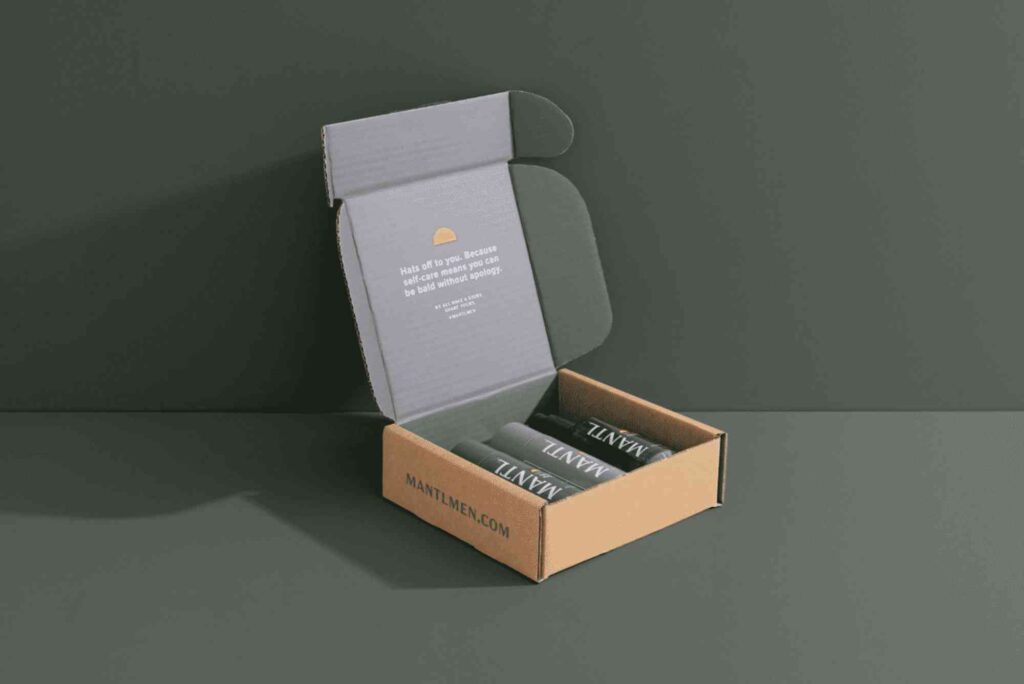
At the same time, eCommerce brands use corrugated packaging design to create engaging unboxing experiences. Thoughtful structural features, attractive graphics, and easy-opening mechanisms contribute to customer satisfaction and social media sharing.
The best eCommerce packaging combines protection, branding, and convenience in a single corrugated packaging design solution.
Enhancing Customer Experience Through Packaging
Packaging has evolved beyond simple product protection. Today’s customers often judge brands based on the quality of their packaging experience.
A well-executed corrugated packaging design makes products easier to open, handle, store, and dispose of responsibly. Clean graphics, organized presentation, and secure product placement all contribute to positive customer impressions.
The unboxing experience has become particularly important for subscription services, luxury brands, and direct-to-consumer businesses. Strategic corrugated packaging design helps create excitement and emotional connections that encourage repeat purchases.
Printing and Graphics in Corrugated Packaging Design
Visual presentation plays a major role in packaging effectiveness. Modern printing technologies allow businesses to produce high-quality graphics directly on corrugated materials.
Corrugated packaging design often incorporates vibrant colours, product information, promotional messaging, and storytelling elements. These graphics help attract attention and communicate value.
Before finalizing artwork, many designers explore sources of packaging design inspiration to understand emerging trends and creative approaches used by leading brands worldwide.
By combining strong visuals with practical functionality, businesses can maximize the impact of their corrugated packaging design.
Common Challenges in Corrugated Packaging Design
Designing effective packaging involves balancing multiple objectives simultaneously.
One challenge is achieving sufficient protection without overusing materials. Excessive packaging increases costs and environmental impact, while insufficient packaging raises the risk of product damage.
Another challenge involves maintaining brand consistency across different product lines and packaging formats. Corrugated packaging design must remain functional while supporting overall brand identity.
Supply chain requirements, shipping regulations, and production capabilities can also influence design decisions. Successful packaging projects require collaboration between designers, manufacturers, logistics teams, and brand managers.
Emerging Trends in Corrugated Packaging Design
The packaging industry continues to evolve as consumer preferences and technologies change.
Digital printing has enabled greater customisation and shorter production runs, allowing brands to personalise corrugated packaging design more efficiently than ever before.
Minimalist packaging aesthetics are gaining popularity because they communicate simplicity, sustainability, and premium quality. Clean layouts and strategic use of graphics help create modern packaging experiences.
Smart packaging technologies are also emerging. QR codes, augmented reality experiences, and digital tracking systems are increasingly integrated into corrugated packaging design to enhance customer engagement and supply chain visibility.
Sustainability-driven innovations, including lightweight materials and optimized structural engineering, continue to shape future packaging developments.
Testing and Quality Assurance
A corrugated packaging design should always undergo rigorous testing before full-scale production.
Testing evaluates factors such as compression strength, impact resistance, moisture performance, and transportation durability. These assessments help identify weaknesses and ensure the packaging performs as intended.
Quality assurance processes protect both the brand and the customer by reducing the likelihood of product damage and packaging failures.
Investing in testing ultimately leads to more reliable corrugated packaging design solutions and improved customer satisfaction.
Finding Reliable Packaging Partners
Selecting the right packaging supplier is essential for successful implementation. Experienced packaging partners can provide valuable insights into materials, printing methods, structural engineering, and production efficiencies.
Businesses seeking professional packaging support can explore the Buddy Packaging Location for expert guidance and customised packaging solutions tailored to specific product requirements.
Working with knowledgeable professionals helps ensure that corrugated packaging design projects achieve their performance, branding, and sustainability goals.
Corrugated packaging design is far more than creating a box. It is a strategic process that combines engineering, branding, sustainability, and customer experience into a single packaging solution. As businesses face increasing competition and growing consumer expectations, investing in effective corrugated packaging design can deliver significant advantages.
From protecting products during shipment to strengthening brand recognition and supporting environmental initiatives, corrugated packaging design remains one of the most versatile and valuable packaging options available today.
FAQs
What is corrugated packaging design?
Corrugated packaging design is the process of creating packaging solutions using corrugated cardboard materials to protect products, improve branding, and optimize shipping efficiency.
Why is corrugated packaging used for shipping?
Corrugated packaging is widely used because it provides excellent strength, cushioning, durability, and cost-effectiveness while remaining lightweight.
Is corrugated packaging environmentally friendly?
Yes. Most corrugated packaging is recyclable, often contains recycled content, and is produced from renewable resources, making it a sustainable packaging option.
How does corrugated packaging design improve product protection?
Corrugated packaging design uses engineered board structures, proper dimensions, and protective features to reduce movement, absorb impacts, and prevent damage during transportation.
What industries use corrugated packaging design?
Industries including eCommerce, food and beverage, electronics, healthcare, cosmetics, retail, and manufacturing commonly use corrugated packaging design.
Can corrugated packaging be customised?
Yes. Corrugated packaging design supports custom sizes, structural features, printing options, graphics, and branding elements to meet specific business requirements.
How do I choose the right corrugated packaging design?
The ideal corrugated packaging design depends on product size, weight, shipping conditions, branding objectives, sustainability goals, and customer experience requirements.