Mid Range Speaker Box Design For Car
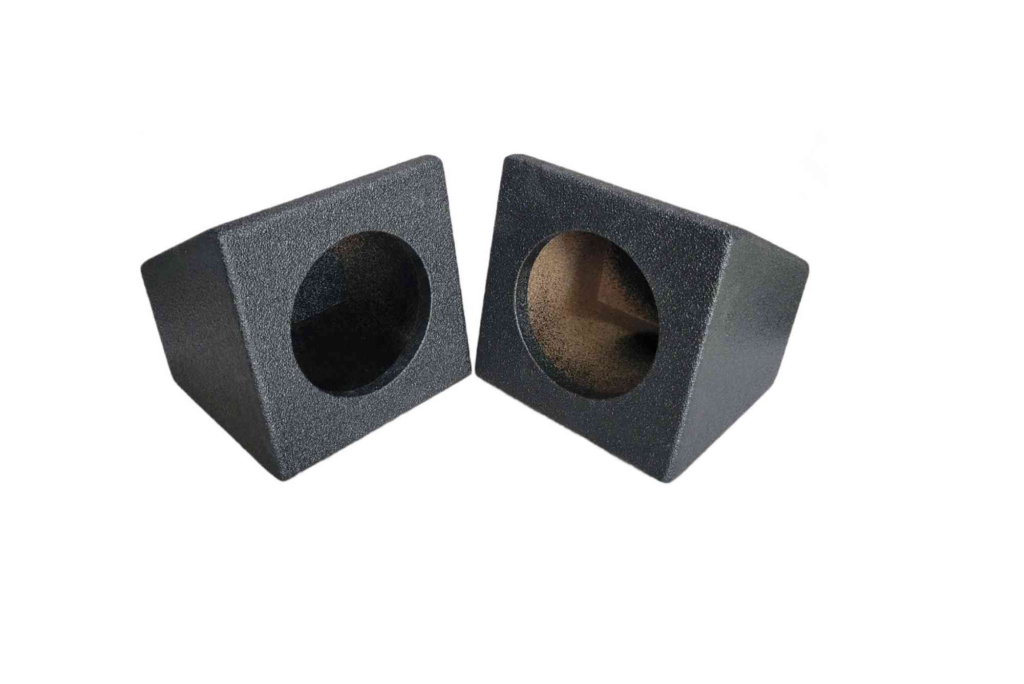
A well-planned mid range speaker box design for car audio systems can dramatically improve sound quality. Many car audio enthusiasts focus heavily on subwoofers and amplifiers, yet the mid-range speakers are responsible for reproducing vocals, instruments, and much of the detail that makes music enjoyable. When the enclosure is designed correctly, mid-range drivers produce cleaner sound, better clarity, and more accurate frequency response.
The purpose of a mid-range speaker enclosure is to control the movement of air around the speaker. Without a proper enclosure, unwanted vibrations and sound waves can interfere with performance. As a result, the music may sound muddy or distorted. A carefully engineered mid range speaker box design for car applications helps eliminate these problems and allows the speakers to perform at their full potential.
Whether you are building a custom audio setup or upgrading an existing system, understanding speaker box design principles will help you achieve better sound quality and a more enjoyable driving experience.
Why Mid Range Speaker Boxes Matter
Mid-range speakers handle frequencies that fall between bass and treble. This frequency range contains the majority of vocals, guitars, pianos, and many other instruments. Because these sounds are central to most music genres, enclosure design has a significant impact on listening quality.
A properly designed enclosure improves speaker efficiency while reducing unwanted resonance. It also protects the speaker from external interference inside the vehicle. In many cases, installers notice improved sound staging and enhanced vocal clarity after upgrading their speaker enclosures.
The effectiveness of a mid range speaker box design for car installations depends on several factors, including box volume, material selection, speaker specifications, and vehicle acoustics. When all these elements work together, the result is a balanced and natural sound signature.
Understanding Enclosure Types
The design of a speaker box influences how the speaker behaves. Different enclosure styles can affect output, frequency response, and overall sound quality.
Sealed Enclosures
Sealed boxes are among the most popular choices for mid-range speakers. They provide tight and accurate sound reproduction while minimising distortion. Since the enclosure is airtight, the speaker cone remains well-controlled throughout its movement.
For listeners who prioritise sound quality over maximum volume, sealed designs are often the preferred option. They are also relatively simple to build and require less space inside the vehicle.
Ported Enclosures
Ported designs include a vent or port that allows air to move in and out of the enclosure. This can increase efficiency and improve output at specific frequencies. However, ported boxes require more precise calculations and tuning.
If designed incorrectly, a ported enclosure may introduce unwanted resonance or colouration. Therefore, careful planning is essential when choosing this style.
Custom Enclosures
Many enthusiasts prefer custom-built solutions that match their vehicle’s interior. Custom enclosures can maximise available space while maintaining excellent sound quality. Custom Boxes They also provide opportunities for creative styling and integration.
Professional installers often use advanced modelling software to determine the ideal dimensions for a custom mid range speaker box design for car projects.
Choosing the Right Materials
Material selection plays a crucial role in enclosure performance. Strong and dense materials reduce vibration and help maintain structural integrity.
Medium-density fibreboard, commonly known as MDF, remains one of the most popular choices. Its density helps minimise resonance and provides a stable platform for speakers. Plywood is another option, especially when weight reduction is important.
The table below highlights common enclosure materials and their characteristics.
| Material | Durability | Sound Quality | Weight |
|---|---|---|---|
| MDF | High | Excellent | Heavy |
| Birch Plywood | High | Very Good | Moderate |
| Fibreglass | Moderate | Very Good | Light |
| Plastic Composite | Moderate | Good | Light |
Many custom installers combine materials to achieve the desired balance between strength, appearance, and weight.
Calculating the Correct Box Size
One of the most important aspects of a mid range speaker box design for car systems is enclosure volume. Every speaker has recommended specifications provided by the manufacturer. These recommendations help determine the ideal box size.
If the enclosure is too small, the speaker may sound restricted and lose low-frequency extension. On the other hand, an oversized box can reduce control and introduce distortion.
Accurate measurements ensure the speaker performs as intended. Before construction begins, it is essential to review the manufacturer’s technical data and calculate internal volume carefully.
Proper sizing also contributes to better efficiency. The speaker requires less power to achieve the same output level when operating within its optimal enclosure volume.
Acoustic Treatment and Internal Damping
Internal damping materials help absorb unwanted reflections inside the enclosure. box design tips These reflections can interfere with sound waves and reduce clarity.
Acoustic foam, polyester fibre, and specialised damping materials are commonly used inside speaker boxes. These materials reduce resonance and create a smoother frequency response.
In addition, applying sound-deadening products around the vehicle doors and panels can further enhance performance. Together, these improvements help create a cleaner listening environment.
A well-treated mid range speaker box design for car systems often delivers more accurate vocals and improved instrument separation.
Speaker Placement Considerations
Even the best enclosure design can underperform if speaker placement is poor. Vehicle interiors present unique acoustic challenges due to limited space and reflective surfaces.
Positioning speakers at appropriate angles can improve sound staging and imaging. Many installers aim to direct mid-range drivers toward the listener whenever possible.
Door-mounted installations remain common because they provide convenient placement and sufficient space. However, custom kick panels and dashboard enclosures can sometimes offer superior results.
Proper placement works together with enclosure design to maximise overall performance.
Common Design Mistakes
Many car audio enthusiasts encounter problems because they overlook important design principles. One common mistake involves using incorrect enclosure dimensions. Another frequent issue is selecting materials that lack sufficient rigidity.
Poor sealing can also reduce performance. Air leaks allow pressure to escape, which affects speaker control and frequency response. Careful assembly and sealing help prevent these issues.
Ignoring manufacturer recommendations is another mistake that can limit performance. Every speaker has unique requirements, and those specifications should guide the design process.
By avoiding these errors, builders can achieve a more effective mid range speaker box design for car applications.
Customisation and Aesthetic Appeal
Modern car audio projects often combine performance with visual appeal. Custom finishes, lighting effects, and unique shapes can transform a speaker enclosure into a standout feature.
Many enthusiasts work with Custom Boxes to create personalised enclosures that match their vehicle interiors. These solutions allow for greater flexibility while maintaining acoustic performance.
Designers frequently incorporate premium finishes such as carpet, vinyl, leather, or painted surfaces. These enhancements improve appearance without compromising sound quality.
Those seeking additional inspiration often research professional box design tips to discover innovative enclosure concepts and construction methods.
Furthermore, visiting a reputable Buddy Packaging Location can provide valuable insights into materials, fabrication techniques, and custom finishing options for audio projects.
Maintenance and Long-Term Performance
Once installed, speaker enclosures require periodic inspection. Over time, vibration can loosen mounting hardware or create small air leaks.
Checking screws, seals, and internal components helps maintain optimal performance. Keeping the enclosure clean also prevents dust accumulation that could affect speaker operation.
Environmental factors such as heat and humidity may influence enclosure materials over time. Choosing quality materials from the beginning helps ensure durability and long-term reliability.
Regular maintenance allows a mid range speaker box design for car system to continue delivering excellent sound quality for years.
buddypackaging.co.uk offers innovative and eco-friendly packaging solutions for businesses of all sizes. From custom boxes to sustainable materials, they help brands stand out while caring for the environment. Their expert team ensures high-quality, reliable, and stylish packaging that meets every need.
FAQ
Do mid-range speakers need a box?
Yes, many mid-range speakers benefit from a dedicated enclosure. A properly designed box improves clarity, reduces distortion, and enhances overall sound quality.
What is the best material for a mid-range speaker box?
MDF is generally considered the best option because of its density and resistance to vibration. It delivers excellent acoustic performance and durability.
How big should a mid-range speaker box be?
The ideal size depends on the speaker specifications provided by the manufacturer. Following recommended enclosure volume guidelines ensures optimal performance.
Is a sealed box better for mid-range speakers?
In many cases, yes. Sealed enclosures provide accurate sound reproduction and excellent control, making them a popular choice for mid-range drivers.
Can I install mid-range speakers in car doors?
Yes, door installations are common. However, proper sealing and sound treatment are important to achieve the best results.
How can I improve my car speaker sound quality?
Improving enclosure design, adding sound-deadening materials, choosing quality components, and optimising speaker placement can significantly enhance sound quality.
Conclusion
Creating the ideal mid range speaker box design for car systems requires careful planning, accurate measurements, and quality materials. When designed correctly, the enclosure improves clarity, reduces distortion, and enhances the overall listening experience. Every aspect, from box volume to internal damping, contributes to the final sound quality.
Whether you are building a new audio system or upgrading an existing setup, investing time in enclosure design will deliver noticeable benefits. By following proven design principles and focusing on quality construction, you can achieve impressive results that transform your in-car audio experience.
If you are planning your next car audio upgrade, start designing a custom enclosure today and experience the difference that a professionally engineered mid-range speaker box can make.