Introduction
Coffee is one of the most competitive products in the global food and beverage market. With thousands of brands fighting for attention on store shelves and online marketplaces, a strong coffee bean packaging design can be the difference between a customer choosing your product or a competitor’s. Packaging is no longer just a container; it serves as a powerful marketing tool that communicates brand identity, quality, and value.
A well-crafted coffee bean packaging design protects freshness while creating a memorable experience for customers. Whether you are launching a specialty coffee brand or redesigning an existing product line, understanding the principles of effective packaging can help increase brand recognition and sales.
Why Coffee Bean Packaging Design Matters
The coffee industry continues to grow rapidly, making competition more intense than ever. Consumers often make purchasing decisions within seconds, and packaging plays a significant role in influencing those choices.
A successful coffee bean packaging design helps:
- Build trust with customers
- Differentiate products from competitors
- Communicate brand values
- Preserve coffee freshness
- Increase shelf appeal
- Improve customer experience
When customers see premium packaging, they often associate it with premium coffee quality. This perception can directly impact purchasing behavior and brand loyalty.
The Role of Branding in Coffee Bean Packaging Design
Branding is the foundation of any successful coffee bean packaging design. Every visual element should reflect your brand personality and target audience.
Creating a Memorable Brand Identity
Your packaging should instantly tell customers who you are. Specialty coffee brands often focus on artisan craftsmanship, sustainability, or unique sourcing stories.
Elements that contribute to brand identity include:
- Logo placement
- Typography
- Colour palette
- Packaging shape
- Brand messaging
Consistency across all packaging materials helps establish trust and recognition.
Telling Your Coffee Story
Modern consumers want more than just great coffee. They want to know where it comes from and how it was produced.
Including details about:
- Origin country
- Farm information
- Roast profile
- Flavor notes
- Sustainability practices
can create a stronger connection between the customer and your brand.
Essential Elements of Coffee Bean Packaging Design
Every successful coffee bean packaging design includes several important components that work together to create a cohesive product presentation.
Eye-Catching Visual Design
Visual appeal is often the first thing customers notice. Strong graphics, creative illustrations, and thoughtful layouts can help your coffee stand out.
The most effective designs balance creativity with clarity. Customers should immediately understand what product they are purchasing.
Clear Product Information
Customers expect important details to be easily accessible.
Information commonly included on coffee packaging includes:
- Coffee type
- Roast level
- Net weight
- Brewing recommendations
- Best-before date
- Certification labels
A cluttered package can confuse buyers, so information hierarchy is critical.
High-Quality Typography
Typography influences how customers perceive your brand. Premium coffee brands often use elegant serif fonts, while modern brands may choose clean sans-serif styles.
The chosen typeface should enhance readability while supporting the overall brand personality.
Choosing the Right Packaging Materials
Material selection is one of the most important decisions in coffee bean packaging design because it affects both functionality and sustainability.
Foil-Lined Coffee Bags
Foil-lined bags provide excellent protection against:
- Oxygen
- Moisture
- Light
- External odors
These factors help preserve freshness and maintain flavor quality.
Kraft Paper Packaging
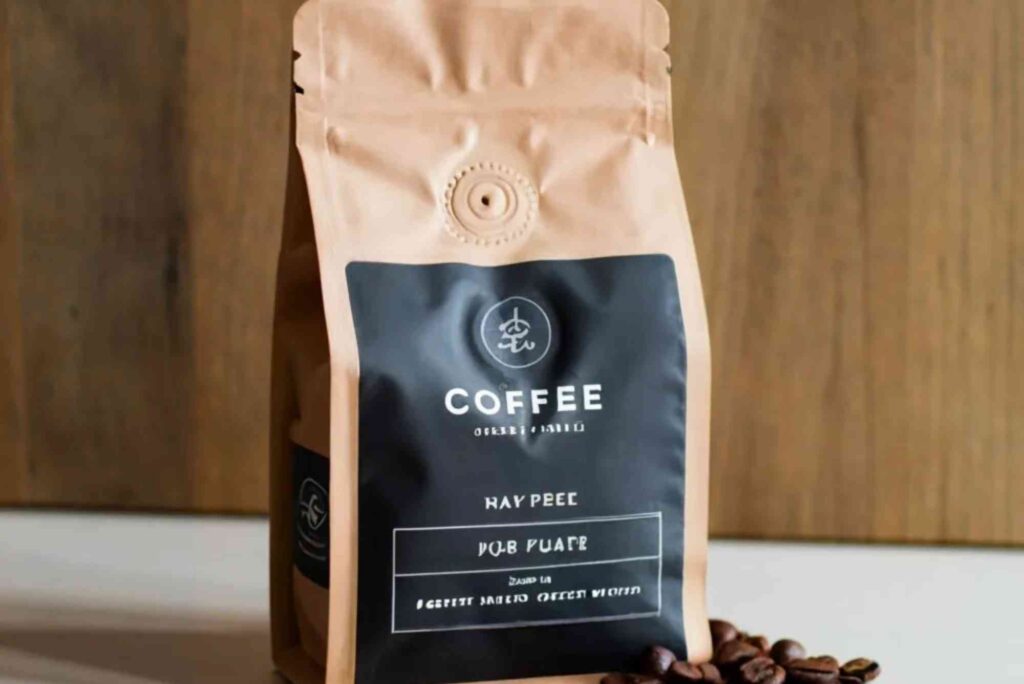
Kraft paper bags are popular among eco-conscious brands because they create a natural and sustainable appearance.
Many consumers associate kraft packaging with authenticity and environmental responsibility.
Recyclable and Compostable Materials
Sustainability has become a major purchasing factor. More coffee brands are investing in recyclable and compostable packaging solutions.
Eco-friendly coffee bean packaging design demonstrates corporate responsibility and appeals to environmentally conscious consumers.
How Packaging Protects Coffee Freshness
Coffee freshness is a critical aspect of customer satisfaction. Even the most attractive coffee bean packaging design will fail if the product loses quality before consumption.
Degassing Valves
Freshly roasted coffee releases carbon dioxide for several days after roasting.
One-way degassing valves allow gas to escape without letting oxygen enter the package. This feature helps maintain freshness and prevents package expansion.
Resealable Closures
Many premium coffee brands use resealable zippers to improve convenience and extend product freshness after opening.
Customers appreciate packaging that is practical and easy to use.
Current Trends in Coffee Bean Packaging Design
Consumer preferences continue to evolve, influencing packaging trends across the coffee industry.
Minimalist Design
Minimalism remains one of the strongest trends in coffee bean packaging design.
Simple layouts, clean typography, and limited colour palettes often communicate sophistication and premium quality.
Bold Illustrations and Artwork
Artistic packaging has become increasingly popular among specialty coffee roasters.
Custom illustrations help brands create unique shelf presence while communicating creativity and authenticity.
Transparent Packaging Windows
Some brands include transparent sections that allow customers to view the coffee beans directly.
This approach builds confidence and demonstrates product quality.
Sustainable Packaging Solutions
Environmental awareness continues to drive innovation in packaging design.
Consumers actively seek brands that reduce waste and prioritize sustainability.
The Psychology Behind Coffee Packaging Colours
Colour influences consumer perception and emotional response.
Black Packaging
Black often communicates luxury, sophistication, and premium quality.
Many specialty coffee brands use black packaging to position themselves in the premium market segment.
Green Packaging
Green is associated with sustainability, organic products, and environmental responsibility.
Brown and Earth Tones
Natural colours reflect authenticity and connection to coffee’s agricultural origins.
Bright Colours
Vibrant colours help products stand out and appeal to younger audiences seeking unique experiences.
Designing Packaging for Different Coffee Audiences
Different customer segments respond to different packaging styles.
Specialty Coffee Consumers
These customers value:
- Origin transparency
- Roast details
- Sustainability
- Craftsmanship
Their preferred coffee bean packaging design often includes educational information and premium aesthetics.
Mass Market Consumers
Mainstream buyers typically prioritize:
- Convenience
- Value
- Brand familiarity
Packaging should emphasize clarity and ease of understanding.
Luxury Coffee Buyers
Luxury consumers expect exceptional presentation, premium materials, and sophisticated design elements.
Every detail contributes to the perception of exclusivity.
Custom Coffee Packaging for Brand Growth
As competition increases, custom packaging provides a significant advantage.
Businesses seeking unique solutions often invest in Custom Packaging to create memorable customer experiences and strengthen brand recognition.
Custom solutions allow greater flexibility in size, structure, graphics, and finishing techniques.
Finding Coffee Packaging Design Inspiration
Research is an important part of the design process. Exploring successful packaging examples can help identify trends and creative opportunities.
Many designers use packaging design inspiration resources to study award-winning projects and innovative packaging concepts from around the world.
Analyzing successful designs can provide valuable insights into consumer preferences and market expectations.
Working with Professional Packaging Experts
Professional packaging designers understand the balance between aesthetics, functionality, and manufacturing requirements.
Experienced specialists can help optimize:
- Material selection
- Print quality
- Branding consistency
- User experience
- Regulatory compliance
For businesses looking for packaging consultation or design support, visiting the Buddy Packaging Location can provide access to industry expertise and customised packaging solutions.
Common Mistakes in Coffee Bean Packaging Design
Many brands make avoidable packaging mistakes that reduce effectiveness.
Overcrowded Layouts
Too much information can overwhelm customers and weaken visual impact.
Ignoring Shelf Visibility
Packaging should remain recognizable from a distance.
Poor Material Choices
Low-quality materials can negatively affect freshness and brand perception.
Inconsistent Branding
A lack of consistency across product lines can confuse customers and weaken brand identity.
The Future of Coffee Bean Packaging Design
Technology and sustainability will continue shaping the future of coffee bean packaging design.
Emerging innovations include:
- Smart packaging
- QR code storytelling
- Compostable materials
- Interactive customer experiences
- Digital product authentication
Brands that embrace these innovations will be better positioned to meet evolving consumer expectations.
An effective coffee bean packaging design combines aesthetics, functionality, branding, and sustainability into a single customer experience. Great packaging not only protects coffee freshness but also communicates your brand story, attracts attention, and encourages repeat purchases.
FAQs
What is the best material for coffee bean packaging?
Foil-lined bags are widely considered one of the best options because they protect coffee from oxygen, moisture, and light while preserving freshness.
Why do coffee bags have valves?
Coffee bags use one-way degassing valves to release carbon dioxide from freshly roasted beans without allowing oxygen to enter.
How important is packaging design for coffee sales?
Packaging design is extremely important because it influences first impressions, brand recognition, purchasing decisions, and customer loyalty.
What colours work best for coffee packaging?
Black, brown, green, and earth tones are commonly used because they communicate premium quality, sustainability, and authenticity.
How can sustainable coffee packaging benefit a brand?
Sustainable packaging appeals to environmentally conscious consumers, enhances brand reputation, and helps reduce environmental impact.
What should be included on coffee bean packaging?
Coffee bean packaging should include roast level, origin information, flavor notes, weight, brewing recommendations, expiration dates, and branding elements.
How do I create a unique coffee bean packaging design?
Focus on developing a strong brand identity, using distinctive visuals, selecting high-quality materials, and telling a compelling coffee story that resonates with your target audience.