Introduction
Chocolate is more than just a sweet treat—it is an experience. From luxury gift boxes to eco-friendly wrappers, packaging plays a crucial role in how consumers perceive and purchase chocolate products. A well-executed creative chocolate packaging design can instantly capture attention, communicate brand values, and influence buying decisions.
In today’s highly competitive confectionery market, businesses are investing heavily in innovative packaging solutions that combine aesthetics, functionality, and sustainability. Whether you own a small artisan chocolate brand or a large-scale confectionery company, understanding the principles of creative chocolate packaging design can help elevate your products and strengthen your market presence.
Why Creative Chocolate Packaging Design Matters
The first interaction a customer has with a chocolate product is often through its packaging. Before tasting the chocolate, consumers judge its quality, value, and appeal based on visual presentation.
A successful creative chocolate packaging design creates a memorable first impression, differentiates products from competitors, and builds emotional connections with buyers. Premium packaging can also justify higher pricing by enhancing the perceived value of the product.
In gift-oriented markets, packaging often becomes just as important as the chocolate itself. Customers are more likely to purchase products that look elegant, unique, and thoughtfully designed.
The Psychology Behind Chocolate Packaging
Packaging influences consumer behavior in subtle but powerful ways. Colors, textures, typography, and shapes all contribute to how people perceive a product.
Color Selection and Emotional Impact
Dark tones such as black, navy, and deep brown often communicate luxury and sophistication. Bright colors like red, yellow, and orange create excitement and attract attention. Pastel shades can evoke feelings of elegance and delicacy.
A thoughtfully planned creative chocolate packaging design uses color psychology to reinforce brand identity and target specific customer preferences.
Typography and Brand Personality
Typography helps communicate a brand’s voice. Elegant serif fonts often suggest premium quality, while modern sans-serif fonts create a contemporary feel. Handwritten styles can emphasize craftsmanship and authenticity.
Texture and Sensory Experience
Consumers appreciate packaging that feels as premium as it looks. Embossing, foil stamping, soft-touch coatings, and textured papers contribute to a more luxurious unboxing experience.
Key Elements of Creative Chocolate Packaging Design
Designing chocolate packaging requires balancing visual appeal with practical functionality.
Brand Storytelling
Every chocolate brand has a story. Packaging provides an opportunity to communicate heritage, ingredients, sourcing practices, and craftsmanship. Effective storytelling creates emotional engagement and strengthens brand loyalty.
Product Protection
Chocolate is sensitive to temperature, moisture, and handling. A successful creative chocolate packaging design must protect the product while maintaining freshness and quality throughout transportation and storage.
Sustainability
Modern consumers increasingly prefer environmentally responsible brands. Sustainable materials such as recycled cardboard, biodegradable films, and reusable containers are becoming essential components of packaging design strategies.
Shelf Visibility
Retail environments are crowded. Packaging should stand out while remaining consistent with the brand identity. Strategic use of color, shape, and graphics can significantly improve visibility on store shelves.
Popular Trends in Creative Chocolate Packaging Design
Consumer preferences evolve continuously, and packaging trends reflect these changing expectations.
Minimalist Packaging
Minimalist designs focus on clean layouts, simple typography, and restrained color palettes. This approach conveys sophistication while allowing product quality to take center stage.
Eco-Friendly Packaging Solutions
Sustainability is no longer optional. Brands are embracing recyclable materials, compostable wrappers, and reduced packaging waste to appeal to environmentally conscious consumers.
Luxury Gift Packaging
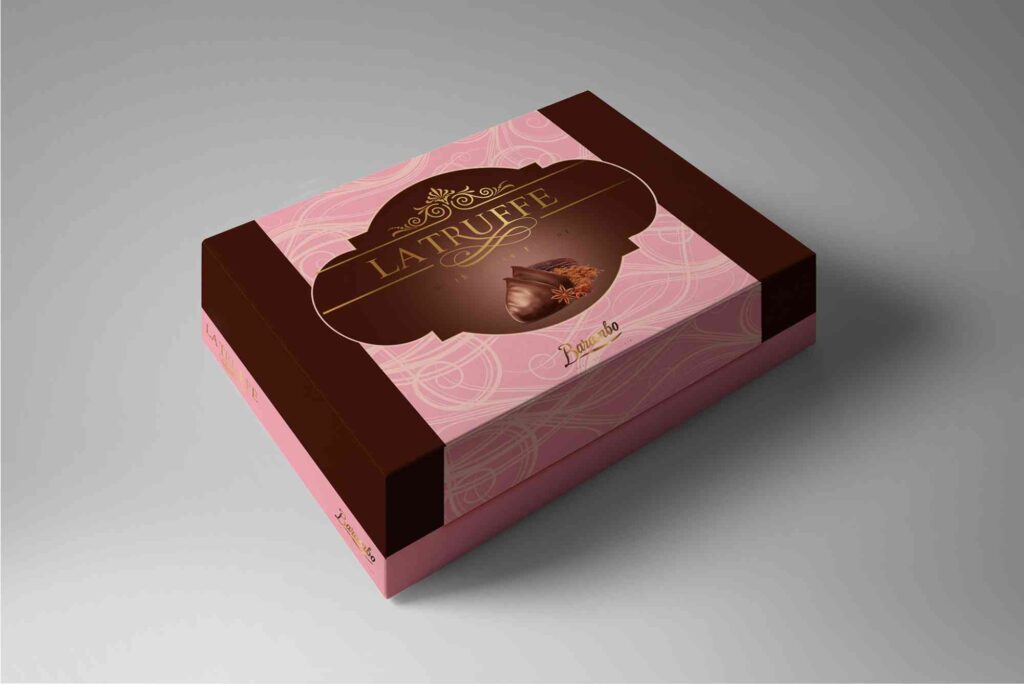
Premium chocolates often rely on elegant boxes, magnetic closures, ribbon accents, and premium finishes. Luxury-oriented creative chocolate packaging design enhances the gifting experience and increases perceived value.
Personalised Packaging
Customisation is becoming increasingly popular. Personalised messages, limited-edition artwork, and seasonal designs help create unique customer experiences.
Interactive Packaging
QR codes, augmented reality experiences, and digital storytelling elements allow brands to connect packaging with online content, providing customers with deeper engagement opportunities.
Choosing Materials for Chocolate Packaging
Material selection significantly affects both functionality and appearance.
Paperboard Packaging
Paperboard remains one of the most popular choices due to its versatility, print quality, and sustainability. It allows for numerous customisation options while offering reliable protection.
Rigid Boxes
Rigid boxes are commonly used for premium chocolate collections. Their durability and luxurious feel make them ideal for gifting occasions.
Flexible Wrappers
Flexible packaging solutions offer convenience and cost-effectiveness. Modern printing technologies allow brands to create visually striking designs on flexible materials.
Sustainable Alternatives
Many brands are replacing traditional plastics with biodegradable and recyclable materials to support environmental goals and consumer expectations.
Businesses seeking high-quality Custom Packaging can explore solutions tailored to their branding and product requirements through.
How Packaging Influences Brand Recognition
Strong packaging design contributes significantly to brand recognition. Consistent use of colors, logos, graphics, and messaging helps customers quickly identify products across various retail environments.
A memorable creative chocolate packaging design becomes a visual signature that distinguishes a brand from competitors. Over time, customers begin associating specific design elements with quality and trust.
Well-known chocolate brands often maintain recognizable packaging structures while introducing subtle updates to stay relevant without losing their identity.
Designing Packaging for Different Chocolate Categories
Different types of chocolate products require different packaging approaches.
Artisan Chocolates
Artisan brands often emphasize craftsmanship, authenticity, and premium ingredients. Packaging typically incorporates handcrafted aesthetics and storytelling elements.
Luxury Chocolates
Luxury products benefit from sophisticated finishes, premium materials, and elegant visual presentation. Every aspect of the creative chocolate packaging design should reinforce exclusivity.
Children’s Chocolates
Bright colors, playful illustrations, and engaging characters help attract younger audiences while ensuring product safety and functionality.
Seasonal and Gift Chocolates
Special occasions such as Valentine’s Day, Christmas, and Easter provide opportunities for unique packaging concepts that create excitement and encourage impulse purchases.
The Role of Packaging in E-Commerce Success
Online shopping has changed the way consumers interact with products. Since customers cannot physically examine products before purchasing, packaging imagery becomes even more important.
For e-commerce brands, creative chocolate packaging design must photograph well, protect products during shipping, and create a memorable unboxing experience. Positive unboxing experiences often lead to social media sharing and customer referrals.
Packaging that arrives in perfect condition reflects professionalism and reinforces consumer confidence in the brand.
Best Practices for Creative Chocolate Packaging Design
Successful packaging projects begin with understanding customer preferences and market positioning. Research, prototyping, and testing help identify the most effective design solutions.
Brands should focus on balancing aesthetics with practicality, ensuring compliance with labeling regulations, and maintaining consistency across product lines.
For additional inspiration and professional packaging design tips, many designers and brand owners explore resources available at.
Working with Professional Packaging Experts
Collaborating with experienced packaging professionals can significantly improve project outcomes. Designers understand material limitations, printing techniques, structural engineering, and consumer psychology.
Companies that invest in professional creative chocolate packaging design often achieve stronger brand recognition, higher customer satisfaction, and improved sales performance.
Businesses looking to connect with packaging specialists can also explore the Buddy Packaging Location at
Future of Creative Chocolate Packaging Design
The future of chocolate packaging will likely be shaped by sustainability, personalisation, and technological innovation. Smart packaging solutions, enhanced digital experiences, and environmentally friendly materials will continue influencing consumer expectations.
Brands that embrace innovation while maintaining strong design principles will be better positioned to succeed in increasingly competitive markets.
As customer preferences evolve, investing in creative chocolate packaging design will remain a critical component of effective product marketing and brand development.
A thoughtful creative chocolate packaging design does much more than protect a product. It communicates brand values, enhances customer experiences, supports sustainability goals, and influences purchasing decisions. Whether targeting luxury buyers, gift shoppers, or everyday consumers, packaging serves as a powerful marketing tool that directly impacts business success.
FAQs
What makes chocolate packaging creative?
Creative chocolate packaging combines unique visual design, innovative materials, storytelling elements, and functional features that differentiate the product from competitors while appealing to consumers.
Why is packaging important for chocolate brands?
Packaging influences first impressions, protects product quality, supports branding efforts, and plays a significant role in customer purchasing decisions.
What materials are best for chocolate packaging?
Popular materials include paperboard, rigid boxes, recyclable cardboard, biodegradable films, and premium specialty papers depending on the brand’s goals and budget.
How can sustainable packaging improve chocolate sales?
Many consumers prefer environmentally responsible products. Sustainable packaging can enhance brand reputation, attract eco-conscious buyers, and strengthen customer loyalty.
What are the latest trends in creative chocolate packaging design?
Current trends include minimalist designs, eco-friendly materials, luxury gift packaging, personalised packaging, and interactive digital experiences.
How does packaging affect consumer buying behavior?
Packaging influences perceptions of quality, value, trustworthiness, and brand personality. Attractive packaging often encourages impulse purchases and repeat buying.
Can custom packaging help small chocolate businesses compete?
Yes. Custom packaging helps small businesses establish a distinctive identity, communicate brand values, and create memorable customer experiences that compete effectively with larger brands.