Introduction
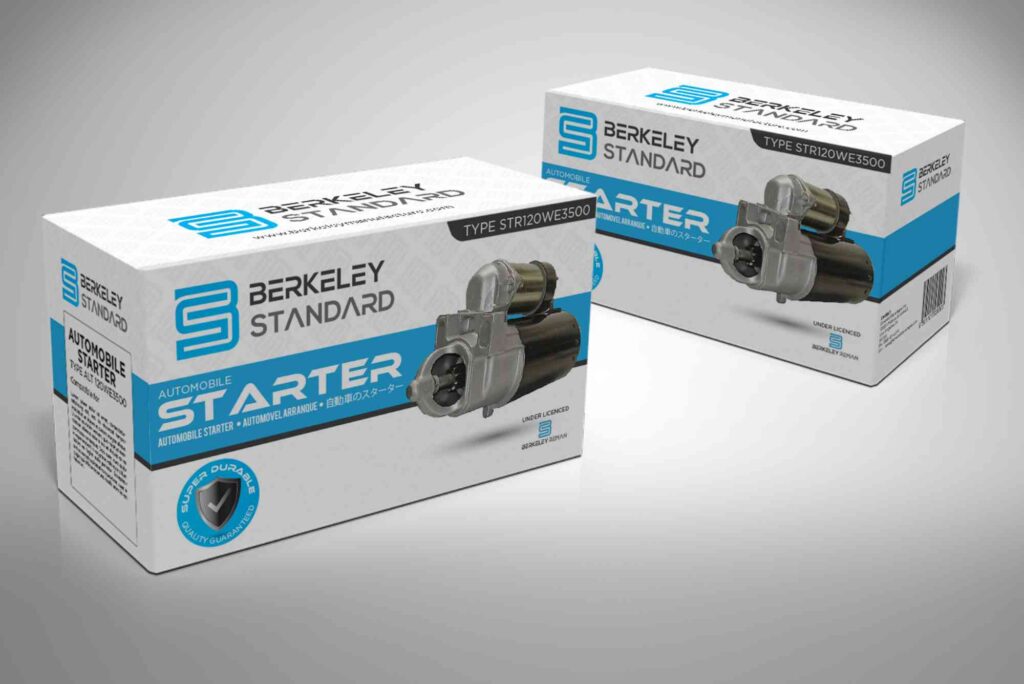
In the fast-evolving automotive industry, product quality goes far beyond manufacturing. Every component, spare part, and accessory must reach its destination safely, efficiently, and in perfect condition. That’s where automotive packaging design plays a crucial role. From protecting delicate engine components to enhancing brand perception, packaging has become a strategic asset for automotive businesses.
Whether you’re a manufacturer, supplier, distributor, or aftermarket brand, understanding automotive packaging design can directly impact operational efficiency, customer satisfaction, and long-term profitability.
This guide explores the principles, materials, trends, and practical strategies behind successful automotive packaging systems.
What Is Automotive Packaging Design?
Automotive packaging design refers to the process of designing packaging solutions specifically for automotive parts, accessories, and equipment. Unlike general packaging, automotive packaging must meet demanding requirements such as:
- Heavy load handling
- Vibration resistance during transportation
- Moisture and corrosion protection
- Inventory optimization
- Regulatory compliance
Automotive parts range from lightweight electronics to heavy engine components, meaning packaging solutions must be carefully engineered for each application.
Why Automotive Packaging Design Matters
A strong automotive packaging design strategy offers much more than simple protection.
Product Protection
Automotive parts often include precision-engineered surfaces, electronic sensors, glass components, and metal parts. Poor packaging can lead to:
- Scratches
- Structural damage
- Moisture exposure
- Corrosion
- Electrical failures
Effective packaging reduces transit damage significantly.
Supply Chain Efficiency
Packaging directly affects warehouse storage, pallet optimization, shipping costs, and handling speed.
Properly designed packaging allows:
- Faster loading and unloading
- Better stacking efficiency
- Lower freight costs
- Reduced storage space
Brand Experience
Customers notice packaging quality. Premium packaging builds trust and reinforces brand identity.
Companies investing in automotive packaging design often improve customer retention and satisfaction.
Key Elements of Automotive Packaging Design
Creating effective automotive packaging design requires balancing engineering, logistics, and branding.
Material Selection
Choosing the right material is essential.
Common materials include:
Corrugated Cardboard
Ideal for lightweight automotive parts.
Benefits:
- Lightweight
- Cost-effective
- Recyclable
- Easy to print
If you’re exploring premium Custom Packaging, you can review professional solutions here.
Plastic Containers
Used for reusable shipping systems.
Benefits:
- Durable
- Stackable
- Moisture-resistant
- Long lifecycle
Foam Inserts
Perfect for sensitive components.
Benefits:
- Shock absorption
- Precision fitting
- Scratch protection
Metal Crates
Best for industrial and export packaging.
Benefits:
- Maximum protection
- Heavy-duty handling
- Reusable
Types of Automotive Packaging Solutions
Different automotive products require different packaging systems.
Primary Packaging
This directly holds the product.
Examples:
- Sensor boxes
- Brake pad boxes
- Filter cartons
Secondary Packaging
Used for grouped products.
Examples:
- Multi-part cartons
- Shelf-ready boxes
Tertiary Packaging
Used during shipping and logistics.
Examples:
- Pallets
- Shrink wrap
- Export crates
Packaging Design for Different Automotive Parts
Not every part needs the same packaging.
Engine Components
Heavy metal components need:
- Reinforced corrugated boxes
- Molded foam support
- Rust-resistant liners
Electronic Components
Sensitive electronics require:
- Anti-static materials
- Moisture barriers
- Shock-resistant inserts
Glass Parts
Windshields and mirrors need:
- Corner protection
- Suspension packaging
- Scratch-resistant wrapping
Small Accessories
Items like bulbs, clips, and connectors need:
- Compact branded cartons
- Organized compartments
- Barcode-friendly layouts
Sustainability in Automotive Packaging Design
Sustainability has become a major focus.
Manufacturers now prioritize eco-friendly automotive packaging design to reduce environmental impact.
Recyclable Materials
Common sustainable choices include:
- Corrugated cardboard
- Molded pulp
- Biodegradable films
Reusable Transit Packaging
Returnable packaging systems reduce waste and cost over time.
Examples:
- Plastic totes
- Foldable crates
- Reusable pallets
Lightweight Engineering
Reducing packaging weight lowers fuel consumption during shipping.
Smart Technologies in Automotive Packaging Design
Packaging is becoming smarter.
Modern automotive packaging design often includes:
RFID Tracking
Helps monitor inventory movement in real-time.
QR Codes
Provides instant access to:
- Product instructions
- Installation guides
- Warranty information
Tamper-Evident Features
Improves security and authenticity.
Branding Through Automotive Packaging Design
Packaging is often the first physical touchpoint between brand and customer.
Good branding includes:
- Consistent colour schemes
- Clear product labeling
- High-quality print finishes
- Technical information visibility
Well-branded packaging builds professionalism and trust.
For inspiration and advanced packaging design tips, many designers study resources from creative design platforms like Creative Bloq.
Common Challenges in Automotive Packaging Design
Designers often face several obstacles.
Product Complexity
Automotive parts vary greatly in:
- Size
- Shape
- Weight
- Fragility
Each part may require unique packaging engineering.
International Shipping
Export packaging must handle:
- Humidity
- Rough handling
- Customs inspections
- Long transit times
Cost Control
Balancing protection and cost remains a constant challenge.
Best Practices for Automotive Packaging Design
Businesses achieving success usually follow these principles.
Conduct Drop Testing
Testing packaging performance reduces product damage.
Optimize Box Dimensions
Avoid oversized packaging that wastes shipping space.
Use Protective Inserts
Prevent movement inside packaging.
Label Clearly
Include:
- Product codes
- Handling instructions
- Orientation symbols
- Safety warnings
Collaborate Early
Packaging engineers should work closely with product designers.
How Custom Packaging Improves Automotive Packaging Design
Customised packaging often outperforms standard boxes.
Benefits include:
Better Product Fit
Custom inserts eliminate unnecessary movement.
Lower Shipping Costs
Optimized dimensions reduce freight charges.
Stronger Brand Identity
Printed packaging enhances market positioning.
Businesses looking for tailored packaging can explore specialized suppliers like Buddy Packaging, known for engineered packaging solutions.
You can also explore Buddy Packaging Location here.
Future Trends in Automotive Packaging Design
The industry continues evolving.
AI-Assisted Design
Packaging software can now simulate:
- Drop impact
- Compression resistance
- Material efficiency
Sustainable Innovations
Expect wider use of:
- Mushroom-based packaging
- Plant-based plastics
- Recycled composites
Automation Compatibility
Packaging increasingly supports robotic warehouses.
Real-World Applications
Many automotive companies use advanced packaging to reduce operational costs.
Examples include:
OEM Manufacturers
Original equipment manufacturers use returnable packaging systems for assembly lines.
Aftermarket Suppliers
Aftermarket brands prioritize attractive retail packaging.
Export Distributors
Export businesses focus on corrosion-resistant industrial packaging.
FAQs
These are based on common Google “People Also Ask” searches.
What is automotive packaging design?
Automotive packaging design is the process of creating packaging solutions for automotive parts that protect products during storage, shipping, and handling while improving logistics efficiency.
Why is packaging important in the automotive industry?
Packaging prevents damage, reduces shipping costs, improves warehouse efficiency, and strengthens brand presentation.
What materials are used in automotive packaging?
Common materials include:
- Corrugated cardboard
- Plastic crates
- Foam inserts
- Metal containers
- Anti-static protective materials
How can automotive packaging become more sustainable?
Businesses can improve sustainability by using recyclable materials, reusable transit packaging, and lightweight design strategies.
What makes custom automotive packaging better?
Custom packaging offers better product protection, optimized space usage, lower transportation costs, and stronger branding opportunities.
Related Reading: Adobe Illustrator Packaging Design
Related Reading: Packaging Design Requirements
Related Reading: Corn Flakes Packaging Design — full guide
Related Reading: automotive parts packaging design