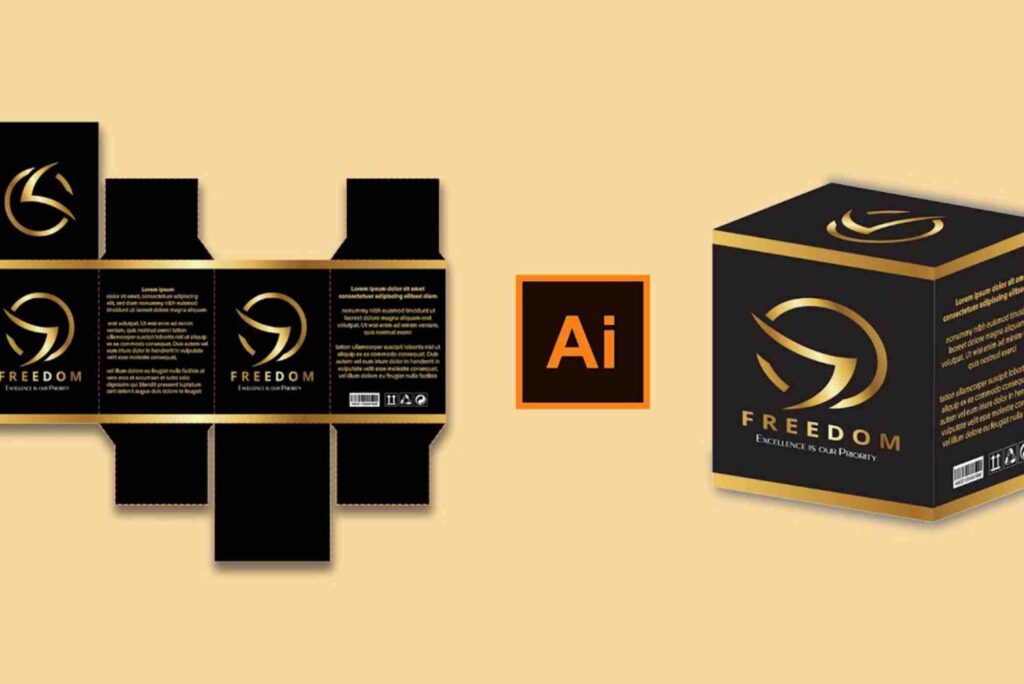
Introduction to Adobe Illustrator Packaging Design
Adobe Illustrator packaging design is one of the most powerful ways to bring a product’s identity to life. Whether you are designing boxes, labels, or flexible packaging, Illustrator offers precision, scalability, and professional-grade tools. In today’s competitive market, strong packaging is not optional—it is essential.
Interestingly, businesses from niche boutiques to fitness brands like Orangetheory Fitness in Mountain View understand the importance of visual branding. Packaging works in a similar way; it communicates value before the product is even touched. Therefore, mastering Adobe Illustrator packaging design can significantly elevate your brand presence.
Moreover, Illustrator’s vector-based environment ensures your designs remain sharp across all sizes. This makes it ideal for packaging, where dielines, typography, and colours accuracy must be flawless. Throughout this guide, you will learn practical techniques, real-world insights, and professional workflows.
Why Adobe Illustrator is Ideal for Packaging Design
Adobe Illustrator packaging design stands out because of its precision and flexibility. Unlike raster-based tools, Illustrator uses vectors, allowing you to scale designs without losing quality. This is crucial when working on packaging that may vary in size or format.
Additionally, Illustrator supports CMYK colours modes, ensuring accurate print results. This is particularly important when working with manufacturers who require print-ready files. You can also create dielines with exact measurements, making your packaging functional as well as visually appealing.
Furthermore, Illustrator integrates seamlessly with other Adobe tools like Photoshop and InDesign. This allows designers to combine photo editing, layout design, and vector illustration into one cohesive workflow. As a result, you can produce packaging that looks polished and professional.
Understanding Packaging Design Fundamentals
Before diving deeper into Adobe Illustrator packaging design, it is important to understand the fundamentals. Packaging is not just about aesthetics; it is about communication, usability, and brand storytelling.
A well-designed package should clearly convey what the product is, who it is for, and why it matters. For instance, minimal designs often communicate luxury, while bold colours suggest energy and excitement. This is why brands like Orangetheory Fitness use vibrant orange tones to evoke movement and vitality.
Equally important is structure. Packaging must protect the product while being easy to open and store. Illustrator allows you to design dielines that balance form and function effectively.
Setting Up Your Illustrator File for Packaging
When starting an Adobe Illustrator packaging design project, proper file setup is essential. Begin by setting your document to CMYK colours mode. This ensures accurate colours reproduction during printing.
Next, define your artboard size according to the packaging dimensions. Include bleed areas, typically 3mm, to avoid unwanted white edges after trimming. You should also organise layers clearly, separating artwork, dielines, and text.
Using guides and grids will help maintain alignment and consistency. Additionally, always name your layers properly. This makes it easier for printers and collaborators to understand your file.
Creating Dielines with Precision
Dielines are the blueprint of packaging design. In Adobe Illustrator packaging design, creating accurate dielines is a critical step. These lines indicate where the package will be cut, folded, or glued.
Use the pen tool and shape tools to draw precise outlines. It is best to place dielines on a separate layer and use spot colours for clarity. Many printers provide dieline templates, which you can import directly into Illustrator.
Moreover, always test your dielines by printing a mock-up. This ensures that your design fits perfectly and functions as intended. A small mistake in dielines can lead to costly production errors.
Typography and Branding in Packaging
Typography plays a vital role in Adobe Illustrator packaging design. It is not just about readability; it is about brand identity. The right font can convey trust, elegance, or playfulness.
Choose fonts that align with your brand values. For example, serif fonts often feel traditional, while sans-serif fonts appear modern. Consistency is key, so limit the number of fonts used.
Additionally, hierarchy is crucial. Important information such as product name and key benefits should stand out. Illustrator’s character and paragraph tools allow precise control over spacing, alignment, and styling.
Colours Theory and Visual Impact
Colours is one of the most powerful elements in packaging design. In Adobe Illustrator packaging design, selecting the right colours palette can influence consumer behaviour.
Warm colours like red and orange create excitement, while cool colours like blue suggest calmness and trust. This is why fitness brands often use energetic colours to motivate customers.
Illustrator provides tools such as the colours guide and swatches panel to help you experiment with palettes. Always test colours in print, as they may appear different from what you see on screen.
Adding Graphics and Illustrations
Graphics and illustrations enhance the storytelling aspect of packaging. Adobe Illustrator packaging design allows you to create custom illustrations that make your product unique.
Use vector shapes, gradients, and patterns to build visually engaging designs. You can also import artwork from other sources and refine it within Illustrator.
Consistency is important here as well. Your graphics should align with your brand’s overall style. Avoid clutter, as too many elements can confuse the viewer.
Preparing Files for Print
Preparing your files correctly is a crucial step in Adobe Illustrator packaging design. Once your design is complete, convert all text to outlines to avoid font issues.
Embed or link images properly and ensure they are high resolution. Double-check your colours settings and ensure all elements are within the bleed area.
Export your file as a print-ready PDF, following your printer’s specifications. Communication with your printer is essential to avoid errors and ensure the final product meets expectations.
Real-World Applications and Business Value
Adobe Illustrator packaging design is widely used across industries. From food and beverage to cosmetics and fitness, every product relies on packaging to attract customers.
If you are looking to create professional packaging, consider exploring Custom Packaging solutions that align with your design goals. This can help bridge the gap between design and production.
Additionally, staying updated with industry insights from resources like packaging design tips can keep your skills relevant and competitive. If you want to explore professional services locally, you can check the Buddy Packaging Location for expert assistance.
Common Mistakes to Avoid
Even experienced designers can make mistakes in Adobe Illustrator packaging design. One common issue is ignoring bleed and margin settings, which can ruin the final print.
Another mistake is using RGB colours instead of CMYK. This can lead to unexpected colours shifts. Overloading the design with too many elements is also problematic, as it reduces clarity.
Always review your design carefully and, if possible, get feedback from others. A fresh perspective can help identify issues you may have missed.
Future Trends in Packaging Design
The future of Adobe Illustrator packaging design is evolving rapidly. Sustainability is becoming a major focus, with brands opting for eco-friendly materials and minimal designs.
Digital integration is another trend, with QR codes and augmented reality enhancing user experience. Personalisation is also gaining popularity, allowing brands to connect with customers on a deeper level.
As technology advances, Illustrator continues to update its features, making it easier to adapt to these trends.
Elevate Your Packaging Design Skills
Adobe Illustrator packaging design is a valuable skill for any designer or business owner. It combines creativity with technical precision, allowing you to create packaging that stands out in a crowded market.
By understanding the fundamentals, mastering Illustrator tools, and staying updated with trends, you can produce designs that not only look great but also perform effectively. Whether you are designing for a small brand or a large company, the principles remain the same.
Now is the time to put your knowledge into action. Start experimenting, refine your techniques, and create packaging that truly represents your brand. If you need professional support, explore trusted resources and take your designs to the next level.
FAQs About Adobe Illustrator Packaging Design
What is Adobe Illustrator packaging design used for?
Adobe Illustrator packaging design is used to create product packaging such as boxes, labels, and pouches with precise, scalable vector graphics.
Is Illustrator better than Photoshop for packaging design?
Yes, Illustrator is better for packaging because it uses vectors, ensuring sharp and scalable designs, while Photoshop is raster-based.
How do I create a dieline in Illustrator?
You can create a dieline using shape tools and the pen tool, ensuring accurate measurements and placing it on a separate layer.
What colours mode should I use for packaging design?
Always use CMYK colours mode for packaging design to ensure accurate print results.
Can beginners learn packaging design in Illustrator?
Yes, beginners can learn Adobe Illustrator packaging design with practice, tutorials, and real-world projects.
Related Reading: Packaging Design Requirements
Related Reading: Dried Fruit Packaging Design — full guide
Related Reading: Drug Packaging Design — full guide