Introduction
3D printing is no longer just a futuristic concept—it’s a practical technology transforming industries like manufacturing, healthcare, architecture, and fashion. Enrolling in a 3d printing design course can open doors to exciting career opportunities while helping you develop valuable technical and creative skills. Whether you’re a beginner or a professional looking to upskill, this guide will walk you through everything you need to know.
What is a 3D Printing Design Course?
A 3d printing design course teaches you how to create digital models that can be transformed into physical objects using 3D printers. These courses typically combine design principles, software training, and hands-on experience.
Students learn how to design, prototype, and optimize models for printing using industry-standard tools. The focus is not just on creativity but also on functionality and manufacturability.
Why Choose a 3D Printing Design Course?
High Demand Skills
Industries worldwide are adopting additive manufacturing, increasing demand for skilled designers.
Creative Freedom
You can design anything—from prototypes to artistic creations—making it perfect for creative minds.
Career Opportunities
Graduates can work in engineering, product design, medical modeling, and even entrepreneurship.
Cost-Effective Prototyping
Companies prefer 3D printing for quick and affordable product development.
What Will You Learn in a 3D Printing Design Course?
Basics of 3D Modeling
You’ll start with understanding shapes, geometry, and digital design fundamentals.
Design Software Training
Courses often include tools like CAD software to build accurate and printable designs.
Material Knowledge
Learn about different printing materials such as PLA, ABS, and resin, and how they impact design.
Printer Settings and Techniques
Understand slicing, layering, and printer calibration for high-quality outputs.
Post-Processing Methods
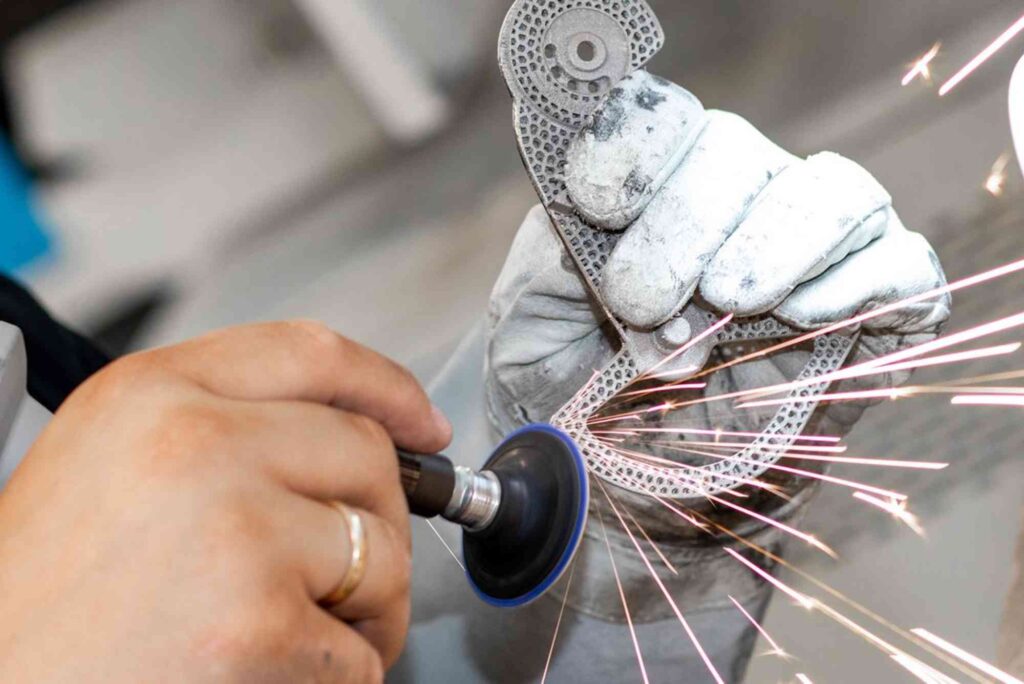
Finishing techniques like sanding, painting, and polishing to enhance final products.
Best Tools Used in 3D Printing Design
CAD Software
Programs like AutoCAD, Fusion 360, and Blender are commonly taught.
Slicing Software
Tools like Cura and PrusaSlicer prepare your design for printing.
3D Printers
Hands-on experience with FDM and SLA printers is often included.
Who Should Enroll in a 3D Printing Design Course?
Students and Beginners
Anyone interested in technology and design can start with basic courses.
Engineers and Designers
Professionals can enhance their skills and stay competitive.
Entrepreneurs
Create custom products and launch your own business.
Hobbyists
Turn your creative ideas into physical objects.
Applications of 3D Printing Design Skills
Product Development
Design prototypes quickly and efficiently.
Medical Field
Create prosthetics, implants, and anatomical models.
Architecture
Develop detailed building models and structures.
Custom Packaging Solutions
Businesses are now using 3D printing for unique packaging designs. If you’re exploring creative packaging ideas, check out Custom Packaging for inspiration.
Course Duration and Certification
A 3d printing design course can range from a few weeks to several months, depending on the depth of learning. Many institutions offer certifications that validate your skills and enhance your resume.
Online vs Offline Courses
Online Courses
Flexible, affordable, and accessible from anywhere.
Offline Courses
Provide hands-on experience and direct mentorship.
How to Choose the Right 3D Printing Design Course
Check Course Content
Ensure it covers both design and printing aspects.
Look for Practical Training
Hands-on experience is essential for mastering skills.
Instructor Expertise
Learn from experienced professionals in the field.
Reviews and Ratings
Check feedback from previous students.
For industry updates and expert-level print & finishing insights, staying connected with trusted platforms can greatly enhance your learning.
Real-World Learning and Experience
A quality 3d printing design course goes beyond theory. It includes real-world projects that help you build a strong portfolio. Visiting professional setups like Buddy Packaging Location can also give you practical exposure to how printing and packaging industries operate.
Career Opportunities After Completing a 3D Printing Design Course
3D Designer
Create digital models for various industries.
Product Developer
Work with companies to design and test products.
Additive Manufacturing Specialist
Focus on advanced printing technologies.
Entrepreneur
Launch your own 3D printing business.
Common Challenges in 3D Printing Design
Design Complexity
Creating printable designs requires technical knowledge.
Material Limitations
Not all designs work with every material.
Printer Calibration
Incorrect settings can lead to failed prints.
These challenges are addressed thoroughly in a structured 3d printing design course, helping you avoid common mistakes.
Future of 3D Printing Design
The future of 3D printing is incredibly promising. With advancements in materials and technology, industries are moving toward mass customisation and sustainable production. Learning through a 3d printing design course ensures you stay ahead in this evolving field.
FAQs
What qualifications are required for a 3D printing design course?
Most beginner courses require no prior experience. Basic computer knowledge is enough.
How long does it take to learn 3D printing design?
You can learn the basics in a few weeks, but mastering it may take several months.
Is 3D printing design a good career?
Yes, it offers high demand, good salary potential, and creative freedom.
Can I learn 3D printing design online?
Absolutely. Many high-quality courses are available online with practical projects.
Which software is best for beginners?
Tinkercad and Fusion 360 are beginner-friendly and widely used.
A 3d printing design course is a smart investment for anyone interested in technology, creativity, and innovation. It equips you with practical skills that are in high demand across multiple industries. From designing prototypes to launching your own products, the possibilities are endless.