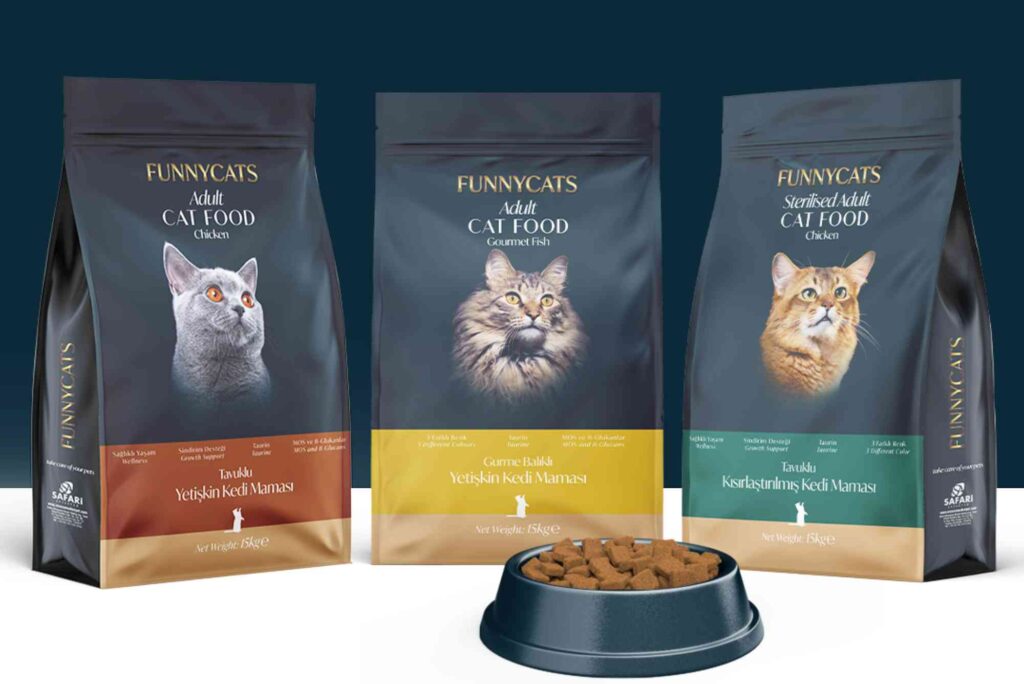
Cat food packaging design plays a vital role in how a product is perceived and purchased. In today’s competitive pet food market, packaging is no longer just a container. It is a powerful marketing tool that communicates brand values, ensures product safety, and influences buying decisions. A well-thought-out cat food packaging design can make the difference between a product being ignored or becoming a top choice for pet owners.
Introduction to Cat Food Packaging Design
When customers browse shelves or online stores, they often judge products within seconds. This is where cat food packaging design becomes crucial. It must grab attention quickly while conveying trust and quality. Pet owners want the best for their cats, so packaging should reflect care, nutrition, and reliability.
Moreover, modern consumers are more informed. They check ingredients, sustainability, and brand ethics. Therefore, effective cat food packaging design must balance aesthetics with functionality and transparency. By integrating creative visuals with clear messaging, brands can build lasting connections with their audience.
Why Cat Food Packaging Design Matters
Cat food packaging design influences both first impressions and long-term brand loyalty. Attractive packaging encourages customers to pick up the product. Meanwhile, practical design ensures convenience and usability.
Additionally, packaging serves as a silent salesperson. It communicates product benefits without needing explanation. Clear labelling, appealing colours, and engaging graphics all work together to tell a story. This storytelling aspect is essential in building emotional connections with pet owners.
Furthermore, cat food packaging design also impacts shelf visibility. With countless competing brands, standing out is essential. Unique shapes, bold typography, and distinctive colour schemes help products shine in crowded markets.
Key Elements of Effective Cat Food Packaging Design
Visual Appeal and Branding
Visual appeal is the first thing customers notice. Colours, images, and typography must align with the brand identity. For instance, natural tones often suggest organic or healthy ingredients. Bright colours may indicate fun or affordability.
Consistency in branding builds trust. Customers should recognise your product instantly. Therefore, logos, fonts, and design styles should remain uniform across all packaging formats.
Material and Durability
The material used in cat food packaging design is equally important. It must protect the food from moisture, air, and contamination. Durable packaging ensures freshness and extends shelf life.
Flexible pouches, cans, and resealable bags are common choices. Each has its advantages. For example, resealable packaging adds convenience for pet owners, making it a popular option.
Functionality and Convenience
Ease of use is a key factor in cat food packaging design. Pet owners prefer packaging that is easy to open, store, and reseal. Spillage and mess should be minimised.
Moreover, portability matters. Lightweight packaging is easier to carry and store. These small details significantly improve the overall user experience.
Clear Labelling and Information
Transparency builds trust. Cat food packaging design must include clear and accurate information. Ingredients, nutritional value, feeding guidelines, and expiration dates should be easy to read.
Additionally, certifications such as organic or grain-free labels can influence purchasing decisions. Clear communication helps customers make informed choices.
Trends in Modern Cat Food Packaging Design
The pet food industry is evolving rapidly, and cat food packaging design trends reflect these changes. One major trend is sustainability. Eco-friendly materials and recyclable packaging are gaining popularity. Consumers are increasingly concerned about environmental impact, and brands that adopt green solutions gain a competitive edge.
Another trend is minimalism. Clean and simple designs with fewer elements create a premium feel. This approach also improves readability and enhances brand perception.
Personalisation is also becoming popular. Some brands offer customised packaging tailored to specific cat breeds or dietary needs. This level of detail makes products feel more relevant and valuable.
Digital integration is another emerging trend. QR codes on packaging allow customers to access additional information, such as sourcing details or feeding tips. This enhances engagement and builds trust.
How to Create Impactful Cat Food Packaging Design
Creating effective cat food packaging design requires a strategic approach. It begins with understanding the target audience. Pet owners have different preferences based on age, income, and lifestyle. Designing with these factors in mind ensures relevance.
Next, focus on storytelling. Packaging should communicate the brand’s mission and values. Whether it is premium quality, natural ingredients, or affordability, the message must be clear.
Working with professionals can also make a significant difference. Companies offering Custom Packaging solutions help brands create unique and functional designs tailored to their needs. This ensures that the packaging stands out while meeting industry standards.
Additionally, staying updated with industry insights is essential. Exploring resources that provide packaging design tips can help refine your strategy and keep your designs competitive. Continuous learning leads to better results.
The Role of Sustainability in Cat Food Packaging Design
Sustainability is no longer optional. It is a key factor in modern cat food packaging design. Consumers prefer brands that prioritise eco-friendly practices. Using biodegradable or recyclable materials reduces environmental impact and enhances brand reputation.
Moreover, reducing excess packaging is important. Minimal packaging not only saves costs but also appeals to environmentally conscious buyers. Clear communication about sustainability efforts can further strengthen customer trust.
Brands that embrace sustainability often gain long-term loyalty. Customers are more likely to support businesses that align with their values.
Challenges in Cat Food Packaging Design
Despite its importance, cat food packaging design comes with challenges. Balancing aesthetics with functionality can be difficult. While attractive designs draw attention, they must also protect the product effectively.
Cost is another factor. High-quality materials and innovative designs can be expensive. Brands must find a balance between quality and affordability.
Regulatory requirements also play a role. Packaging must comply with food safety standards and labelling laws. Ensuring compliance while maintaining creativity requires careful planning.
Finally, competition is intense. Standing out in a crowded market demands continuous innovation and creativity.
Future of Cat Food Packaging Design
The future of cat food packaging design looks promising. Technology will continue to play a major role. Smart packaging solutions, such as freshness indicators, may become more common.
Sustainability will remain a top priority. Innovations in biodegradable materials and reusable packaging will shape the industry.
Additionally, branding will become more personalised. Data-driven insights will allow brands to tailor packaging to specific customer preferences. This level of customisation will enhance user experience and increase sales.
Conclusion
Cat food packaging design is more than just a visual element. It is a strategic tool that influences purchasing decisions, builds brand identity, and enhances customer experience. By focusing on aesthetics, functionality, and sustainability, brands can create packaging that stands out and delivers value.
As the market continues to evolve, staying updated with trends and consumer preferences is essential. Investing in high-quality cat food packaging design can lead to long-term success and customer loyalty.
If you want to elevate your brand, now is the time to focus on innovative packaging solutions. Explore professional services and stay informed with the latest strategies to create packaging that truly makes an impact.
FAQs
What is cat food packaging design?
Cat food packaging design refers to the creation of packaging that protects, markets, and presents cat food products effectively.
Why is packaging important for cat food?
Packaging ensures product safety, attracts customers, and communicates important information about the product.
What materials are used in cat food packaging design?
Common materials include plastic pouches, metal cans, and paper-based packaging, each offering different benefits.
How can I make my cat food packaging more attractive?
Use appealing colours, clear branding, and high-quality images while ensuring functionality and readability.
Is eco-friendly packaging important?
Yes, eco-friendly packaging is increasingly important as consumers prefer sustainable and environmentally responsible products.
Creative candy packaging design plays a vital role in attracting customers and building brand identity. A well-designed package not only protects the product but also enhances its visual appeal on shelves. Businesses looking to stand out can explore innovative solutions through Creative Candy Packaging Design at buddypackaging.co.uk where creativity meets quality to deliver eye-catching and functional packaging options tailored for modern markets.