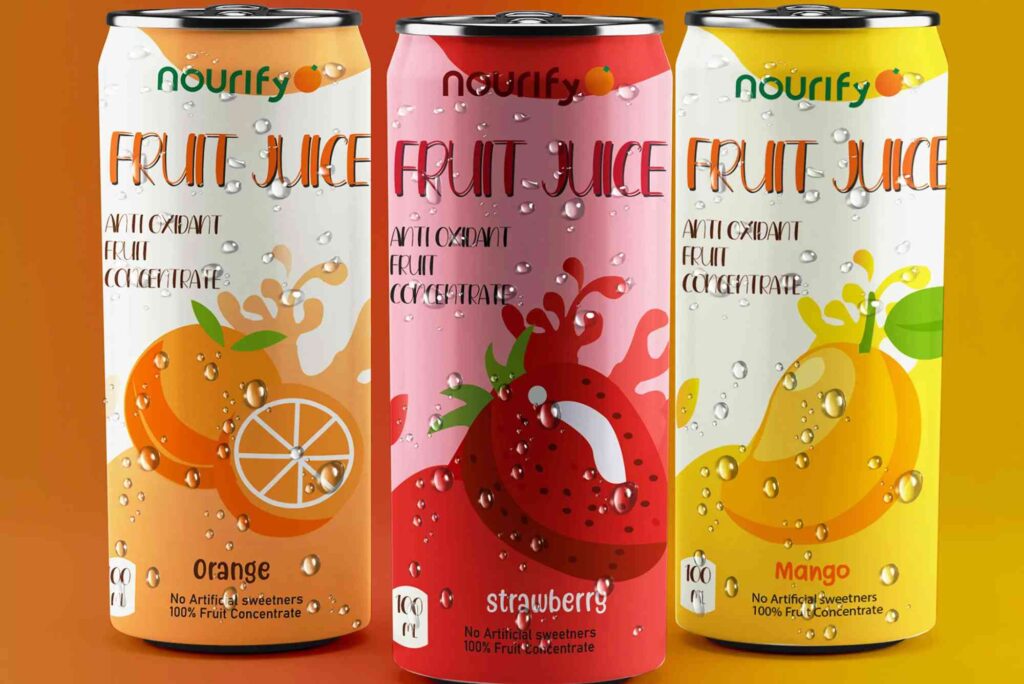
Can packaging design plays a vital role in how products attract, engage, and convert customers. In a competitive retail environment, a well-designed can does more than hold a product. It communicates brand identity, builds trust, and influences buying decisions within seconds. Whether you are launching a beverage, food item, or specialty product, investing in high-quality can packaging design is essential for success.
Introduction to Can Packaging Design
Can packaging design is the art and science of creating visually appealing and functional designs for metal containers. These designs combine branding, usability, and marketing strategies. A strong design ensures that the product stands out on shelves while delivering clear information to consumers.
Today’s consumers are drawn to packaging that feels modern, authentic, and environmentally responsible. As a result, businesses must balance creativity with practicality. From colours and typography to material finishes, every detail contributes to the overall perception of the product.
Why Can Packaging Design Matters
The importance of can packaging design cannot be overstated. It directly affects how customers perceive a brand. When shoppers browse shelves, they often make decisions within seconds. A unique and eye-catching design can make the difference between a product being picked up or ignored.
Moreover, can packaging design supports brand recognition. Consistent use of colours, logos, and visual elements helps customers remember your product. Over time, this builds trust and loyalty. Additionally, a well-designed can conveys professionalism and quality, which can justify premium pricing.
Key Elements of Effective Can Packaging Design
Visual Appeal and Branding
Visual appeal is the first thing customers notice. Colours should align with the brand identity and evoke the right emotions. For example, bold colours can signal energy, while softer tones suggest calmness or sophistication.
Typography also plays a crucial role. Clear, readable fonts ensure that customers can quickly understand the product. At the same time, creative typography can add personality and uniqueness.
Material and Finish
The material of the can influences both functionality and aesthetics. Aluminium cans are popular due to their durability and recyclability. Finishes such as matte, gloss, or textured coatings can enhance the overall look and feel.
A premium finish can make a product feel more valuable. For instance, embossed designs or metallic effects can create a luxurious impression.
Functionality and User Experience
While aesthetics are important, functionality should never be overlooked. The can must be easy to open, hold, and store. A good design ensures convenience for the user.
Ergonomics also matter. A comfortable grip and practical size improve the overall experience. When customers find a product easy to use, they are more likely to repurchase it.
Trends in Can Packaging Design
The world of can packaging design is constantly evolving. Staying updated with current trends can give brands a competitive edge.
Minimalist design is gaining popularity. Clean layouts with simple colours and clear messaging create a modern look. This approach helps products stand out in a cluttered market.
Sustainability is another major trend. Consumers prefer eco-friendly packaging. Using recyclable materials and reducing waste can improve brand perception and appeal to environmentally conscious buyers.
Personalisation is also becoming important. Limited edition designs or custom prints can create excitement and encourage repeat purchases.
The Role of Storytelling in Packaging
Storytelling is a powerful tool in can packaging design. A well-crafted design can tell a story about the brand, its values, or the product’s origin.
For example, a beverage brand might use imagery and text to highlight its natural ingredients or heritage. This creates an emotional connection with customers. When people feel connected to a brand, they are more likely to choose it over competitors.
How to Create a Winning Can Packaging Design
Creating an effective can packaging design requires a strategic approach. It begins with understanding your target audience. Knowing what appeals to your customers helps guide design decisions.
Next, focus on clarity. The product name, key features, and branding should be easy to read. Avoid overcrowding the design with too much information.
Consistency is also essential. Your can design should align with other branding elements such as your website and marketing materials. This ensures a cohesive brand identity.
If you are looking for tailored solutions, exploring Custom Packaging options can help you achieve a unique and professional look that matches your brand perfectly.
Importance of Packaging Design Inspiration
Finding the right direction for your design can be challenging. That is why seeking packaging design inspiration is crucial. Studying successful designs can provide valuable insights into what works and why.
Inspiration helps you identify trends, colour combinations, and layout ideas. However, it is important to use inspiration wisely. Rather than copying, focus on creating something original that reflects your brand identity.
Common Mistakes to Avoid
Many businesses make avoidable mistakes when designing their cans. One common issue is overcomplicating the design. Too many elements can confuse customers and dilute the message.
Another mistake is ignoring readability. Fancy fonts may look appealing but can be difficult to read. Always prioritise clarity.
Failing to consider the target audience is also a major error. A design that appeals to one group may not resonate with another. Understanding your audience ensures that your design communicates effectively.
The Impact of Colour Psychology
Colour psychology plays a significant role in can packaging design. Different colours evoke different emotions and associations.
For instance, red often represents energy and excitement, while blue conveys trust and reliability. Green is commonly associated with nature and sustainability.
Choosing the right colour palette can influence how customers perceive your product. It can also help differentiate your brand from competitors.
Sustainability in Can Packaging Design
Sustainability is no longer optional. It is a key factor in modern can packaging design. Consumers are increasingly aware of environmental issues and prefer brands that take responsibility.
Using recyclable materials such as aluminium is a step in the right direction. Additionally, reducing ink usage and opting for eco-friendly printing methods can further enhance sustainability.
Brands that prioritise sustainability not only help the environment but also build a positive reputation.
Future of Can Packaging Design
The future of can packaging design looks promising. Advancements in technology are opening new possibilities. Digital printing allows for more detailed and customised designs.
Smart packaging is another emerging trend. QR codes and interactive elements can provide additional information and enhance customer engagement.
As consumer preferences continue to evolve, brands must stay adaptable. Keeping up with trends and innovations ensures long-term success.
Conclusion
Can packaging design is a powerful tool that combines creativity, functionality, and strategy. It influences how customers perceive a product and plays a crucial role in purchasing decisions.
By focusing on visual appeal, usability, and sustainability, businesses can create designs that stand out in a crowded market. Investing in high-quality can packaging design is not just about aesthetics. It is about building a strong brand and connecting with customers.
If you want to elevate your product and boost sales, now is the time to refine your packaging strategy. Explore professional solutions and start creating designs that leave a lasting impression.
FAQs
What is can packaging design?
Can packaging design refers to the process of creating the visual and functional aspects of metal containers used for products.
Why is can packaging design important?
It helps attract customers, build brand identity, and influence purchasing decisions.
What materials are used in can packaging?
Aluminium is the most commonly used material due to its durability and recyclability.
How can I improve my can packaging design?
Focus on clarity, branding, functionality, and understanding your target audience.
What are current trends in can packaging design?
Minimalist designs, sustainability, and personalised packaging are popular trends.
Bad Packaging Design Examples highlight how poor choices in layout, materials, or usability can negatively impact a product’s success. From confusing labels to wasteful packaging, these mistakes frustrate customers and damage brand perception. Reviewing Bad Packaging Design Examples helps businesses understand what to avoid, ensuring their packaging is both practical and visually appealing while meeting consumer expectations.