Introduction
In today’s competitive fashion and craft market, branding is more important than ever. One of the simplest yet most powerful ways to elevate your products is through labels. Whether you are a clothing brand owner, Etsy seller, or hobbyist, understanding how custom fabric labels design your own process works can completely transform your product presentation.
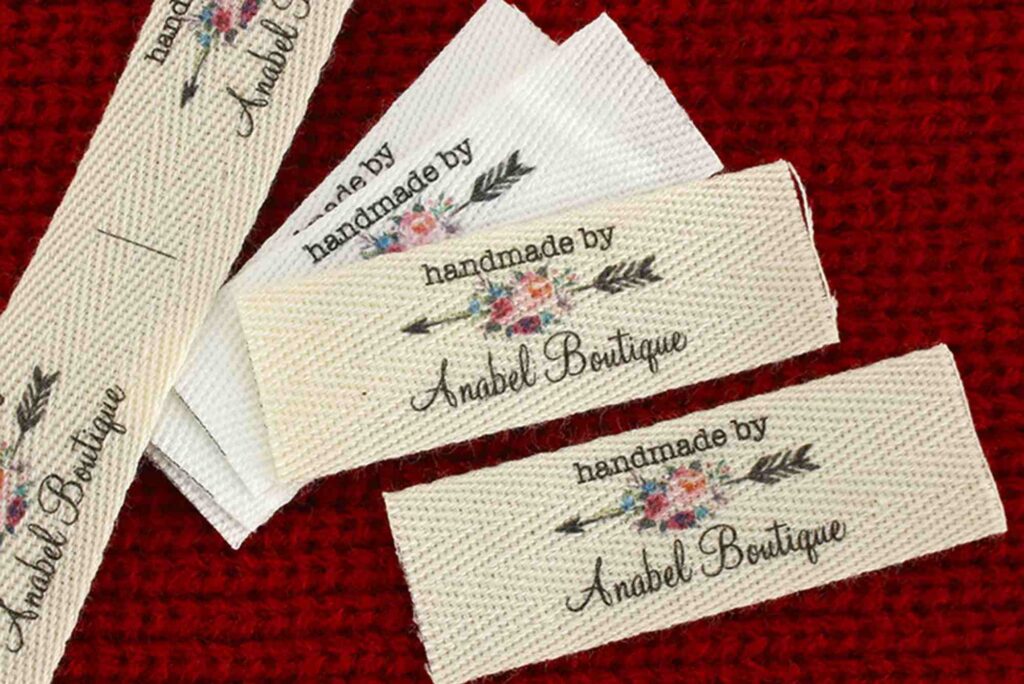
When you explore custom fabric labels design your own, you are not just choosing a name tag for your product. You are building identity, trust, and recognition. A well-designed fabric label communicates quality before the customer even touches the product. It tells a story about care, craftsmanship, and professionalism.
This guide will walk you through everything you need to know about designing your own fabric labels, from materials and design principles to printing techniques and finishing touches. You will also learn how to avoid common mistakes and create labels that stand out in a crowded market.
Understanding Custom Fabric Labels Design Your Own Process
When people search for custom fabric labels design your own, they are usually looking for a way to create personalised branding for textiles. This process involves selecting materials, choosing design elements, and deciding how the label will be attached to the fabric.
The idea behind custom fabric labels design your own is to give creators full control over branding. Instead of using generic tags, you can design labels that reflect your brand personality. This could be elegant minimalism, bold typography, or eco-friendly messaging.
Every detail matters, from font style to fabric texture. Even small choices influence how customers perceive your product quality.
Why Custom Fabric Labels Matter for Your Brand
A strong brand identity does not rely only on logos or packaging. Fabric labels are a silent but powerful branding tool. When you invest in custom fabric labels design your own, you increase product value instantly.
Customers often associate professionally labelled items with higher quality. Even a simple handmade item feels premium when it includes a well-designed label.
This is where Custom Labels solutions become essential. They help businesses create consistency across product lines. When every item carries a uniform label, it reinforces recognition and trust.
In addition, fabric labels help with practical information such as size, care instructions, and brand messaging. This combination of function and branding makes them a must-have for any serious creator.
Choosing the Right Materials for Fabric Labels
Material selection is one of the most important steps in custom fabric labels design your own process. The texture, durability, and flexibility of the material directly affect the final result.
Common fabric label materials include woven cotton, satin, polyester, and recycled blends. Each has its own advantages depending on the product type.
For example, woven labels are highly durable and ideal for clothing that goes through frequent washing. Satin labels offer a smooth finish and are often used in luxury or delicate garments. Eco-conscious brands may prefer recycled fabrics to align with sustainability values.
When you design your labels, always consider how they will feel against the skin and how they will hold up over time. Comfort and durability are just as important as visual appeal.
Design Principles for Custom Fabric Labels
The design stage is where custom fabric labels design your own truly comes to life. This is where creativity meets strategy.
A successful label design balances simplicity and clarity. Overcrowded designs can be difficult to read and may reduce brand impact. Instead, focus on clean typography and a strong visual hierarchy.
Colour choice is equally important. Neutral tones often convey elegance, while bold colours can create a modern and energetic feel. The key is to match your label design with your overall brand identity.
Typography should always be legible. Small labels require fonts that remain clear even at reduced sizes. Consistency in font style across all branding materials also strengthens recognition.
Printing and Production Techniques
Once your design is ready, the next step in custom fabric labels design your own process is production. There are several printing methods available depending on your budget and quality expectations.
Woven labels are created by weaving threads together, which makes them highly durable. Printed labels use ink-based techniques and allow for more detailed designs and colour variation.
Heat transfer labels are another option, often used for soft and seamless finishes. These are applied using heat and pressure, making them ideal for sportswear or children’s clothing.
Each method offers different benefits, and your choice should depend on your product type and brand positioning. This is where print & finishing insights become extremely valuable, helping you understand how different techniques affect final quality and durability.
Finishing Touches That Elevate Your Labels
Finishing is often the most overlooked part of custom fabric labels design your own, yet it can make a huge difference in presentation.
Edges can be folded, cut, or sealed depending on the desired look. Folded labels are commonly used in garments, while flat labels may be stitched onto accessories or packaging.
Thread colour and stitching style also matter. A contrasting stitch can highlight the label, while matching thread creates a seamless appearance.
Even small details like label placement influence customer perception. Inside necklines, hems, or side seams all offer different branding opportunities.
Where to Get Professional Label Support
While many creators design their own labels independently, professional support can significantly improve results. Working with experienced manufacturers ensures better quality control and production consistency.
Many businesses rely on specialised suppliers who understand both design and technical requirements. These experts can guide you through material selection, sizing, and production techniques.
If you are looking for reliable production guidance, platforms offering Buddy Packaging Location services can help connect you with trusted suppliers and packaging specialists. This ensures your custom fabric labels design your own journey is smooth and professional from start to finish.
Common Mistakes to Avoid in Label Design
Many beginners rush the design process and make avoidable mistakes. One common issue is using overly complex designs that lose clarity when scaled down.
Another mistake is ignoring fabric compatibility. Not all materials work well with every printing method, which can affect durability and appearance.
Poor font selection is also a frequent problem. Decorative fonts may look attractive on screen but become unreadable on small fabric labels.
When working on custom fabric labels design your own, always test samples before final production. This helps ensure that the final product matches your expectations.
The Role of Branding Consistency
Consistency is key in building a strong brand identity. When every product uses the same style of label, it creates a unified look across your entire collection.
This is where custom fabric labels design your own strategy becomes part of your long-term branding plan. It is not just about one product but about creating recognition over time.
Consistent use of colour, font, and logo placement ensures customers remember your brand. Over time, this builds loyalty and trust.
Creating professional fabric labels is one of the most effective ways to enhance your brand identity. When you invest time in custom fabric labels design your own, you are investing in long-term brand recognition and customer trust.
From material selection to finishing touches, every step plays a role in the final result. With the right approach, even small businesses can achieve premium-quality branding that stands out in the market.
Now is the perfect time to elevate your products. Start exploring design options, experiment with materials, and refine your branding strategy. Whether you are launching a new collection or upgrading an existing one, custom fabric labels can make a lasting impact.
Take the next step today and bring your brand vision to life with professional-quality labels that speak for your business.
buddypackaging.co.uk offers innovative and eco-friendly packaging solutions for businesses of all sizes. From custom boxes to sustainable materials, they help brands stand out while caring for the environment. Their expert team ensures high-quality, reliable, and stylish packaging that meets every need.
FAQs
What is meant by custom fabric labels design your own?
It refers to creating personalised labels for clothing or fabric products, allowing full control over design, material, and branding elements.
Which materials are best for fabric labels?
Common materials include woven cotton, satin, and polyester. The best choice depends on durability, comfort, and product type.
Can I design fabric labels without professional help?
Yes, many tools allow beginners to create labels. However, professional services ensure better quality and durability.
How long do custom fabric labels last?
High-quality labels can last the entire lifetime of a garment, especially woven or heat-resistant options.
Why are fabric labels important for branding?
They enhance product identity, build trust, and help customers recognise your brand easily.
How does print quality affect fabric labels?
High-quality printing ensures clarity, durability, and professional appearance, which improves overall brand perception.