Introduction
In today’s competitive market, creative product packaging design plays a powerful role in how customers see and remember a brand. Packaging is no longer only about protection. It is now a direct marketing tool that shapes first impressions, builds trust, and influences buying decisions. When a customer sees a product on a shelf or online, the packaging often speaks before the brand does.
A well-planned creative product packaging design combines beauty, function, and brand storytelling. It helps products stand out in crowded spaces while also communicating quality and value. From colour choices to typography and materials, every detail matters. Businesses that invest in smart packaging often enjoy better customer engagement, stronger brand recognition, and increased sales.
Whether you run a small online shop or a large retail brand, using Custom Packaging can turn ordinary boxes into memorable brand experiences. Thoughtful packaging gives customers a reason to return and even share their purchases on social media.
Why Creative Product Packaging Design Matters
The main purpose of creative product packaging design is to make products instantly attractive and easy to recognise. Customers often judge a product within seconds. During that short moment, packaging can create excitement, trust, or curiosity.
Good packaging supports your brand identity. It tells customers what your business stands for and what they should expect from the product inside. Premium finishes suggest luxury, while eco-friendly textures show sustainability and care.
Moreover, packaging directly affects customer emotions. A beautifully designed box creates anticipation before the product is even opened. This emotional connection often leads to repeat purchases and word-of-mouth recommendations.
Modern consumers also value presentation. Many buyers now share aesthetically pleasing packages online, giving brands free exposure. This is why brands often seek packaging design inspiration from industry-leading examples to create unique and shareable experiences.
The Core Elements of Creative Product Packaging Design
Successful creative product packaging design starts with a deep understanding of the product and the target audience. A luxury skincare item needs a very different design approach than a children’s snack product.
Brand Colours and Typography
Colours create instant emotional responses. Soft neutrals often suggest elegance, while bold shades create energy and excitement. Fonts also shape perception. Clean serif fonts can feel premium, while modern sans-serif fonts often look fresh and minimal.
The right balance between colours and typography makes the packaging look polished and professional. Consistency with your brand identity is essential.
Material Selection
The feel of the packaging is just as important as the look. Matte textures, embossed surfaces, kraft paper, or rigid boxes all create different experiences.
Many UK businesses now choose sustainable materials because eco-conscious buyers appreciate recyclable and reusable options. This adds both practical and emotional value to the packaging.
Shape and Structural Design
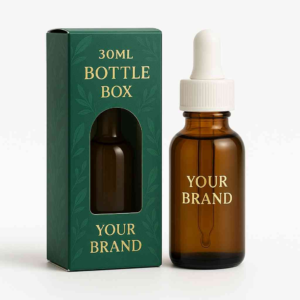
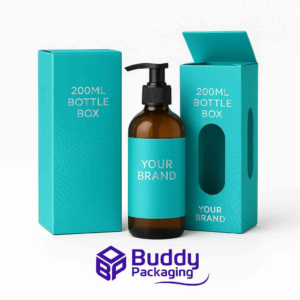
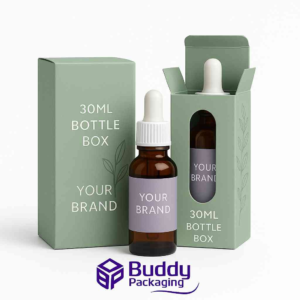
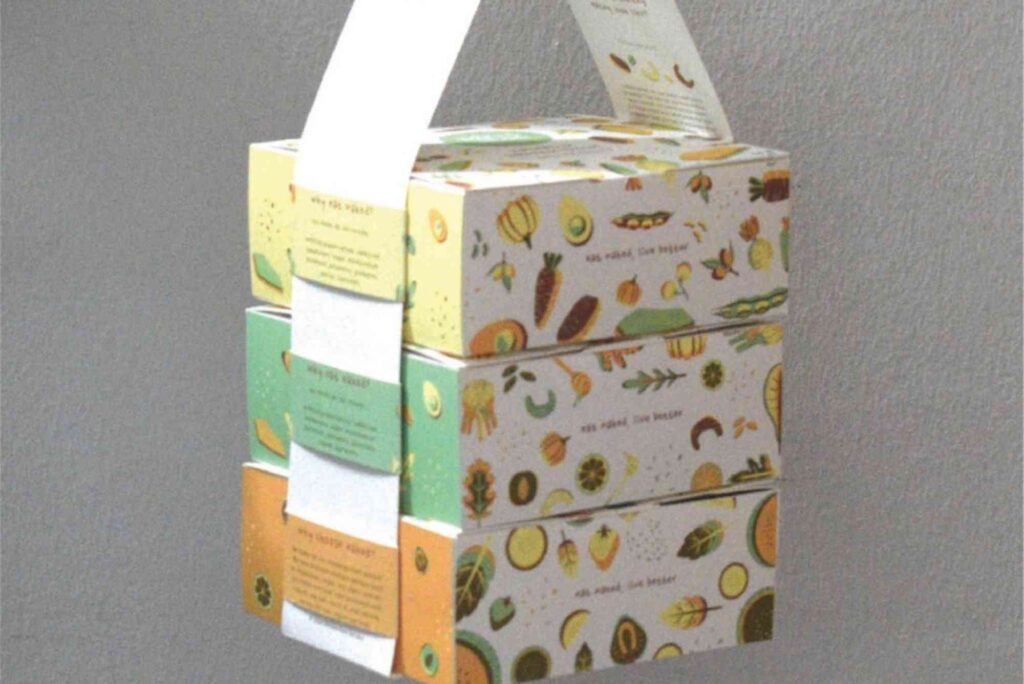
Unique shapes can instantly separate your product from competitors. Creative folding boxes, drawer-style packaging, magnetic closures, and window cut-outs all improve visual appeal.
Structural creativity is one of the strongest parts of creative product packaging design because it combines usability with brand personality.
How Packaging Influences Buying Decisions
A customer’s decision is often emotional before it becomes logical. This is where creative product packaging design has its biggest impact.
When packaging looks premium, customers assume the product quality is high. This perceived value can justify higher pricing and improve profit margins. Attractive packaging also reduces hesitation, especially in retail settings where multiple products compete side by side.
In e-commerce, packaging becomes part of the unboxing journey. A memorable unboxing moment increases customer satisfaction and encourages social sharing. This is especially effective for subscription boxes, cosmetics, fashion accessories, and gift products.
Brands that invest in packaging often notice stronger loyalty because customers associate the design with a positive overall experience.
Trends Shaping Creative Product Packaging Design in the UK
The UK market continues to embrace innovative packaging strategies. Businesses are focusing on designs that are visually striking while remaining environmentally responsible.
Minimalist Packaging
Minimalism remains one of the strongest trends. Clean layouts, simple fonts, and restrained colour palettes help products look elegant and trustworthy.
This style works particularly well for beauty, wellness, tech, and premium food brands.
Sustainable and Reusable Packaging
Sustainability is no longer optional. Consumers expect brands to reduce waste and use recyclable materials. Reusable boxes, biodegradable inserts, and soy-based inks all support modern expectations.
Combining sustainability with creative product packaging design helps brands connect with conscious buyers.
Personalised Packaging
Custom names, limited-edition artwork, seasonal designs, and thank-you notes make packaging feel exclusive. This creates stronger emotional engagement and encourages repeat business.
How to Create Packaging That Builds Brand Authority
Strong creative product packaging design starts with strategy, not decoration. The design should reflect the product promise and customer expectations.
First, understand the customer journey. Think about where they will first see the product and how they will interact with it. Retail packaging should prioritise visibility. Online packaging should focus on the unboxing experience.
Second, maintain visual consistency across all products. Consistent packaging builds trust and makes the brand easy to recognise.
Third, study successful competitors for packaging design inspiration, but always develop a distinct identity. Inspiration should guide creativity, not replace originality.
Common Mistakes to Avoid
Many brands overcomplicate packaging. Too many colours, fonts, or graphics can confuse buyers and reduce trust.
Another common mistake is ignoring functionality. Even the most beautiful creative product packaging design fails if the product is difficult to open or poorly protected.
Low-quality printing also damages brand credibility. Crisp printing, strong materials, and accurate colour reproduction are essential.
Finally, failing to match packaging with audience expectations can hurt performance. Packaging must feel relevant to the people buying the product.
Creative medicine packaging design blends safety, clarity, and brand appeal into one impactful presentation. It uses clean layouts, readable labels, color coding, and innovative structures to make pharmaceutical products more trustworthy and user-friendly. Thoughtful packaging not only protects the medicine but also improves customer confidence, supports compliance, and helps brands stand out in a competitive healthcare market.
FAQs
What makes creative product packaging design effective?
Effective creative product packaging design combines strong branding, practical usability, visual appeal, and customer-focused storytelling. It should attract attention while protecting the product.
How does packaging design affect sales?
Packaging strongly influences first impressions. Better packaging can increase trust, improve perceived value, and encourage impulse purchases.
What are the latest packaging trends in the UK?
Minimalist layouts, sustainable materials, and personalised unboxing experiences are currently leading trends in the UK market.
Where can I find packaging design inspiration?
You can explore brand case studies, packaging galleries, and competitor research to discover fresh packaging design inspiration for your products.
A strategic creative product packaging design approach does far more than improve appearance. It strengthens brand identity, shapes customer emotions, and supports long-term business growth. In a crowded marketplace, packaging often becomes the reason a customer chooses one product over another.