Introduction
Rigid box packaging design has become an essential strategy for brands aiming to elevate their product presentation and consumer experience. Unlike standard folding cartons, rigid boxes offer sturdiness, luxury appeal, and a long-lasting impression, making them a preferred choice for premium products.
What is Rigid Box Packaging Design?
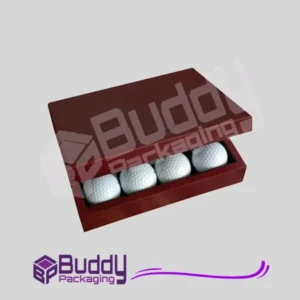
Rigid box packaging refers to boxes made from thick, high-quality paperboard or chipboard that retain their shape without the need for folds or creases. The design involves both structural and aesthetic elements to create a visually appealing, durable package.
Key Features of Rigid Boxes
- Durability: Their thick structure ensures the protection of contents during shipping and handling.
- Luxury Appeal: Smooth finishes, embossing, and metallic foils enhance visual attractiveness.
- Customisation: Custom printing and inserts allow brands to reflect their identity and values.
Benefits of Rigid Box Packaging Design
Designing rigid boxes isn’t just about aesthetics. They provide tangible advantages that impact brand perception, customer satisfaction, and product safety.
Enhancing Brand Identity
A well-designed rigid box can serve as a storytelling tool. Colours, textures, and logo placements convey brand personality and attract consumers. Investing in premium materials signals quality and sophistication.
Improving Product Protection
Rigid boxes are inherently strong and can be customised with inserts and dividers. This ensures fragile products remain intact during transit, reducing returns and increasing customer trust.
Eco-Friendly Options
Many rigid box designs now incorporate sustainable materials, allowing brands to appeal to environmentally conscious consumers without sacrificing style or durability.
Elements of an Effective Rigid Box Design
Creating an effective rigid box packaging design requires careful consideration of both functionality and visual appeal.
Material Selection
Choosing the right material is crucial. High-quality paperboard, coated boards, and recycled materials can influence both aesthetics and structural integrity.
Printing Techniques
Modern printing methods allow for vibrant colours and intricate details. Techniques like embossing, foil stamping, and spot UV can elevate the design further. For more insights, explore print & finishing insights.
Structural Design
The structure determines the box’s usability. Magnetic closures, lift-off lids, and drawer-style openings are popular choices that add a premium feel.
Custom Inserts
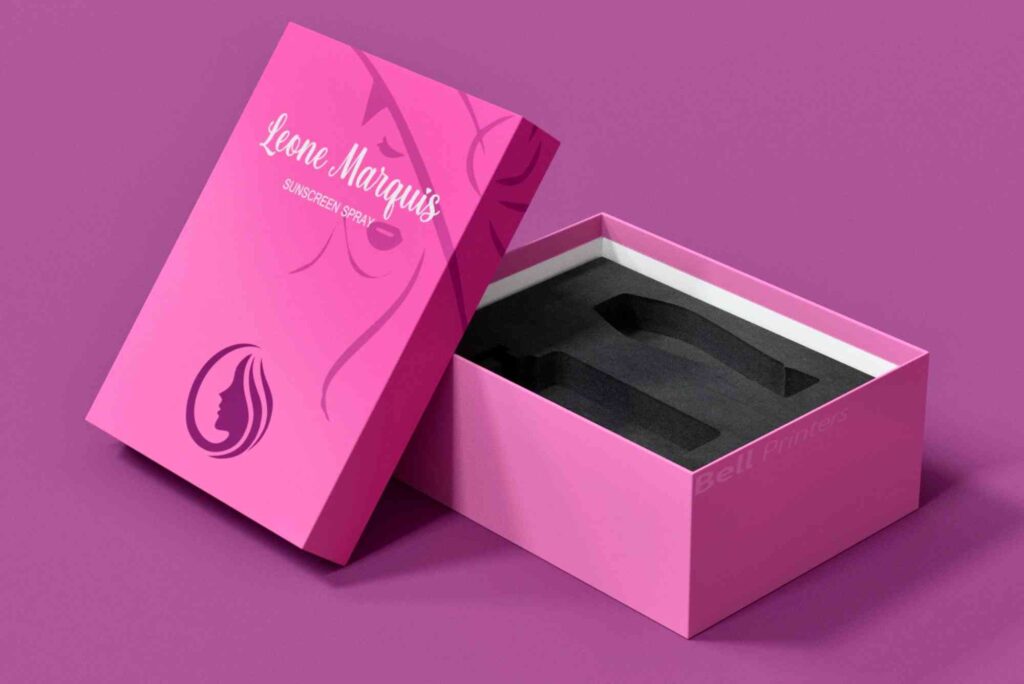
Inserts can be tailored to fit your product perfectly, adding protection and enhancing unboxing experience. This level of personalisation ensures each product feels unique.
Brand Messaging
Every element of the design should reinforce brand identity. Typography, colour schemes, and packaging copy collectively communicate the brand story.
Types of Rigid Box Packaging
Rigid boxes come in multiple styles to suit different products and industries.
Standard Rigid Boxes
These are simple, solid boxes with removable lids, commonly used for electronics, jewelry, and luxury goods.
Drawer Boxes
Drawer-style rigid boxes offer a sliding compartment for products. They enhance unboxing and are ideal for cosmetics or tech accessories.
Magnetic Closure Boxes
Boxes with magnetic closures provide a seamless, premium feel and are often used for gift packaging or high-end retail products.
Book-Style Boxes
Open like a book, these boxes are perfect for luxury apparel, premium chocolates, or corporate gifting, offering both elegance and functionality.
Designing for Customer Experience
The unboxing experience has become a crucial factor in consumer satisfaction. Rigid box packaging design should prioritize ease of use, aesthetics, and product protection.
Sensory Appeal
Consider tactile elements such as soft-touch coatings or textured finishes. High-quality printing and finishes stimulate visual appeal and tactile engagement.
Functional Design
Ensure that the box design allows for easy opening and closing. Inserts should secure the product without being difficult to remove.
Storytelling Elements
Include brand messaging and graphics that communicate your values or the product’s story. This emotional connection can lead to higher brand loyalty.
Steps to Create Rigid Box Packaging Design
Research and Conceptualization
Understand the target audience, product dimensions, and market trends to conceptualize a design that aligns with your brand.
Material and Printing Selection
Select durable and visually appealing materials, and choose printing techniques that highlight key elements of your design.
Prototyping
Create prototypes to test functionality, durability, and aesthetic appeal. This step allows adjustments before final production.
Production and Quality Control
Work with experienced manufacturers to ensure high-quality production. Conduct thorough inspections to maintain standards.
Launch and Marketing
Use packaging as part of your marketing strategy. Share unboxing videos or visuals on social media to enhance brand recognition. Brands seeking bespoke solutions can explore Custom Boxes for tailored designs.
Buddy Packaging Advantages
Selecting a reliable packaging partner is essential for executing an effective rigid box packaging design.
Expertise and Experience
Buddy Packaging offers comprehensive design support, ensuring your packaging aligns with brand identity while meeting durability standards.
Strategic Location
Conveniently located, Buddy Packaging Location provides easy access for clients to collaborate and review prototypes.
Comprehensive Solutions
From design to production, Buddy Packaging handles every step, including advanced print and finishing techniques to create high-end, durable rigid boxes.
Investing in rigid box packaging design goes beyond aesthetics; it strengthens brand identity, improves product protection, and enhances customer experience. By focusing on high-quality materials, innovative printing, and functional design, brands can create packaging that truly stands out. Start designing your premium packaging today with expert support to elevate your brand.
Explore the full range of Custom Boxes and elevate your product presentation with premium rigid box packaging.
FAQs
What is rigid box packaging design used for?
Rigid box packaging design is used for premium product packaging that requires durability, protection, and a luxury presentation.
How do I choose the right material for rigid boxes?
Consider factors like product weight, desired finish, durability, and sustainability. High-quality paperboard and coated boards are popular choices.
Can rigid boxes be customised?
Yes, rigid boxes can be customised with prints, colours, finishes, and inserts to match brand identity and enhance unboxing experience.
Are rigid boxes eco-friendly?
Many rigid boxes now use recycled or sustainably sourced materials, making them more environmentally friendly.
What printing techniques are best for rigid boxes?
Techniques like embossing, foil stamping, and spot UV printing enhance visual appeal and convey a premium feel.