Introduction
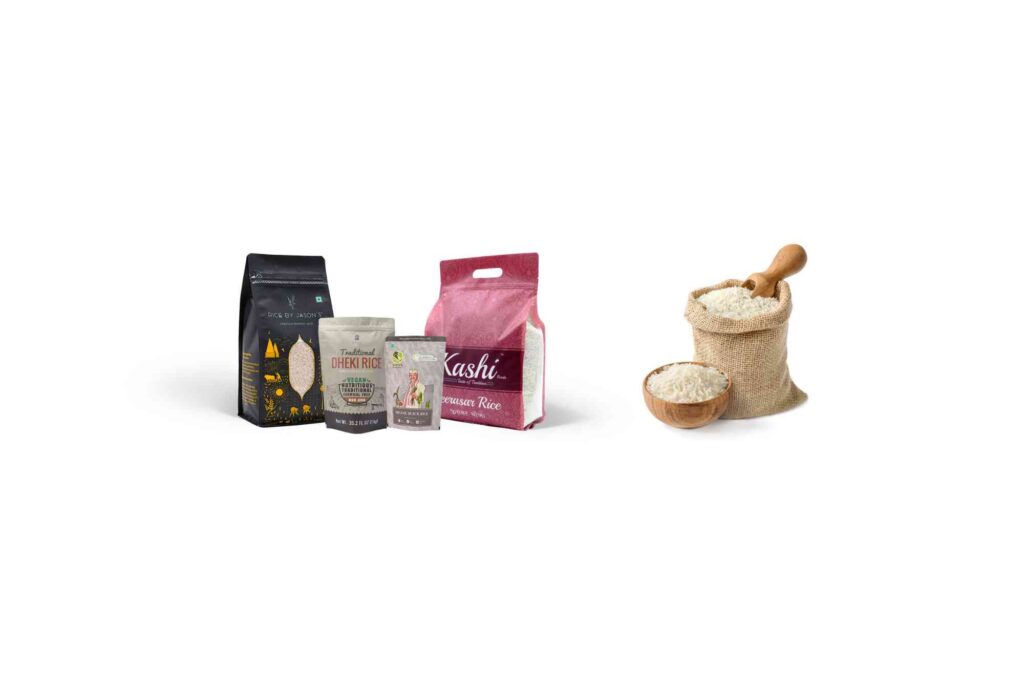
Basmati rice packaging design plays a crucial role in shaping how customers perceive quality and authenticity. In a competitive food market, packaging is often the first touchpoint between a brand and its audience. A well-crafted design not only protects the product but also communicates heritage, purity, and trust. For brands aiming to stand out, investing in thoughtful basmati rice packaging design is essential for both visual appeal and long-term success.
The global demand for basmati rice continues to grow, especially in markets where premium quality and origin matter. As a result, packaging must reflect both tradition and modern expectations. From elegant typography to eco-friendly materials, every element contributes to the overall brand story. Moreover, customers are increasingly drawn to packaging that feels authentic, informative, and visually appealing.
Understanding the Importance of Basmati Rice Packaging Design
Basmati rice packaging design is more than just a container; it is a marketing tool. It influences purchasing decisions within seconds. When customers walk through a supermarket aisle, they often choose products based on packaging alone. Therefore, brands must ensure their packaging conveys quality, freshness, and trustworthiness.
In addition, packaging helps protect the rice from moisture, pests, and contamination. High-quality materials ensure that the grains remain fresh during storage and transportation. At the same time, design elements such as colour schemes, logos, and imagery help differentiate one brand from another.
Key Elements of Effective Basmati Rice Packaging Design
Successful basmati rice packaging design relies on a combination of visual appeal and functionality. Firstly, the choice of material is vital. Durable packaging such as laminated bags or vacuum-sealed pouches helps preserve aroma and texture. Secondly, the colour palette plays a significant role. Traditional colours like gold, green, and white often symbolise purity and premium quality.
Typography also deserves attention. Clear and elegant fonts enhance readability and create a sense of sophistication. Meanwhile, imagery such as rice fields or cultural motifs can evoke authenticity and heritage. Brands often use transparent windows to allow customers to see the rice quality directly, which builds trust. Furthermore, incorporating brand storytelling into packaging design adds emotional value. Customers appreciate knowing the origin of the rice, the farming practices, and the brand’s commitment to quality.
Modern Trends in Basmati Rice Packaging Design
In recent years, basmati rice packaging design has evolved significantly. Sustainability is now a major focus. Many brands are shifting towards recyclable and biodegradable materials to reduce environmental impact. This approach not only benefits the planet but also appeals to environmentally conscious consumers.
Minimalist design is another growing trend. Clean layouts, simple colour schemes, and uncluttered visuals create a premium look. At the same time, digital printing technologies allow brands to experiment with unique patterns and textures.Smart packaging features are also gaining popularity. QR codes on packaging provide additional information about the product, such as origin, recipes, and certifications. This enhances customer engagement and builds transparency.
The Role of Branding in Basmati Rice Packaging Design
Branding is at the heart of effective basmati rice packaging design. A strong brand identity ensures consistency across all packaging formats. Logos, taglines, and brand colours should be easily recognisable and memorable. Moreover, packaging design should align with the brand’s target audience. Premium brands often use luxurious finishes such as matte textures or metallic accents. On the other hand, budget-friendly brands may focus on simplicity and practicality.
For businesses looking to enhance their packaging, exploring professional solutions like Custom Packaging can provide tailored designs that reflect brand identity and market needs. This approach ensures that packaging stands out while maintaining functionality.
Cultural Influence on Basmati Rice Packaging Design
Basmati rice has deep cultural roots, particularly in South Asia. Packaging design often reflects this heritage through traditional patterns, calligraphy, and imagery. These elements create a sense of authenticity and connect emotionally with consumers.
At the same time, global markets require a balance between tradition and modernity. Packaging should appeal to international audiences while preserving cultural identity. This balance is key to building trust and expanding market reach. Designers often draw inspiration from regional art, architecture, and landscapes. For those seeking creative ideas, exploring packaging design inspiration can provide valuable insights into current trends and innovative approaches.
Functionality and User Experience in Packaging
While aesthetics are important, functionality should never be overlooked in basmati rice packaging design. Easy-to-open seals, resealable zippers, and sturdy handles enhance user convenience. These features improve the overall customer experience and encourage repeat purchases.
Packaging should also be designed for efficient storage. Stackable and space-saving designs are particularly useful for both retailers and consumers. Clear labelling with cooking instructions and nutritional information adds further value. In addition, tamper-proof packaging ensures product safety. This is especially important for food items, as it builds trust and confidence among consumers.
Sustainability and Eco-Friendly Packaging Solutions
Sustainability has become a key consideration in basmati rice packaging design. Consumers are increasingly aware of environmental issues and prefer brands that adopt eco-friendly practices. As a result, many companies are using recyclable materials, reducing plastic usage, and opting for biodegradable options.
Paper-based packaging with protective linings is gaining popularity. It offers a balance between durability and sustainability. Similarly, reusable packaging solutions are being introduced to minimise waste. Brands that highlight their sustainability efforts on packaging often gain a competitive advantage. Clear messaging about eco-friendly practices can influence purchasing decisions and build brand loyalty.
Designing for Different Market Segments
Basmati rice packaging design varies depending on the target market. For premium segments, packaging often features elegant designs, high-quality materials, and detailed branding. These elements create a luxurious feel and justify higher pricing.
For mass-market products, affordability and practicality are key. Simple designs with clear information and durable materials are preferred. However, even budget-friendly packaging can benefit from thoughtful design choices that enhance visual appeal. Export markets may require additional considerations such as multilingual labelling and compliance with international regulations. Packaging should meet these requirements while maintaining brand identity.
The Impact of Packaging on Consumer Behaviour
Packaging design has a direct impact on consumer behaviour. Attractive packaging can capture attention and encourage impulse purchases. At the same time, informative packaging helps customers make informed decisions.
Trust is another important factor. Packaging that clearly displays quality certifications, origin, and nutritional information builds credibility. Customers are more likely to choose brands that appear transparent and reliable. Consistency across packaging also strengthens brand recognition. When customers can easily identify a brand, they are more likely to remain loyal.
Innovations in Basmati Rice Packaging Design
Innovation continues to shape the future of basmati rice packaging design. Advanced printing techniques allow for high-resolution graphics and unique textures. These innovations enhance visual appeal and create a premium experience.
Interactive packaging is another emerging trend. Augmented reality features enable customers to engage with the product in new ways. For example, scanning the packaging may reveal cooking tutorials or brand stories. Lightweight packaging solutions are also being developed to reduce transportation costs and environmental impact. These innovations demonstrate how design can balance aesthetics, functionality, and sustainability.
Choosing the Right Packaging Partner
Selecting the right packaging partner is essential for achieving high-quality results. A reliable provider can offer expertise in materials, design, and production. This ensures that packaging meets both aesthetic and functional requirements.
For businesses seeking professional support, exploring options like Buddy Packaging Location can help connect with experienced providers. Working with experts ensures that packaging aligns with brand goals and market demands.
Conclusion
By focusing on design elements, user experience, and environmental impact, brands can create packaging that stands out and resonates with consumers. Whether targeting local markets or global audiences, thoughtful packaging design can significantly enhance brand value. if you want to elevate your product and leave a lasting impression, now is the time to invest in professional basmati rice packaging design. Explore expert solutions and transform your packaging into a true brand asset.
Explore the latest trends in American Packaging Design to understand how creativity and functionality shape modern branding. From sustainable materials to eye-catching visuals, businesses are evolving fast. Learn more through this detailed guide on innovative packaging solutions and discover how smart design can boost product appeal and customer engagement.
FAQs
What is basmati rice packaging design?
Basmati rice packaging design refers to the visual and functional elements used to package basmati rice, including materials, colours, branding, and structure.
Why is packaging important for basmati rice?
Packaging protects the rice from damage and contamination. It also influences customer perception and purchasing decisions.
What materials are best for basmati rice packaging?
Common materials include laminated plastic, paper-based packaging, and vacuum-sealed pouches. These options help preserve freshness and quality.
How can packaging design increase sales?
Attractive and informative packaging captures attention, builds trust, and encourages customers to choose one brand over another.
Is eco-friendly packaging suitable for basmati rice?
Yes, eco-friendly packaging is becoming popular. It appeals to environmentally conscious consumers while maintaining product quality.
What trends are shaping basmati rice packaging design?
Key trends include sustainable materials, minimalist design, smart packaging features, and digital printing innovations.