Introduction
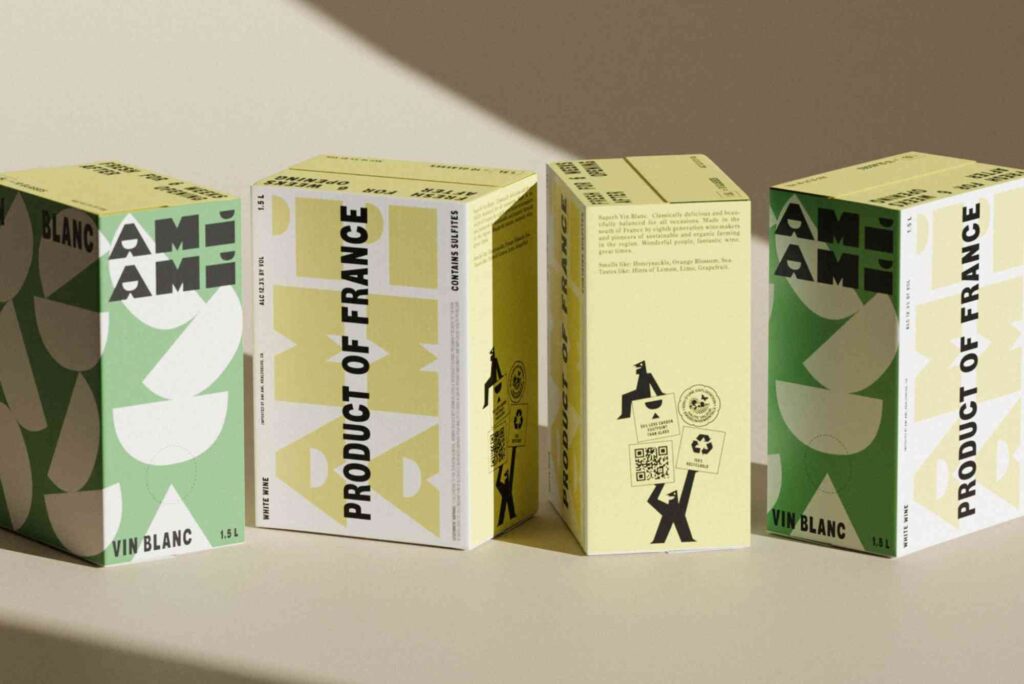
Wine packaging is more than just a protective container—it’s a critical part of your brand identity. A well-designed wine box can enhance the unboxing experience, communicate the quality of your wine, and even influence a customer’s purchase decision. In today’s competitive market, wine box packaging design is essential for wineries, retailers, and e-commerce brands who want to stand out.
This article explores the key principles, creative ideas, and practical tips to elevate your wine packaging, helping you combine aesthetics with functionality.
The Importance of Wine Box Packaging Design
Protecting the Wine
One of the primary roles of wine packaging is protection. Wine is delicate and sensitive to temperature changes, light, and movement. A sturdy, well-engineered box design safeguards bottles during shipping and storage, reducing breakage and maintaining quality.
Enhancing Brand Identity
A wine box is an extension of your brand. Luxury wines often use elegant materials like textured cardboard or wood finishes to convey sophistication, while playful or modern designs appeal to younger audiences. Thoughtful wine box packaging design communicates your brand story even before the bottle is opened.
Improving Customer Experience
Unboxing experiences have become a crucial factor in customer satisfaction. Packaging that feels premium or personalised can leave a lasting impression, encouraging repeat purchases and positive reviews.
Key Elements of Effective Wine Box Packaging Design
Material Selection
Choosing the right material is essential for both protection and aesthetics. Common options include:
- Corrugated cardboard: Durable and lightweight, ideal for shipping.
- Rigid boxes: Provide a luxury feel and strong protection.
- Eco-friendly materials: Recyclable or biodegradable materials appeal to environmentally conscious consumers.
Structural Design
The structure of the box affects both usability and safety. Consider:
- Insert trays: Keeps bottles secure and prevents movement.
- Magnetic closures: Add a premium touch while ensuring safety.
- Slide-out boxes: Enhances the unboxing experience and presentation.
Visual Design
The visual aspect of wine box packaging design helps your product stand out on shelves or online. Important factors include:
- Typography: Elegant fonts can convey sophistication.
- Colour palette: Colours can evoke emotions; dark tones often suggest luxury, while bright colours can attract attention.
- Graphics and illustrations: Unique artwork can communicate your wine’s origin, story, or flavor profile.
Branding and Logo Placement
Proper logo placement ensures brand recognition. Placing your logo on the lid, sides, or inserts keeps your branding consistent. Including subtle details, like embossed logos or metallic foil stamping, can elevate the perception of your wine.
Sustainability
Sustainability is increasingly important to consumers. Using recyclable materials, reducing unnecessary packaging, or designing boxes that can be reused demonstrates responsibility and can boost brand loyalty.
Creative Wine Box Packaging Ideas
Personalised Wine Boxes
Customising boxes with names, dates, or messages makes them ideal for gifts and events. Personalised wine boxes are highly shareable on social media, which can drive brand awareness.
Limited Edition Packaging
Releasing wines in limited edition boxes can create urgency and appeal to collectors. Using unique materials, textures, or special finishes adds exclusivity.
Innovative Shapes
Moving away from traditional rectangular boxes can differentiate your brand. Hexagonal, triangular, or custom-shaped boxes can make your wine packaging memorable.
Interactive Packaging
Adding interactive elements like pull-out compartments, hidden messages, or QR codes that link to your vineyard’s story enhances engagement and brand experience.
Tips for Designing the Perfect Wine Box
- Focus on balancing aesthetics and functionality.
- Use high-quality materials that reflect the brand’s value.
- Test structural integrity for shipping safety.
- Incorporate your brand’s story visually.
- Ensure the design is scalable for different bottle sizes.
- Explore box design tips to stay updated with current trends.
How Custom Boxes Can Elevate Your Wine Packaging
Custom boxes allow you to design wine packaging that perfectly fits your bottles while aligning with your branding strategy. They provide flexibility in materials, finishes, and graphics, ensuring that your wine stands out. For businesses looking to explore high-quality solutions, partnering with experts in Custom Boxes can make a significant difference.
Buddy Packaging Location
For brands interested in professional packaging solutions, Buddy Packaging Location offers convenient access to custom design and production services tailored to wine box packaging.
Wine box packaging design is more than an afterthought—it’s a strategic tool that enhances brand value, protects your product, and elevates customer experience. By focusing on material quality, structural integrity, visual appeal, and sustainability, you can create packaging that not only protects your wine but also tells your brand story.
FAQs
What materials are best for wine box packaging design?
Corrugated cardboard, rigid boxes, and eco-friendly materials are commonly used depending on the brand’s needs and budget.
How can wine box design enhance brand identity?
Through visual design, typography, logo placement, and material selection, packaging communicates the quality and story of your brand.
Are personalised wine boxes worth the investment?
Yes, personalised boxes increase customer engagement, make great gifts, and can boost repeat purchases.
What are some sustainable packaging options?
Recyclable cardboard, biodegradable inserts, and reusable boxes are popular eco-friendly choices.
Can custom wine boxes improve shipping safety?
Absolutely. Custom inserts, sturdy materials, and secure closures reduce the risk of bottle breakage during shipping.