Creative Medicine Packaging Design: Safe, Smart & Memorable
Creative medicine packaging design plays a critical role in modern healthcare branding and patient safety. It is no longer just about wrapping tablets or syrups in a box. Instead, it combines compliance, usability, branding, and trust into one carefully planned experience. In the UK healthcare and pharmaceutical market, packaging often shapes the first impression of a product.
When patients pick up medicine, they expect clarity, confidence, and ease of use. That is why creative medicine packaging design must balance innovation with responsibility. From child-resistant features to sustainable materials, every design decision affects both the brand and the user.
Brands that invest in smart packaging often improve customer trust and product recall. At the same time, they reduce misuse and enhance shelf appeal. Many healthcare brands now apply Custom Packaging solutions to create distinctive and regulation-friendly designs that stand out in pharmacies and online stores.
Why Creative Medicine Packaging Design Matters
In healthcare, packaging is far more than visual branding. It directly influences patient behaviour and product credibility. A well-designed medicine box can guide the user clearly and reduce dosage mistakes.
Creative medicine packaging design improves the user journey in several ways. It supports readability, makes product identification faster, and creates emotional reassurance. This is especially important for elderly users, parents, and people managing multiple prescriptions.
Good design also strengthens brand recognition. Patients are more likely to trust medicine that looks professional and easy to understand. In crowded retail environments, clean layouts and distinctive colour systems help products stand apart.
Moreover, pharmaceutical companies use creative medicine packaging design to communicate dosage instructions, expiry dates, warnings, and storage conditions without confusion.
The Core Elements of Effective Medicine Packaging
Clear Typography and Readability
Typography is one of the most important parts of creative medicine packaging design. Small or confusing text can lead to serious user errors.
Use high-contrast fonts with enough spacing. Important instructions should always be visible at first glance. Bold type works well for dosage details, while secondary text can explain ingredients and side effects.
This approach improves accessibility and supports users with visual challenges.
Functional Structure and Protection
Medicine packaging must protect the product from moisture, heat, contamination, and physical damage. However, creative design can still thrive within these technical limits.
Blister packs, tamper-proof seals, and secure folding cartons all contribute to safety. The outer structure should also be easy to open without damaging the contents.
Many designers follow expert packaging design tips to combine structural integrity with strong visual communication.
Smart Colour Psychology
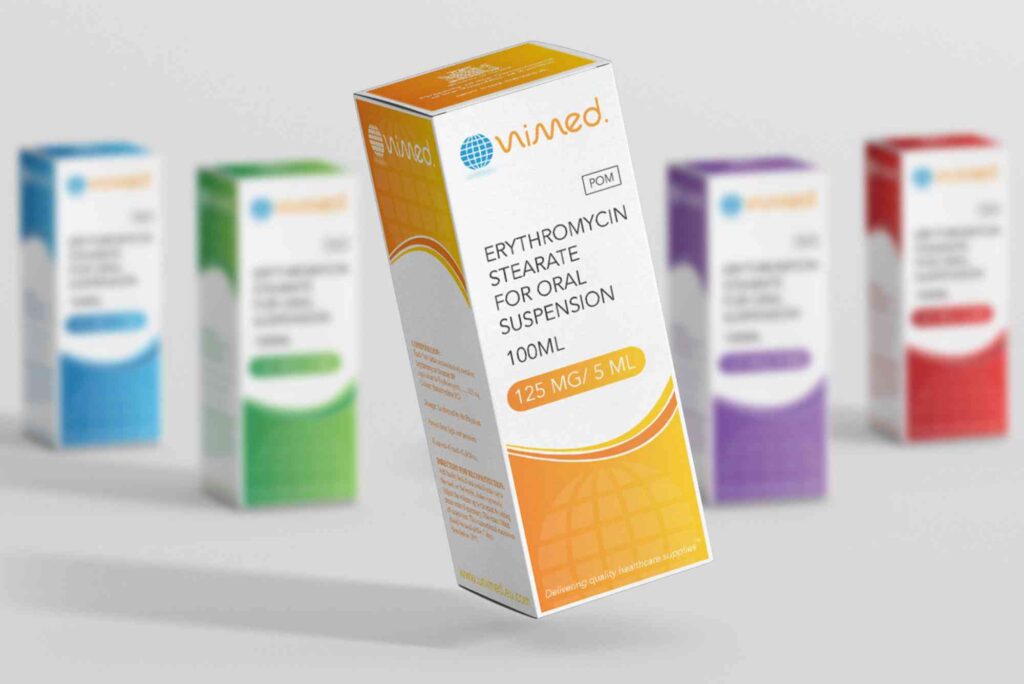
Colour influences trust and product differentiation. Blue often signals calmness and trust. Green suggests natural wellness. Red may indicate strength or urgent relief.
In creative medicine packaging design, colour coding also helps users distinguish products quickly. This becomes valuable for medicine ranges with different strengths or purposes.
Balancing Creativity with Compliance
One of the biggest challenges in creative medicine packaging design is staying compliant with health regulations.
In the UK, packaging must meet strict rules around labelling, dosage instructions, ingredient disclosure, and barcode traceability. Creative freedom should never reduce legal clarity.
The best packaging designers work closely with regulatory experts. They ensure the brand identity remains attractive while all legal text stays visible and correctly positioned.
This balance creates packaging that feels premium without risking patient safety.
User-Centred Design in Pharmaceutical Packaging
Modern healthcare brands increasingly focus on human-centred experiences. Creative medicine packaging design should solve real patient problems.
For example, arthritis-friendly opening tabs can help elderly users. Braille text can improve accessibility. Easy-tear sachets may support fast daily use.
When design begins with user pain points, packaging becomes more effective and memorable.
This practical mindset also aligns with E-E-A-T principles because it reflects real-world expertise and patient-focused thinking.
Sustainable Creative Medicine Packaging Design
Sustainability now shapes the future of packaging across all sectors, including pharmaceuticals.
Many UK brands are moving towards recyclable cartons, soy-based inks, and reduced plastic inserts. Sustainable creative medicine packaging design can lower waste while maintaining sterility and compliance.
Minimalist designs also reduce material usage. Smaller cartons and smarter inserts improve shipping efficiency and storage.
Eco-friendly choices can strengthen brand perception, especially among health-conscious consumers who value ethical packaging.
Branding Strategies That Build Trust
Healthcare branding requires a careful tone. Unlike cosmetics or food, medicine packaging must inspire reassurance rather than impulse.
Creative medicine packaging design achieves this through clean layouts, soft professional colours, and consistent product hierarchy.
Brand elements such as logos, trust badges, certification marks, and subtle icon systems can improve perceived reliability.
When every product in a medicine line follows a consistent system, users gain confidence in the brand.
Digital Trends in Medicine Packaging
Technology is transforming creative medicine packaging design in exciting ways.
QR codes now connect patients to dosage videos, multilingual instructions, and refill reminders. NFC-enabled labels support anti-counterfeit verification.
Some advanced medicine brands even use temperature-sensitive indicators for sensitive products.
These digital layers create smarter packaging experiences while improving trust and convenience.
Common Mistakes to Avoid
Creative medicine packaging design can fail when aesthetics overpower usability.
One common issue is prioritising branding over readability. Another is poor hierarchy between dosage details and promotional copy.
Using too many colours can also confuse patients. Likewise, weak structural materials may compromise safety during transport.
The best design process tests packaging with real users before launch.
Cream packaging design plays a vital role in attracting customers and building trust in skincare and cosmetic brands. A well-crafted package not only protects the product but also reflects quality, elegance, and brand identity. From minimalist jars to eco-friendly boxes, modern cream packaging design combines style with functionality, helping products stand out on shelves while creating a memorable first impression that encourages buyers to choose your brand.
FAQs
What makes medicine packaging effective?
Effective medicine packaging combines safety, clear instructions, compliance, and easy usability. Creative medicine packaging design adds branding without sacrificing readability.
Why is packaging important in pharmaceuticals?
Packaging protects the medicine, prevents misuse, and helps patients follow correct dosage instructions. It also builds trust in the brand.
How can medicine packaging be eco-friendly?
Brands can use recyclable board, reduced plastics, water-based inks, and minimal structural waste while still meeting health standards.
What colours work best for medicine packaging?
Blue, green, and white are popular because they suggest cleanliness, trust, and wellness. However, colours should also support product differentiation.
Creative medicine packaging design is where healthcare safety meets brand innovation. It influences trust, compliance, patient confidence, and long-term brand loyalty.
The most successful designs stay simple, readable, protective, and emotionally reassuring. At the same time, they embrace sustainability and digital functionality.
If your healthcare brand wants stronger shelf impact and better patient experience, now is the perfect time to invest in creative medicine packaging design that truly performs.