Introduction
Frozen food packaging design plays a crucial role in attracting consumers and maintaining product quality. In a competitive market, the visual appeal and functionality of packaging can directly influence buying decisions. From protecting the food to conveying brand identity, an effective design merges practicality with creativity. Understanding the principles behind frozen food packaging can help brands stand out and meet consumer expectations.
Why Frozen Food Packaging Design Matters
Preserving Product Quality
Frozen foods require packaging that maintains freshness and prevents contamination. Proper materials, such as insulated films or durable plastics, ensure that the food remains safe during transport and storage. Packaging must resist temperature changes and moisture, reducing the risk of freezer burn and extending shelf life.
Enhancing Brand Visibility
Packaging is the first interaction a consumer has with a product. Creative designs, bold colours, and clear branding can capture attention on crowded supermarket shelves. High-quality visuals, combined with readable fonts, help consumers quickly identify the product and brand.
Meeting Consumer Convenience Needs
Modern consumers value convenience. Packaging that is easy to open, resealable, and portion-friendly increases customer satisfaction. Including cooking instructions or microwave-friendly packaging demonstrates consideration for the user, improving their overall experience.
Key Elements of Effective Frozen Food Packaging Design
Material Selection
The choice of material affects both preservation and sustainability. Options like recyclable plastics, biodegradable films, and laminated boards balance durability with eco-consciousness. Understanding the interaction between packaging materials and frozen foods is essential to maintain freshness and quality.
Visual Appeal and Branding
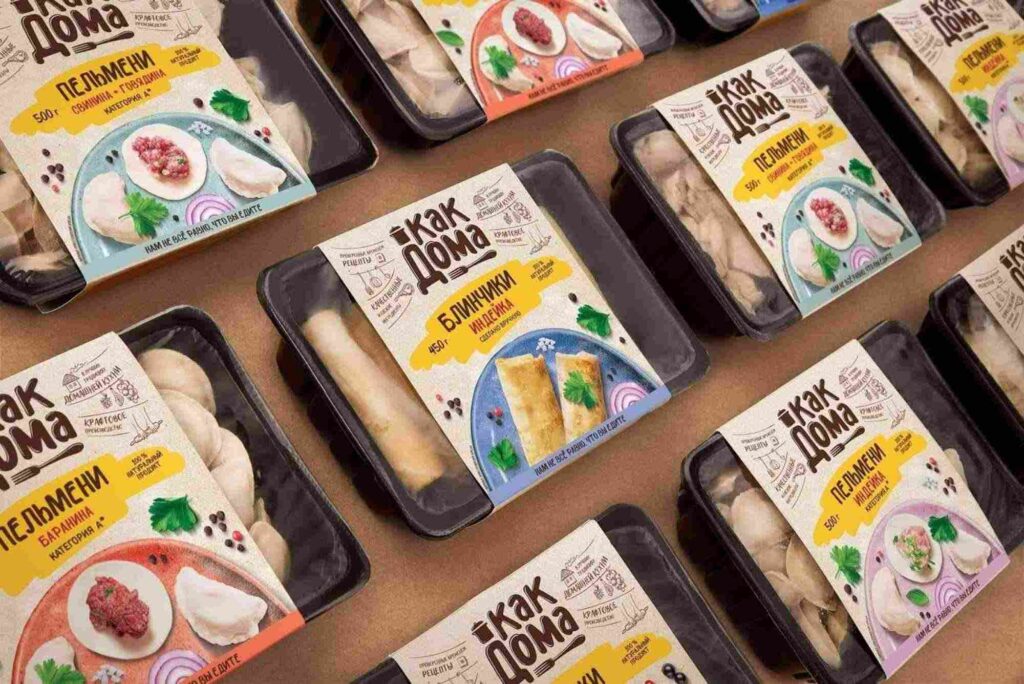
Design should reflect the product’s identity while standing out on shelves. Using vibrant imagery, clear typography, and consistent brand colours strengthens recognition. Effective design also communicates the product type and flavour, guiding consumer choices.
Functional Features
Functionality is vital in frozen food packaging. Features like resealable zippers, portion control trays, and transparent windows add value. Convenience-driven design reduces waste and encourages repeat purchases.
Sustainability Considerations
Consumers increasingly prioritise environmentally responsible packaging. Incorporating recyclable materials, minimal plastic usage, or compostable options enhances brand image. Sustainable packaging also appeals to eco-conscious shoppers, adding a competitive advantage.
Packaging Trends in the Frozen Food Industry
Minimalist and Clean Design
Minimalist packaging communicates sophistication and transparency. Using fewer graphics and simpler layouts allows the product itself to take centre stage. This approach can also highlight the quality and freshness of the ingredients.
Interactive and Informative Packaging
Including QR codes, cooking guides, or storytelling elements can engage customers. Informative packaging helps consumers feel confident about the product while enhancing the brand experience.
Bold Colours and Visual Differentiation
Distinctive colours and imagery create shelf impact. Frozen foods often use bright colours to evoke freshness and flavour. Differentiating packaging visually helps capture attention and reinforces brand identity.
Emphasis on Eco-Friendly Materials
Sustainable packaging remains a strong trend. Brands using eco-conscious materials gain consumer trust while meeting regulatory standards. Sustainability initiatives can be highlighted on packaging to enhance brand credibility.
Designing Packaging for Different Frozen Food Types
Vegetables and Fruits
Packaging should prioritise visibility and freshness. Transparent windows or vibrant photography can showcase the natural appeal of the product. Using resealable bags adds convenience for consumers.
Ready Meals
Functionality is critical for ready meals. Portion-sized trays, microwave-safe containers, and clear cooking instructions improve usability. Branding should communicate both taste and convenience.
Meat and Seafood
These products demand high-barrier packaging to maintain freshness. Vacuum-sealed pouches or laminated trays prevent contamination and freezer burn. Clear labels showing weight, origin, and preparation tips build trust.
Bakery and Snacks
For frozen bakery items, packaging should combine visual appeal with protective materials. Clear imagery of the finished product can entice buyers, while sturdy packaging ensures the items remain intact.
Internal and External Design Resources
Collaborating with experts can enhance your frozen food packaging design. Custom Packaging specialists provide tailored solutions for unique products, ensuring both functional and visual excellence. Following packaging design tips from industry leaders helps stay ahead of trends and meet consumer expectations. Researching packaging innovations at Buddy Packaging Location can also offer insights into new materials and techniques.
Frozen food packaging design is more than just a wrapper; it is a vital tool for brand communication, product protection, and consumer engagement. Balancing visual appeal, functionality, and sustainability ensures a design that resonates with shoppers. Investing in thoughtful packaging can increase sales, improve brand recognition, and create a memorable customer experience.
Explore professional design services to elevate your product’s shelf presence and ensure long-term success. Start reimagining your frozen food packaging today to stand out in a competitive market.
buddypackaging.co.uk offers innovative and eco-friendly packaging solutions for businesses of all sizes. From custom boxes to sustainable materials, they help brands stand out while caring for the environment. Their expert team ensures high-quality, reliable, and stylish packaging that meets every need.
FAQ
What is the best material for frozen food packaging?
High-barrier plastics, laminated films, and insulated trays are ideal for preserving freshness and preventing freezer burn.
How can I make frozen food packaging more attractive?
Use bold colours, clear imagery, readable fonts, and consistent branding to create shelf impact and draw consumer attention.
Are eco-friendly packaging options available for frozen foods?
Yes, recyclable plastics, biodegradable films, and compostable boards are increasingly used in the industry to meet sustainability standards.
How does frozen food packaging affect sales?
Visually appealing, functional packaging boosts brand recognition, consumer trust, and repeat purchases, directly impacting sales.
Can frozen food packaging include convenience features?
Absolutely. Buddy Packaging Location Resealable pouches, portion control trays, and clear cooking instructions enhance usability and customer satisfaction.